
Why Fall Nails Chip So Fast and How to Make Your Manicure Last

There is a particular kind of disappointment in a manicure that looks perfect on Sunday and starts chipping by Wednesday. Fall makes it worse: the air turns dry, the heating comes on, and the nail plate loses moisture faster than it can be replaced. As the nail flexes and shrinks, the seal between polish and nail loosens, and from there every coat pocket, keyboard edge and tote bag seam does a little more damage. The chip that shows up mid-morning usually started hours earlier, somewhere the hands were not even being watched.
The good news is that most of this is preventable, and it has very little to do with buying a more expensive polish. A lasting fall manicure comes down to five things: how the nail is prepared, which finish is chosen, what shape the nail is filed into, what happens at the salon, and how the manicure is looked after at home. Get those five right and the same polish can easily last a full week longer.
1. Start With a Properly Prepped Nail Plate
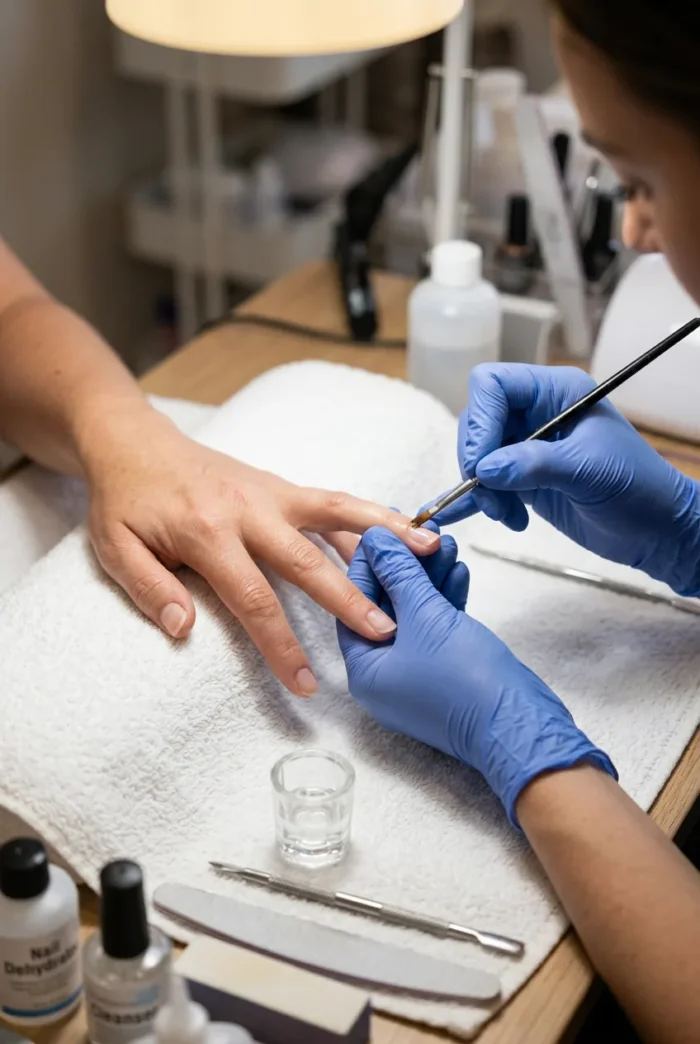
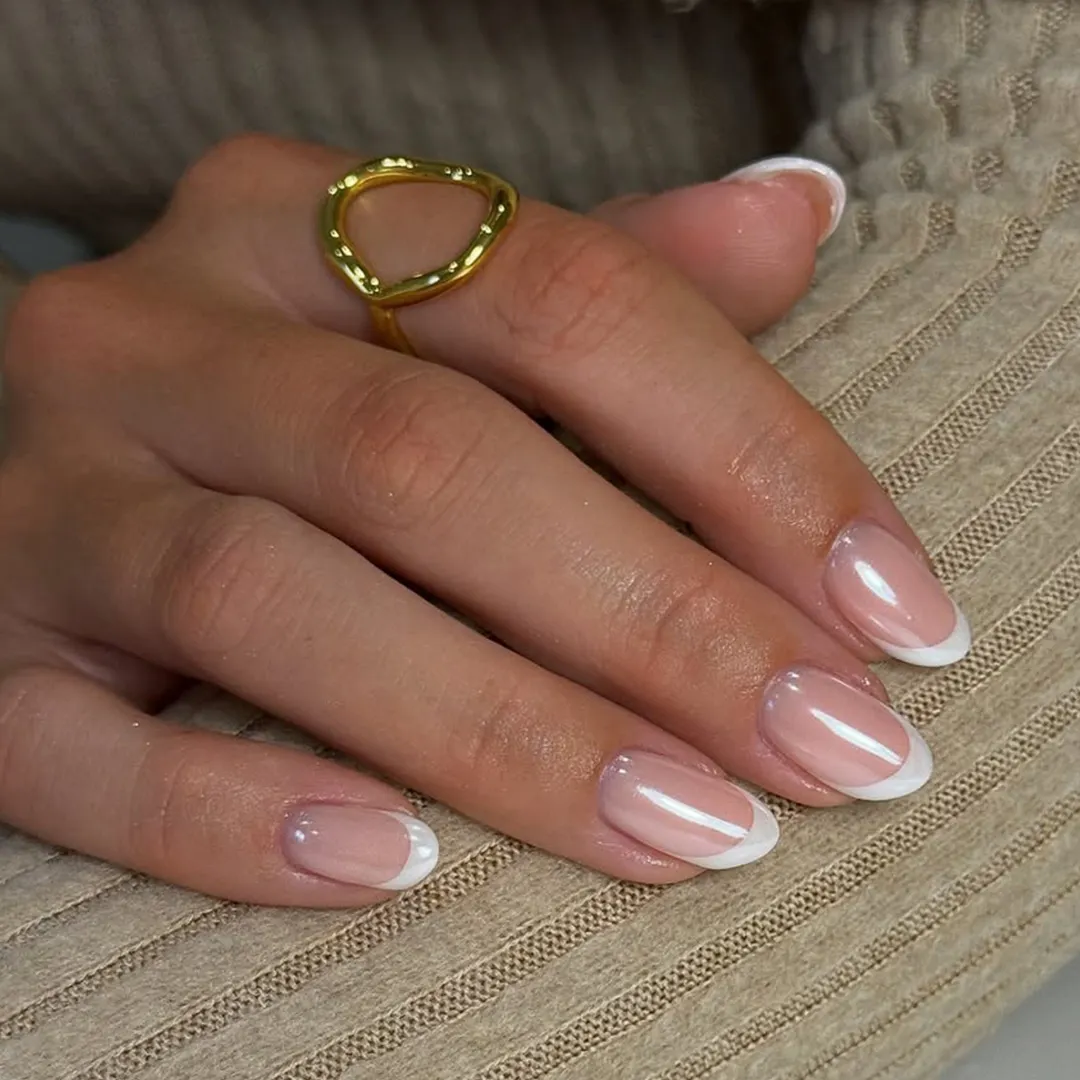
Photo via The Nail Drop
Polish chips fastest when it is asked to grip a surface that is not clean. Even nails that look completely bare carry a thin film of hand cream, cooking oil or conditioner residue, and soap and water will not remove it — soap often leaves its own moisturisers behind. A wipe over the whole plate with pure acetone on a lint-free pad, paying attention to the corners near the sidewalls, gives the polish a genuinely clean surface to hold onto.
Moisture is the second hidden problem. Nails are porous, so they swell slightly when wet and shrink as they dry, flexing just enough to crack whatever sits on top. A nail dehydrator, or a second pass with rubbing alcohol, pulls that hidden water out; when the nail looks chalky and matte after about thirty seconds, the surface is ready. A light buff to remove shine, plus a thin line of base coat run along the free edge and tucked slightly underneath, seals the edges where peeling almost always begins.
2. Pick the Finish That Fits Your Week
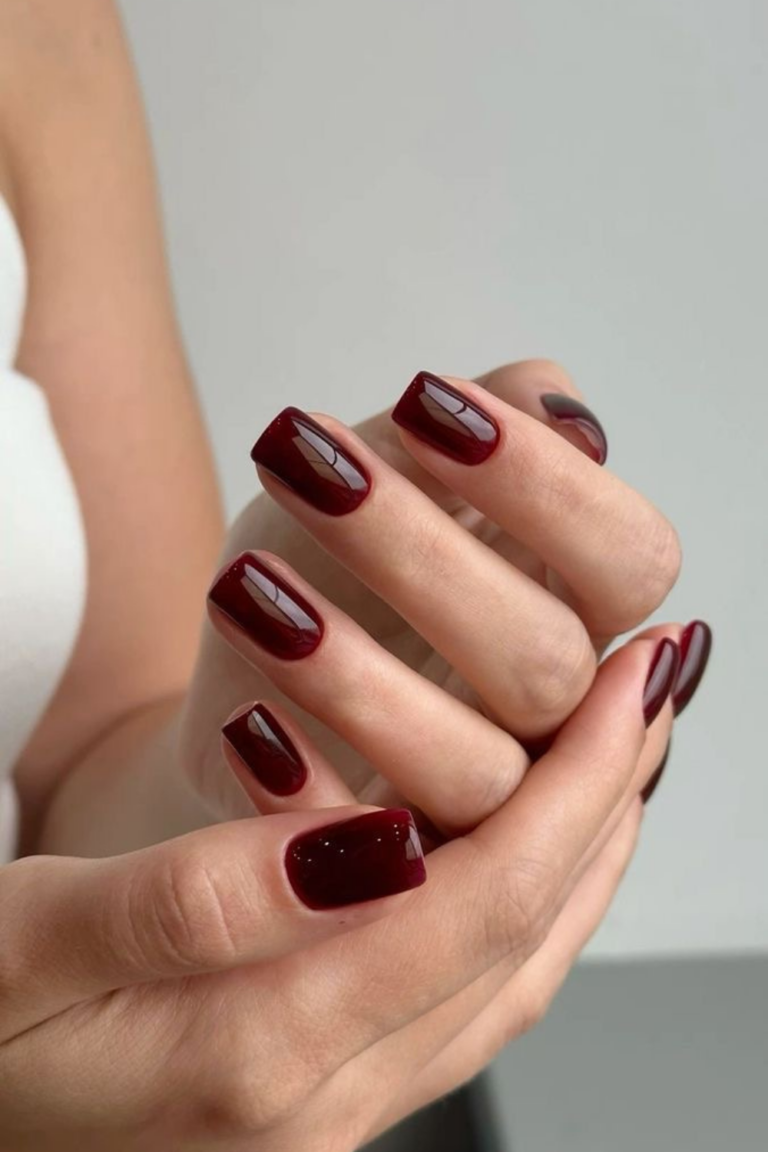
Photo via Your Girl Knows
Regular polish air-dries but never truly cures, which means it stays slightly soft and persuadable by a key ring or a pot lid long after it feels dry. It suits people who enjoy repainting every few days and do not mind the ritual. Long-wear formulas harden more under ambient light and can survive a week of typing and dishwashing, though they tend to chip in clean sheets rather than small flakes — and that clean break makes peeling the rest off far too tempting.
Gel is the only finish that genuinely cures, polymerising under a lamp into a hard layer that will not chip in the traditional sense, though it can lift at the edges eventually. The trade-off is removal: forty minutes of soaking and gentle work, plus a nail bed that feels a little thin afterwards. For hands that are constantly in water or constantly on show, gel is the clear winner; for everyone else, the honest choice is the finish that matches how the hands actually spend the week, not how they spend a Saturday.
3. Choose a Shape That Can Take a Beating
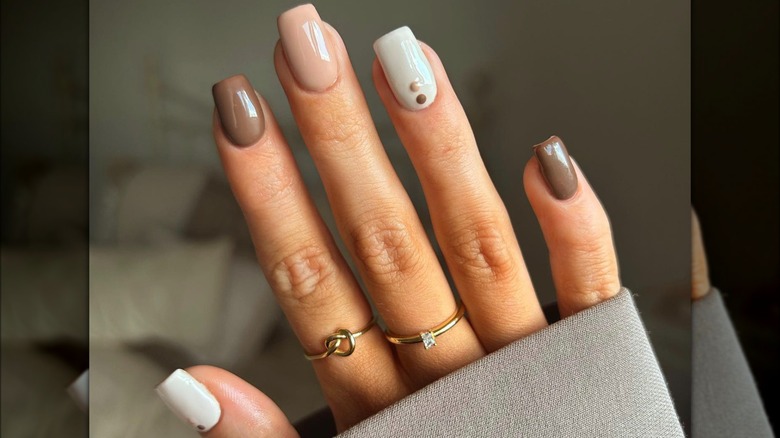
Photo via Glam
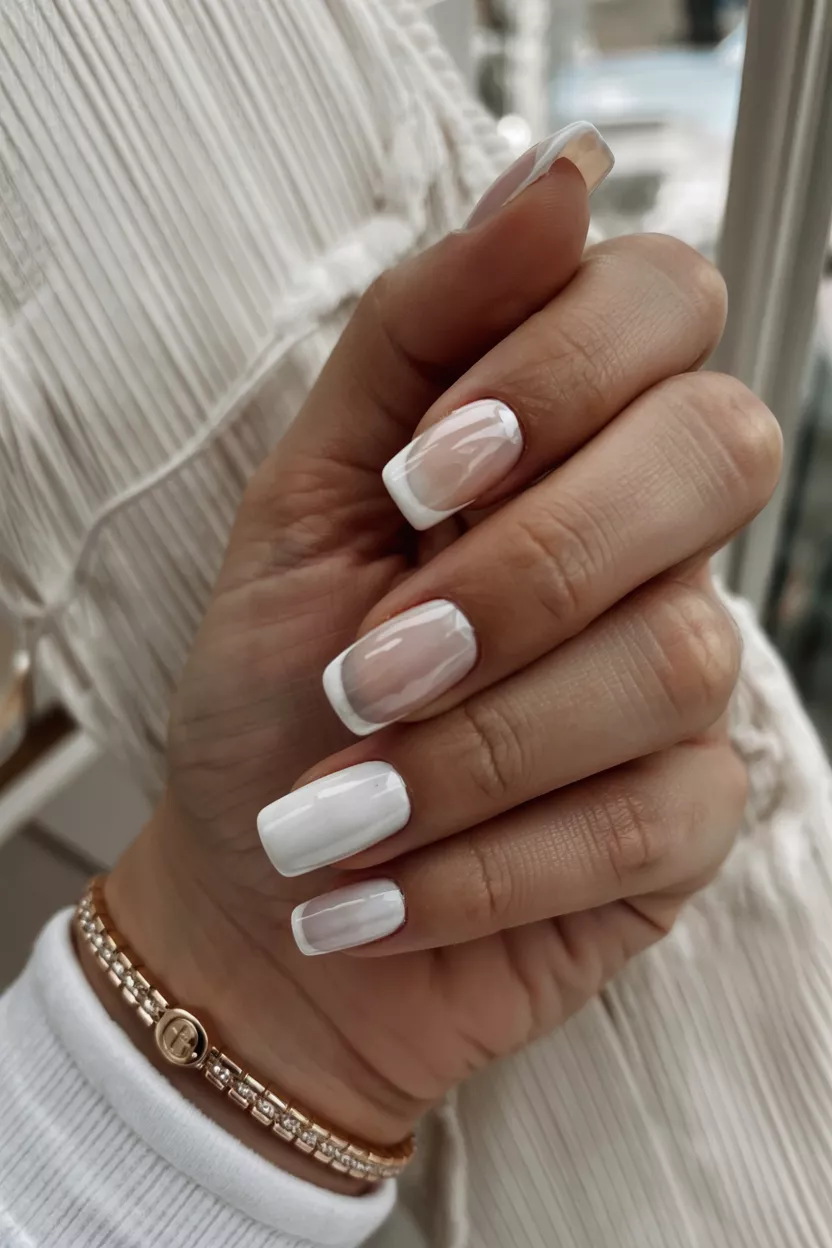
Chips almost never start in the middle of the nail. They start at the corner, where the nail meets a key, a can or a car door handle, and a longer nail simply pushes that corner further into the path of impact. Shorter nails present less surface to the world, which is the single easiest structural change for anyone whose polish never seems to last the week.
Shape matters just as much as length. A squoval or soft round spreads stress across the edge, while almond and stiletto concentrate it at a single point — beautiful, but demanding on hands that open jars, dig through bags and type all day. The right shape is the one that still looks intact at four in the afternoon on a normal Tuesday, not the one that photographs best in the salon chair. For most fall routines, a short squoval in a warm neutral is the shape that survives.
You may also like: 20 White Christmas Nail Designs for a Magical Holiday Look
4. Ask the Right Questions at the Salon
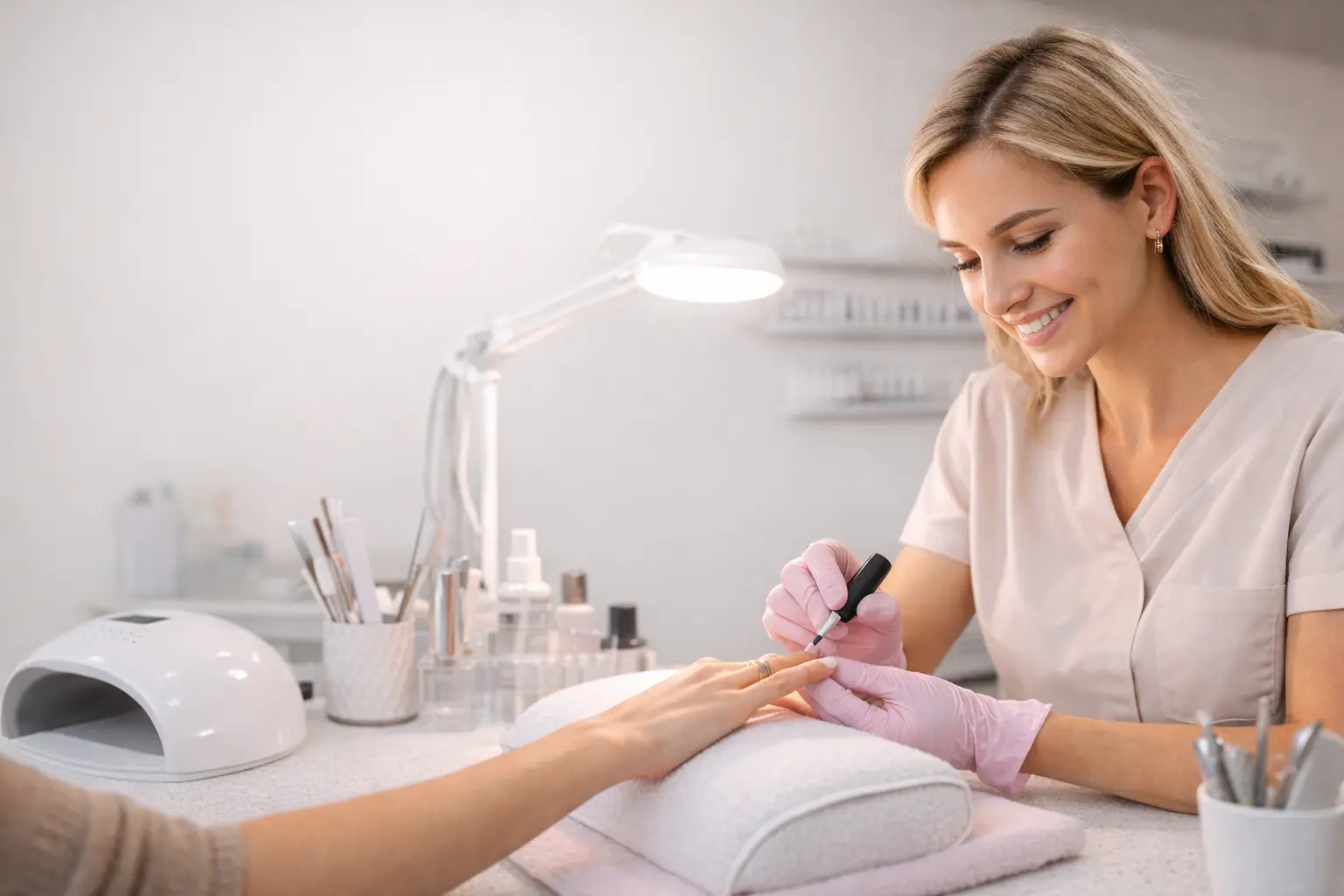
Photo via Training Beauty and Beyond
A gel manicure should look freshly finished for a full week. When it does not, a step was usually skipped — most often while the client was scrolling their phone in the chair. The two words worth saying before the base coat comes out are “dehydrator” and “primer.” Those two clear liquids are what make polish bond to the nail plate instead of sliding off by Tuesday, and a technician who claims the base coat does both jobs is cutting a corner that will show within days.
Layer thickness is the other thing to watch. Base coat, colour and top coat should each look almost stingy — three whisper-thin coats cure harder than two thick ones, because the lamp light penetrates fully and nothing uncured gets trapped underneath. It is also worth asking how removal will be handled before the appointment ends: the top coat’s shine has to be filed off before acetone can do its work, and a metal pusher should be used gently, since a nail that bends during removal is a nail that will peel within days.
5. Keep Up the Manicure at Home
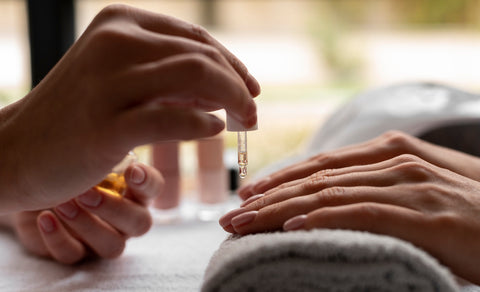
Photo via Lily and Fox
A manicure is not a finished object; it is a maintenance schedule, and the most effective habit in it takes less than a minute. A single drop of jojoba oil massaged across each nail plate before bed sinks into the microscopic fissures that open as the nail flexes, keeping the polish film bonded to a surface that wants to move. It does more to prevent chips than any amount of midday inspection.
Handwashing habits matter too. After every wash, pressing a pea of hand cream deliberately into the cuticle line blocks the spot where water creeps under the polish edge and starts the lift, and a lotion with a touch of urea helps re-plump the nail itself. Cleaning without gloves is the fastest way to undo all of it — the surfactants in spray cleaners break down the plasticisers that keep polish flexible, and once the film goes rigid it cracks. Lined rubber gloves looped over the sink faucet are the cheapest manicure insurance there is.
Final Thoughts
Fall nails do not chip because the polish is bad or the nails are weak. They chip because dry air shrinks the nail plate, skipped prep leaves polish gripping oil instead of nail, and everyday friction does the rest. The fixes are unglamorous — a dehydrated nail plate, thin coats, a shorter shape, two questions at the salon and a drop of oil at night — but together they form a small system that actually holds up through wool sleeves, dish soap and cold mornings.
The women whose polish survives a full week are not gentler with their hands. They simply stopped treating the manicure as something finished at the salon and started treating it as something maintained at home. Start with the prep and the nightly oil tonight, and the next manicure has a far better chance of still looking good on Friday.
1 thought on “Why Fall Nails Chip So Fast and How to Make Your Manicure Last”