Common Style Mistakes and How to Fix Them

Most outfits do not fail because of one dramatic error. They fail quietly, in small decisions made on autopilot: a trend bought because everyone else bought it, a blazer that pulls at the buttons, a closet full of safe pieces that say nothing at all. None of these are taste problems. They are habits, and habits can be changed without spending a fortune or rebuilding a wardrobe from scratch.
The fixes below are the five most common ones, and each of them starts with the clothes you already own. A better fit, a clearer sense of what suits you, one bold detail instead of ten — these are small shifts that make an outfit look considered rather than accidental. Work through them one at a time, and the difference shows up fast.
1. Chasing Every Trend at Once
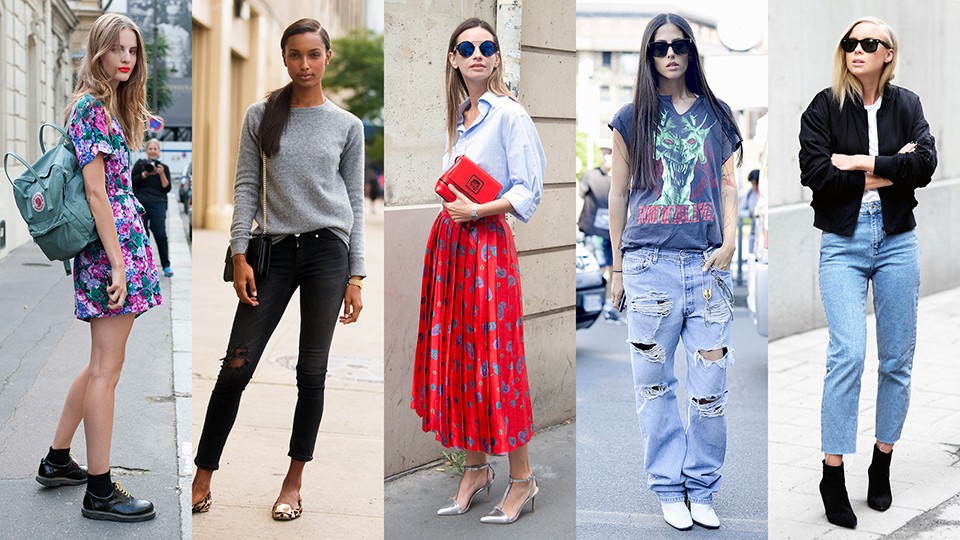
Photo via Beautips
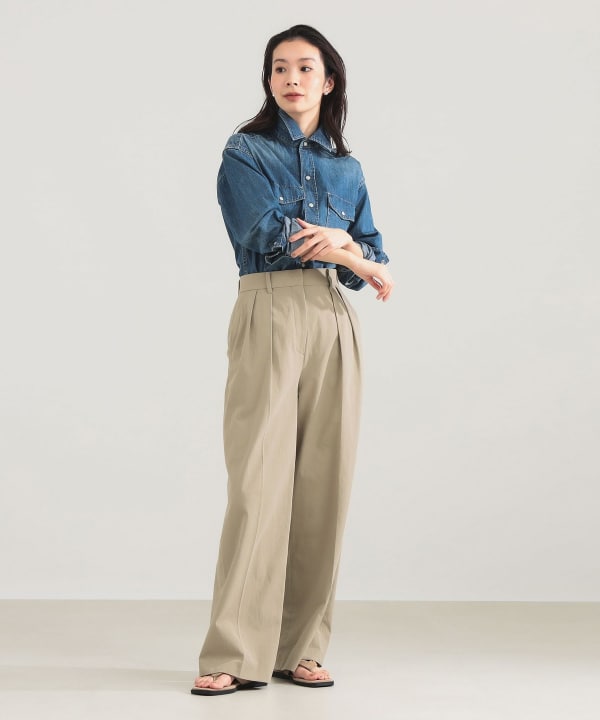
Trends arrive faster than any wardrobe can absorb them. One month it is oversized everything, the next it is ultra-fitted tailoring, and buying into each wave as it passes leaves a closet full of pieces that refuse to work together. The outfit ends up looking like a mood board rather than a person — every item shouting a different season, none of them quite belonging to the woman wearing them.
The fix is a filter, not a ban. Keep a solid core of pieces that suit your shape and your life — the trousers that fit, the coat that goes with everything, the shoes you reach for without thinking — and let only one trend in at a time, in a version that fits the core. An oversized jacket works when it is worn over the slim trousers you already love; a bold colour works when it sits next to neutrals you trust. Trends should visit your wardrobe, not move in and redecorate it.
2. Wearing Clothes That Don’t Quite Fit

Photo via TechBullion
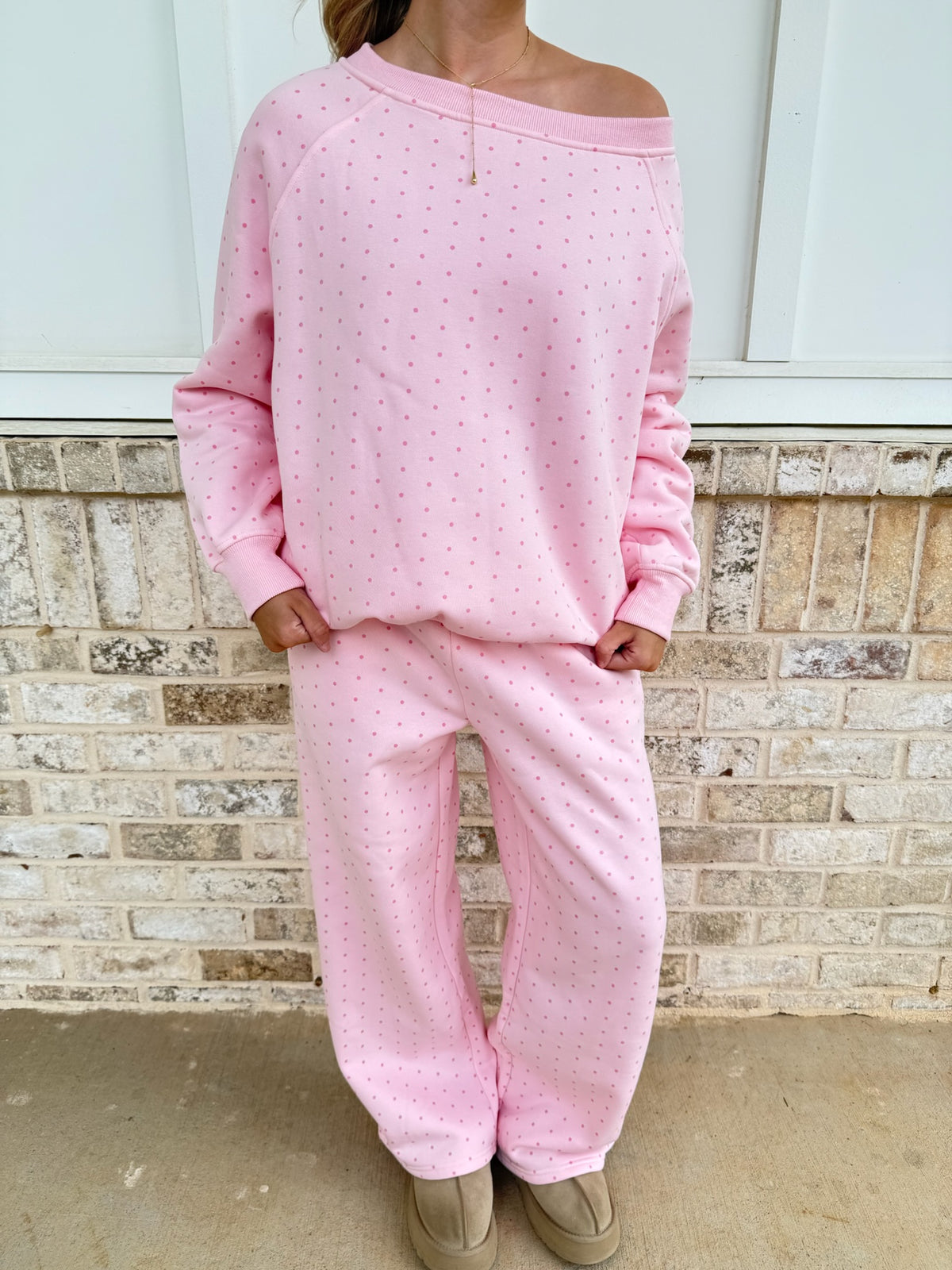
Fit is the difference between an outfit that looks expensive and one that looks borrowed, and it has nothing to do with price. A blazer that sits cleanly on the shoulders and closes without strain will always outshine a costly piece that gaps at the chest or swallows the wrists. The eye reads fit before it reads fabric, brand or colour — a sleeve that ends at the wrist bone and a hem that lands where it should signal intention, while pooling trousers and creeping waistbands signal that the outfit was never quite finished.
Small adjustments do most of the work. A hem, a taken-in waist, a sleeve shortened by an inch — these are inexpensive changes that make off-the-rack clothes behave like made-to-measure. Before buying anything new, check the three places fit betrays itself: the shoulders, the waistband and the hem. If two of the three are right, a tailor can usually fix the third; if none of them are, the piece is not worth the alteration, no matter how good it looked on the hanger.
3. A Closet Full of Basics and Nothing Else

Photo via Typically Jane
Basics earn their place — a white tee, black trousers and a good denim jacket carry more outfits than anything else in the closet. But a wardrobe made of nothing but basics starts to look like a uniform, and uniforms do not tell anyone anything about the person inside them. The outfit is tidy, it is correct, and it is instantly forgettable, because there is nothing in it that could only belong to you.
The answer is not to throw the basics out; it is to give them one thing to play against. A chunky necklace over a plain knit, a patterned scarf with a neutral coat, a velvet jacket where a black blazer usually sits — one deliberate detail is enough to turn a safe outfit into a styled one. Texture works just as well as colour: leather, suede, satin or a heavy knit can add depth without adding noise. One statement per outfit is the rule; two start competing, and three cancel each other out.
You may also like: 20 Cozy Skirt With Leggings Outfit Ideas for Cold Days: Minis, Plaid and Knee-High Boots
4. Never Defining Your Own Style

Photo via SizeHelper
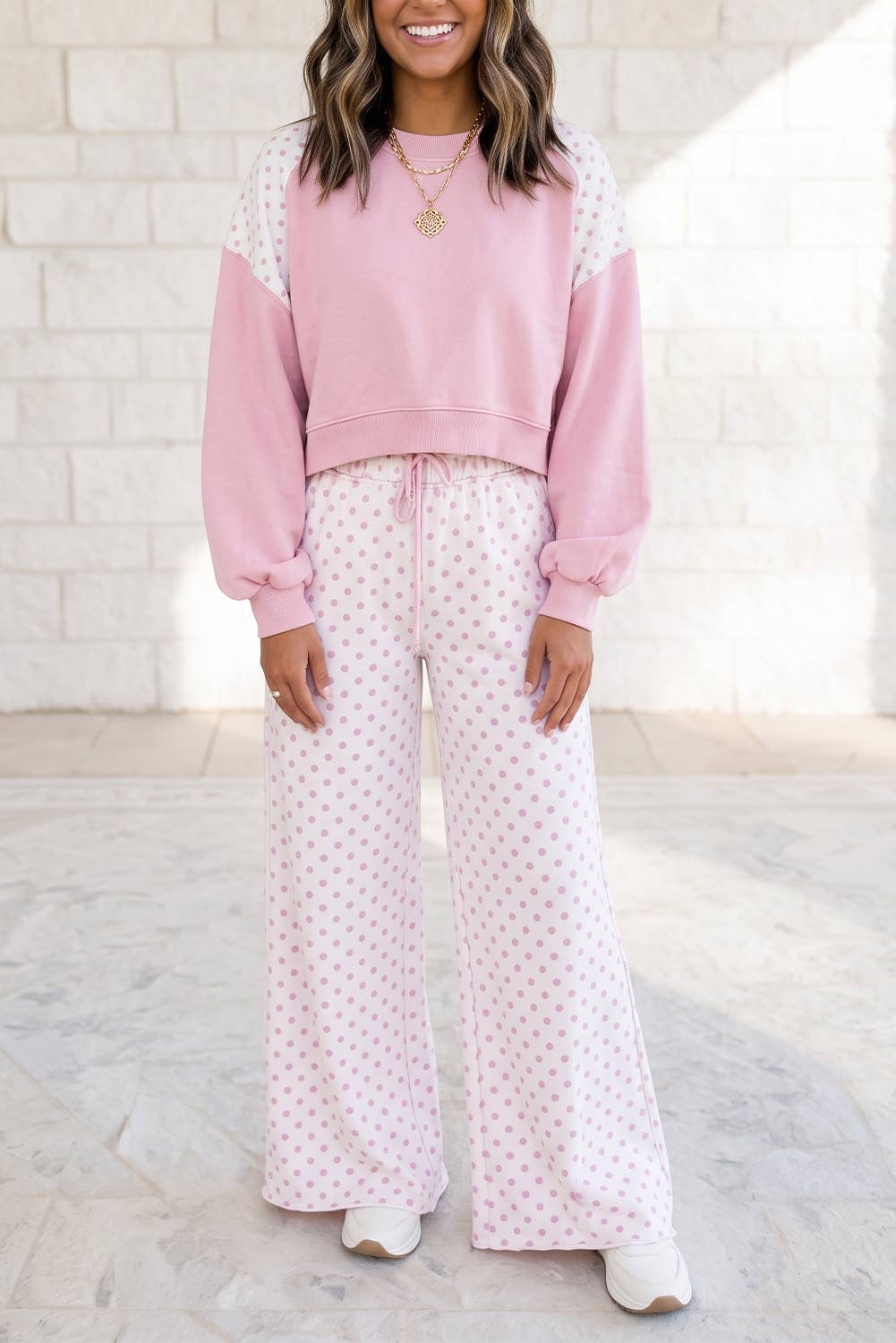
Without a clear sense of what you like, every shopping trip becomes a fresh guess. One week it is minimal neutrals, the next it is boho prints, and the closet fills with beautiful pieces that have nothing in common. Getting dressed turns into a daily negotiation, because there is no standard to measure a new piece against — only whether it looked good on someone else in the moment.
Defining a style does not mean picking a label and sticking to it forever. It means noticing patterns: the colours you reach for when no one is watching, the silhouettes that make you stand a little straighter, the outfits you photograph because you liked how the day felt in them. A mood board — saved outfits, a few reference photos, even a note on your phone — turns those patterns into something you can actually shop against. Once the pattern is visible, buying becomes faster, cheaper and far less disappointing.
5. Dressing for the Wrong Occasion

Photo via Voxplix
An outfit can be perfectly styled and still be wrong, simply because it belongs somewhere else. The tailored suit at a casual lunch, the distressed denim at a client meeting, the evening sparkle at a morning errand run — each one sends a message the wearer did not intend, and the discomfort is usually felt before it is understood. Dress codes are not about rules for their own sake; they are about showing up in a way that lets everyone, including you, relax.
The practical fix is a small set of bridge pieces that adjust an outfit up or down without a full change. A structured blazer over jeans turns casual into smart-casual; swapping heels for clean loafers takes a formal outfit down a notch; a simple shift dress works for the office with a jacket and for dinner without one. Before getting dressed, it is worth asking one question — where am I going, and who will I be standing next to? — because the right outfit for the wrong room is still the wrong outfit.