How to Dress for Your Body Shape: A Guide to Flattering Every Figure
Getting dressed should feel like the easy part of the day, but for most women it is the part that eats the most time. The outfit that looked effortless on the hanger suddenly looks off in the mirror, the waistband sits wrong, the proportions feel unbalanced — and the usual response is to blame the body instead of the cut. The truth is simpler: clothes are designed around shapes, and when the shape of the garment matches the shape of the person wearing it, everything falls into place.
This guide covers the five body shapes most women recognise in themselves — hourglass, pear, apple, rectangle and inverted triangle — and the cuts, necklines and proportions that flatter each one. Nobody fits a category perfectly, and most figures are a blend of two, so take the advice that matches the proportions you actually see in the mirror and leave the rest. The goal is never to dress smaller or to hide; it is to choose clothes that work with the body you have.
1. Hourglass: Let the Waist Lead
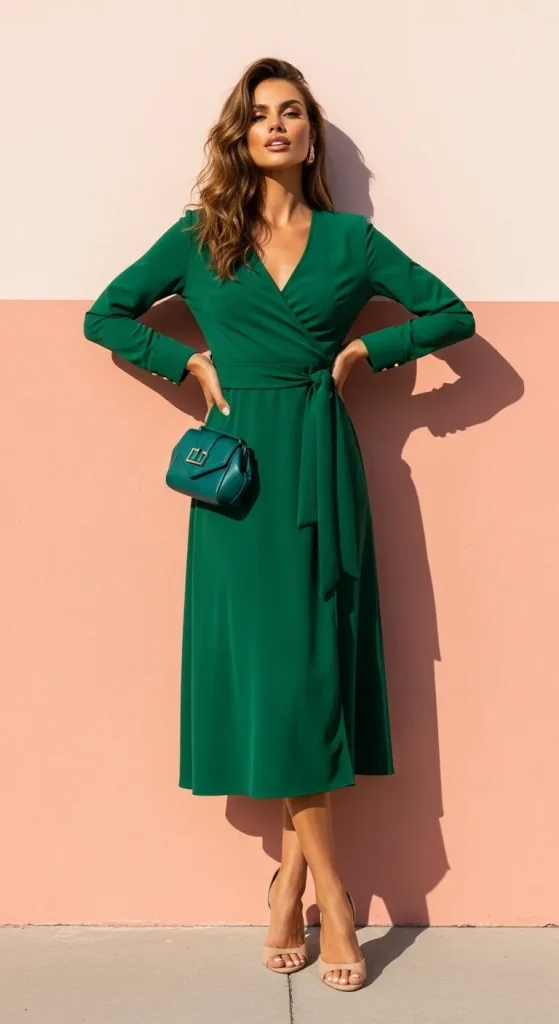
Photo via Outfit Dr
An hourglass figure has shoulders and hips of similar width with a clearly defined waist between them, so the most flattering clothes are the ones that follow that line instead of fighting it. Wrap dresses are the obvious hero here: the diagonal closure draws the eye to the narrowest point, the V-neckline opens up the chest, and the skirt skims the hips without adding width. High-waisted trousers and skirts do the same job from the waist down, sitting at the narrowest point and lengthening the leg line at the same time.
What tends to work less well is anything that hides the waist entirely. Boxy tunics, oversized shift dresses and straight-cut coats turn a defined silhouette into a straight one, and low-rise bottoms cut the torso at an awkward point. A belt is the simplest fix in the wardrobe — cinched over a blazer, a knit dress or a loose shirt, it restores the shape in seconds. Fabrics with a little stretch help too, since they follow the curve of the body without pulling or gaping at the waistband.
2. Pear: Draw the Eye Upward
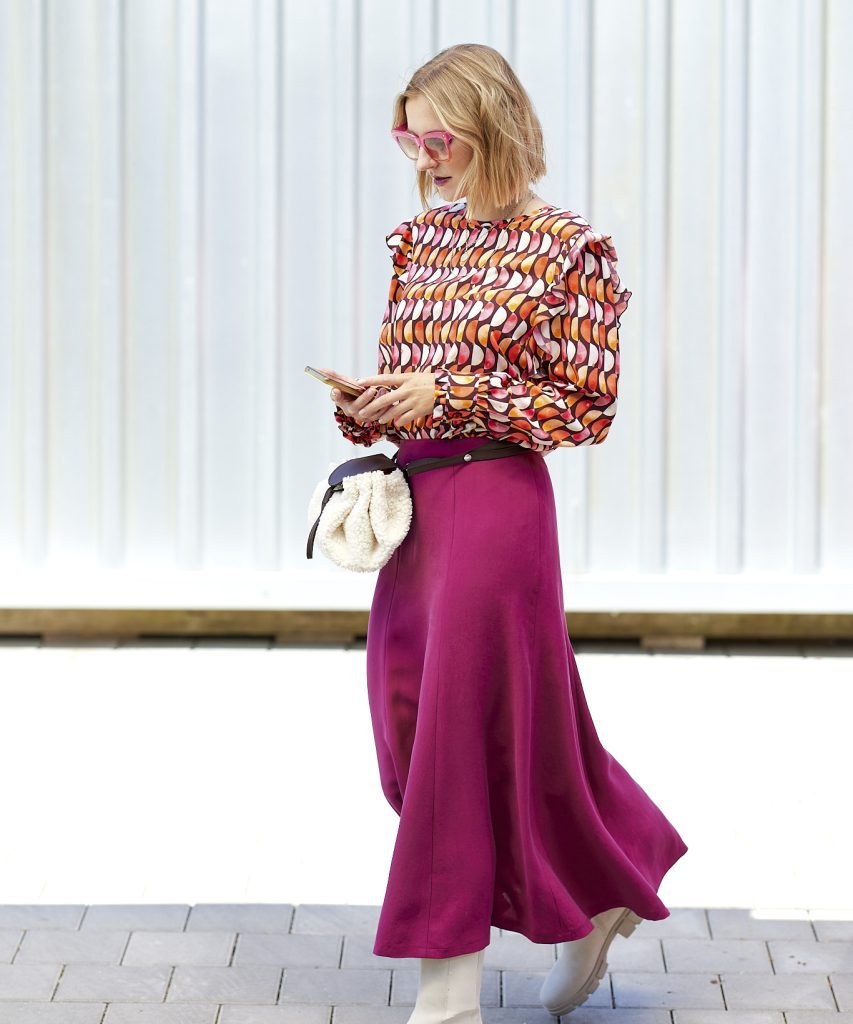
Photo via BERNINA Blog
A pear shape carries more width through the hips and thighs than through the shoulders, with a waist that is usually well defined. The styling trick is balance: add a little visual weight up top and let the lower half stay clean and uncluttered. Statement tops do the heavy lifting — a boat neckline, a puff sleeve, a bold print or a bright colour all widen the shoulder line and pull attention upward. A-line skirts are the matching piece below, skimming over the hips and flaring gently so the silhouette flows instead of clinging.
The details matter as much as the shapes. Tops that end right at the widest part of the hip draw the eye exactly there, so look for hems that land just above or just below it instead. Bootcut and flared jeans balance the hips far better than skinny cuts, which exaggerate the difference between the upper and lower body. And a structured jacket — a blazer with a defined shoulder or a cropped jacket that ends at the waist — frames the top half and finishes the proportion in one move.
3. Apple: Lengthen the Line
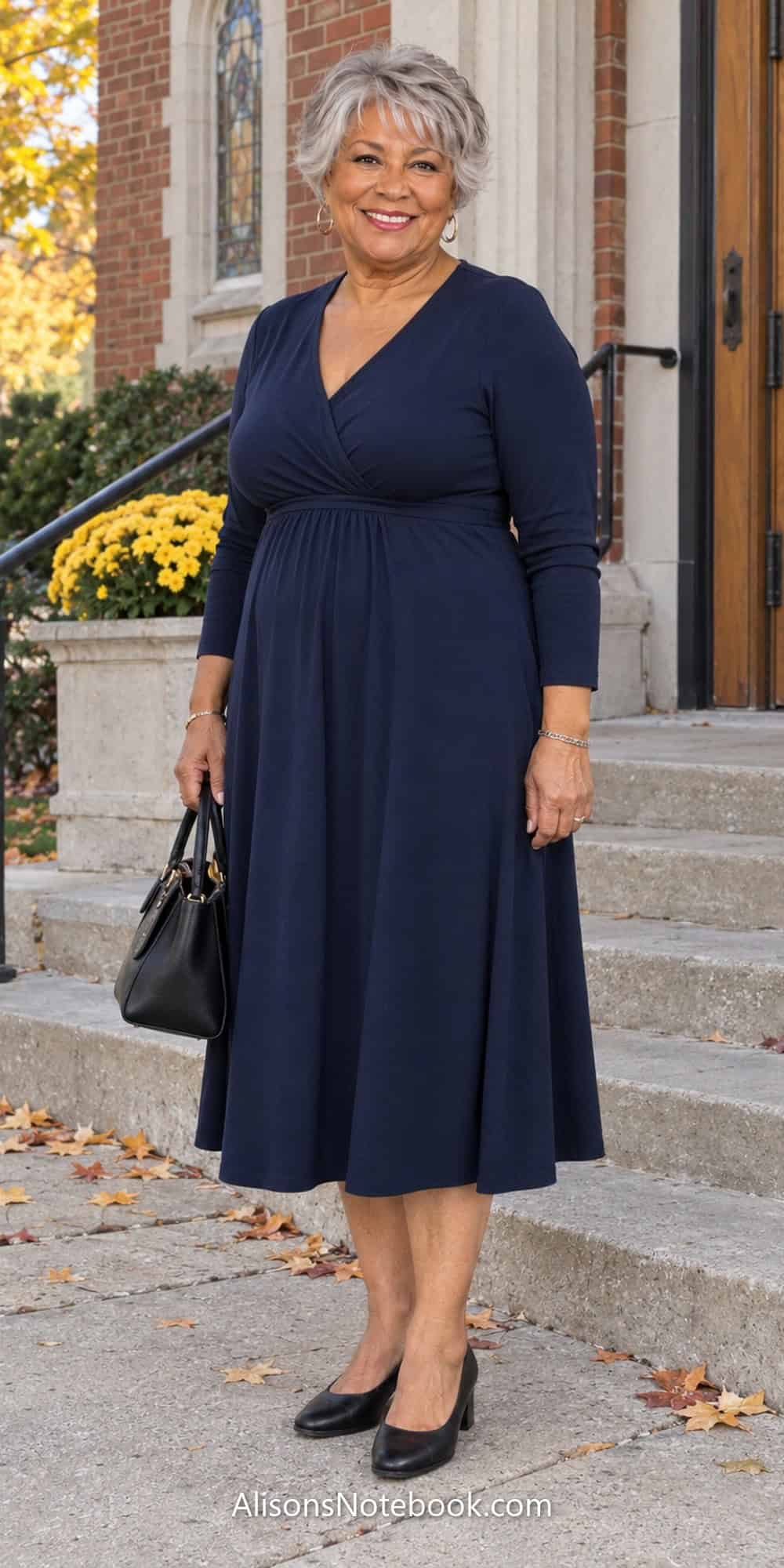
Photo via Alison’s Notebook
An apple shape carries fullness around the midsection, usually with slimmer legs and a less defined waist. The most flattering approach is to create length through the torso and let the legs do some of the talking. Empire-waist dresses are made for this: the seam sits just below the bust, the fabric falls away from the body, and the eye reads a long, unbroken line. V-neck tops work on the same principle, opening the neckline and drawing the gaze upward and outward.
Fabric choice is half the battle. Clingy jersey and thin knits show every fold, while fluid fabrics — a soft crepe, a draped viscose, a lightweight wool — skim the midsection and move with the body instead of sticking to it. Straight-leg or bootcut trousers keep the lower half in proportion, and a longline blazer or coat adds a vertical line that pulls the whole outfit together. Darker tones worn head to toe have the same lengthening effect, and a single column of colour is one of the easiest outfits to build.
You may also like: 20 Meeting His Parents Outfits for a Lasting Impression: Polished Midi Dresses, Cream Blazers and Tonal Layers
4. Rectangle: Build Shape With Structure
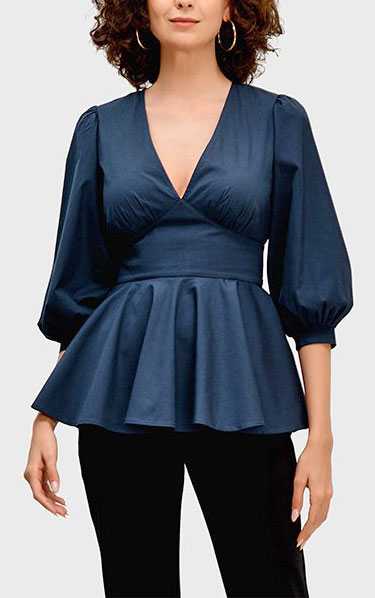
Photo via Style Fix Studio
A rectangle shape has shoulders, waist and hips in roughly the same line, which gives a sleek, athletic silhouette — and the styling goal is simply to add a little curve and definition where the body keeps things straight. Peplum tops are the classic tool: the flare at the hem creates the suggestion of a waist and adds volume at the hip in one piece. Belted dresses, wrap styles and high-waisted bottoms do the same job from a different angle, pinching in at the narrowest point and letting the fabric fall away above and below it.
Layering is the other trick worth learning. A cropped jacket over a tucked-in top, a cardigan worn open over a fitted dress, a blazer cinched with a belt — each layer adds dimension and breaks up the straight line. Flared and skater skirts add volume to the lower half, while a single colour worn head to toe tends to do the opposite, stretching the silhouette into one long rectangle. Mixing textures and tones between top and bottom keeps the eye moving and makes the outfit look considered rather than flat.
5. Inverted Triangle: Add Volume Below the Waist
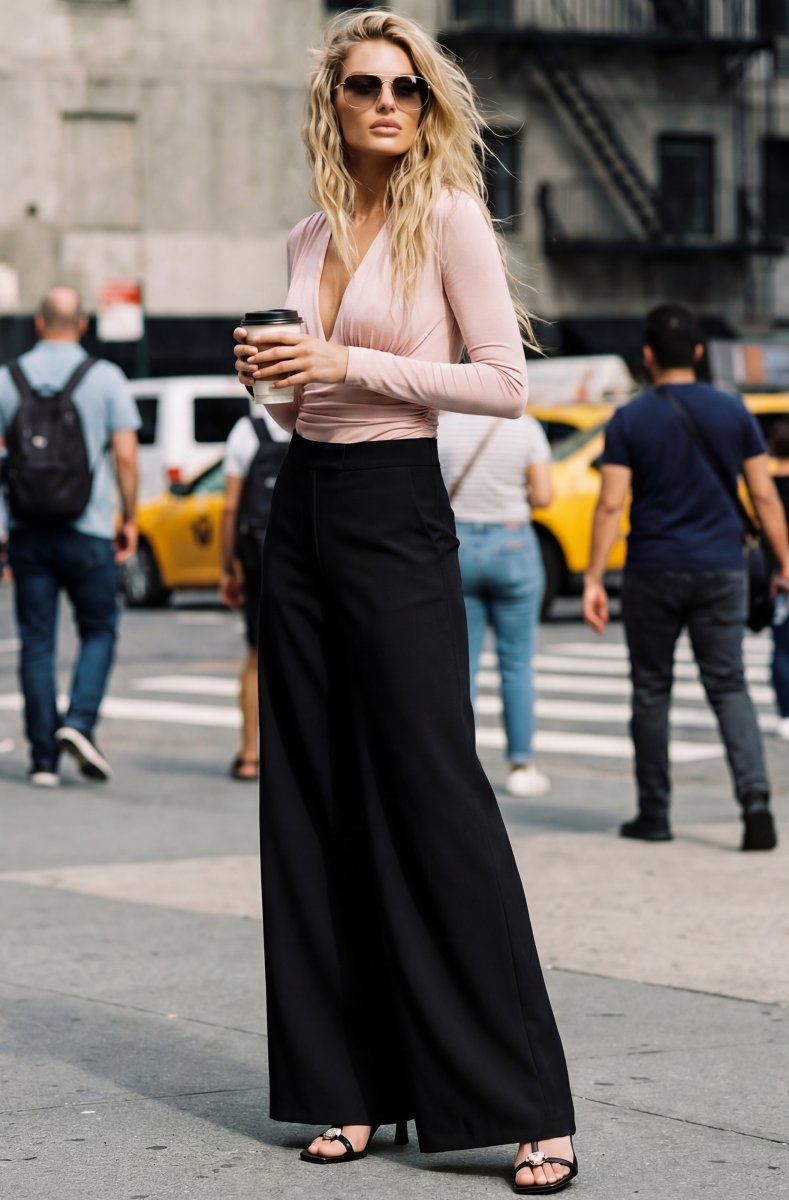
Photo via Plain Vanilla
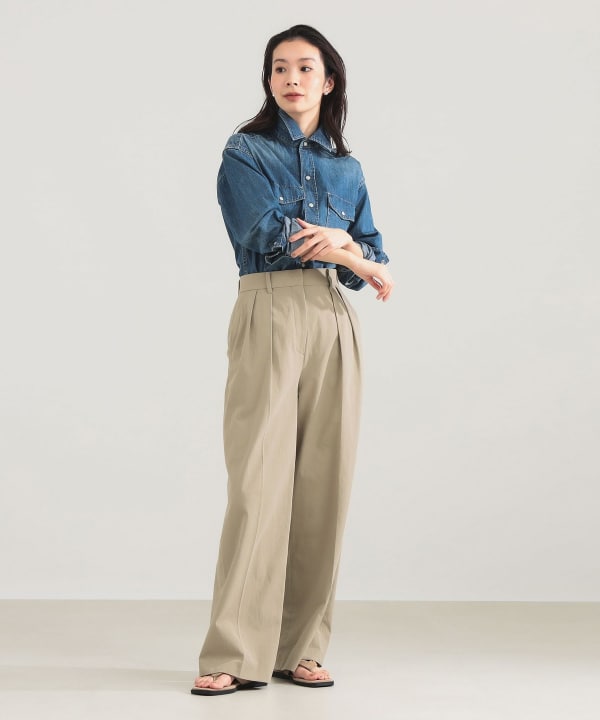
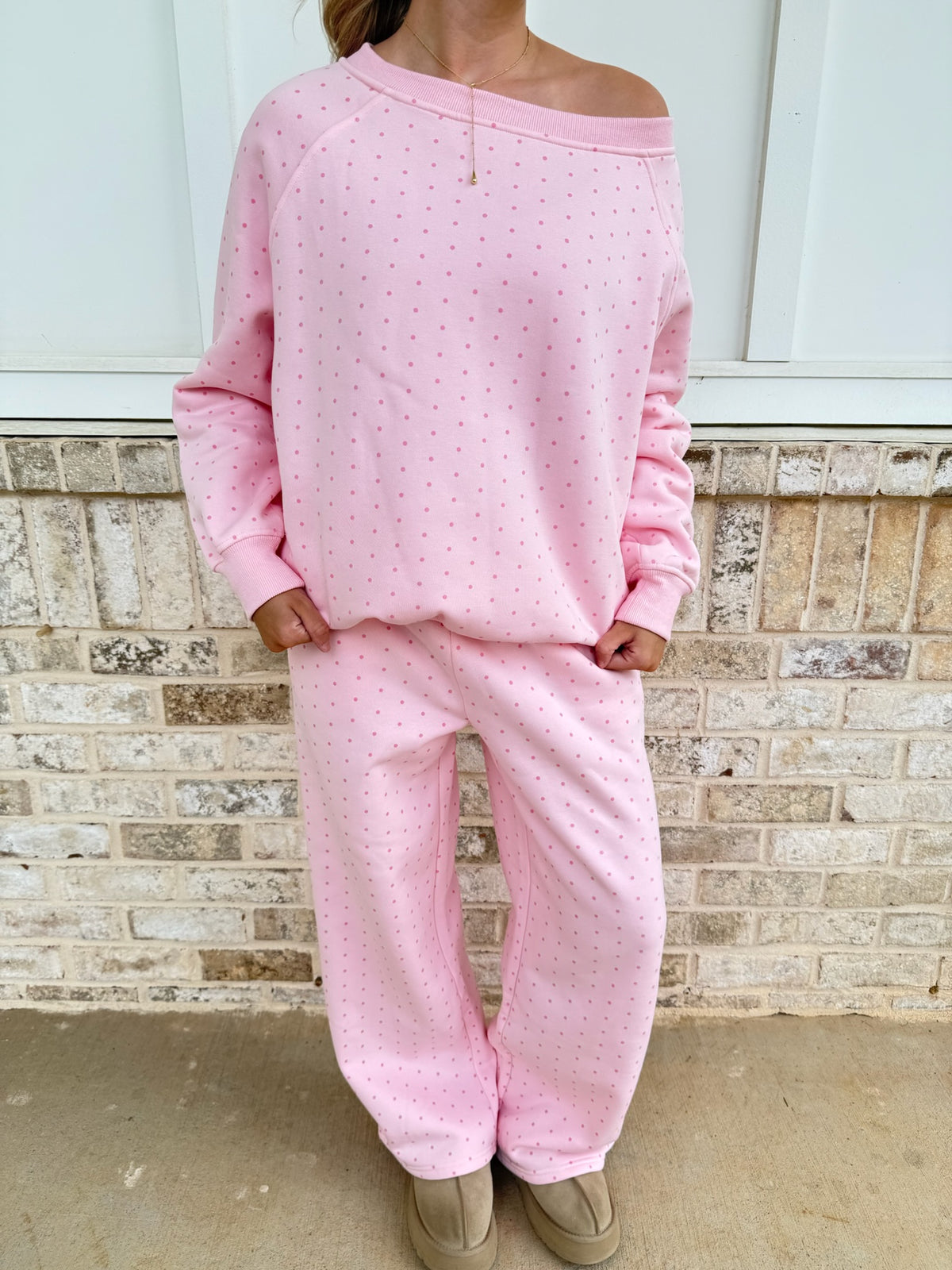
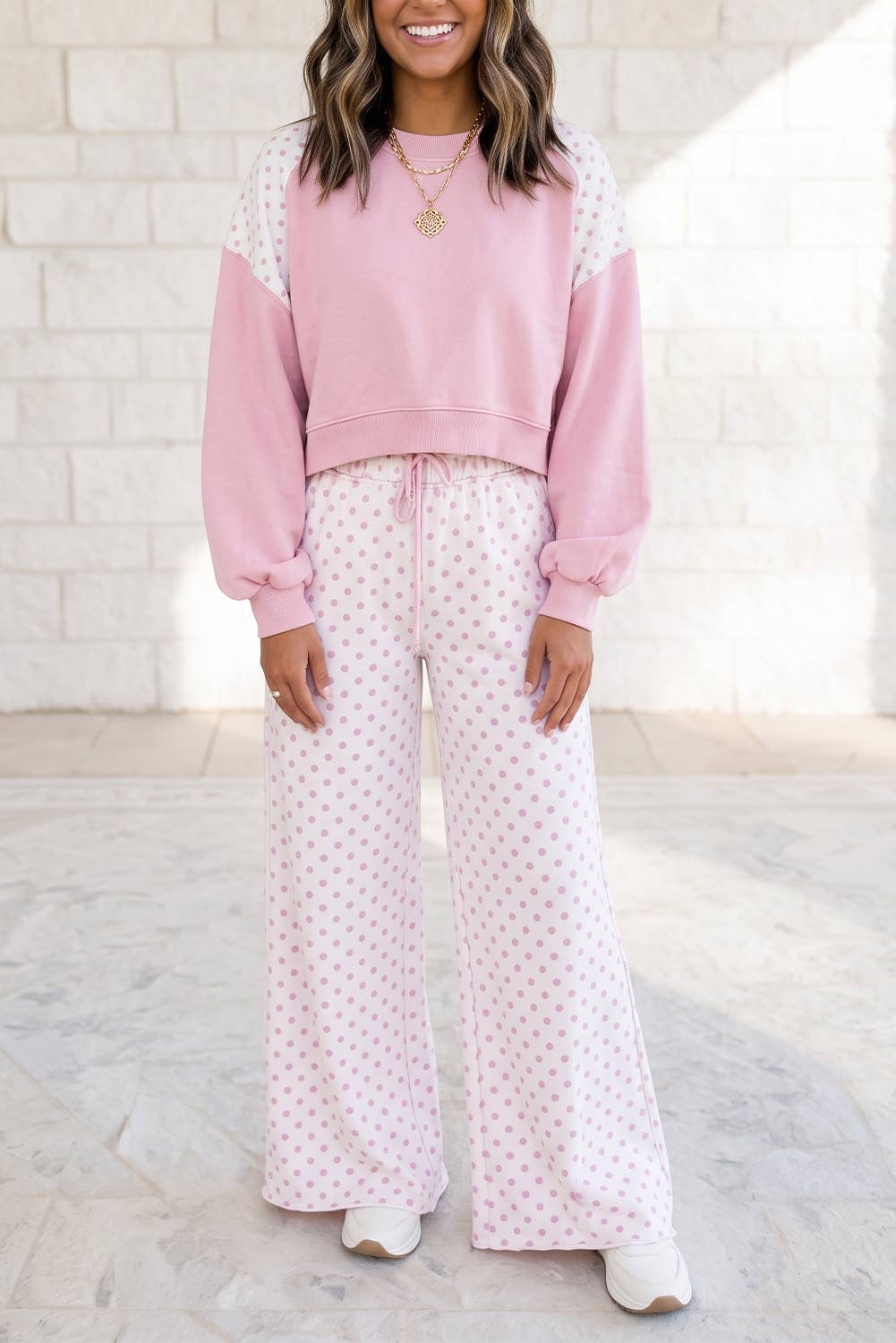
An inverted triangle shape has broader shoulders than hips, which gives a strong, athletic upper body — and the balancing move is to add volume and interest below the waist. Wide-leg trousers and palazzo pants are the easiest win: they fill out the lower half, soften the contrast with the shoulders, and look polished with almost any top. Flowy skirts, A-line cuts and bold prints or bright colours on the bottom half all work the same way, drawing the eye downward and evening out the proportions.
Up top, the rule is to keep things quiet. V-necks and wrap tops soften the shoulder line, while simple, unembellished necklines avoid adding width where it is not needed. Shoulder pads, halter necks and heavy detailing around the collarbone all do the opposite, so they are worth skipping. A slim belt at the waist helps define the middle of the outfit, and the overall effect — a calm top half and a fuller bottom half — is a silhouette that reads balanced from every angle.