
A Flawless Personal Hygiene Routine: Your Complete Guide to Feeling Fresh Every Day

There is a real difference between being clean and feeling genuinely fresh. Clean is what happens when the basics get ticked off in a hurry. Fresh is what happens when those same basics are done with a little intention — the right order, the right products, and a rhythm that actually fits a normal day. A personal hygiene routine is not about adding twenty steps to an already full morning. It is about making the steps that already exist work harder.
This guide covers the six areas that matter most: oral care, body care, hands and nails, hair and scalp, the clothes worn closest to the skin, and the bed and home environment. None of it requires expensive products or a complicated system. What it does require is consistency, because hygiene is one of those things where small daily habits quietly add up to confidence that shows.
1. Start With Your Mouth: Oral Care That Goes Beyond Brushing
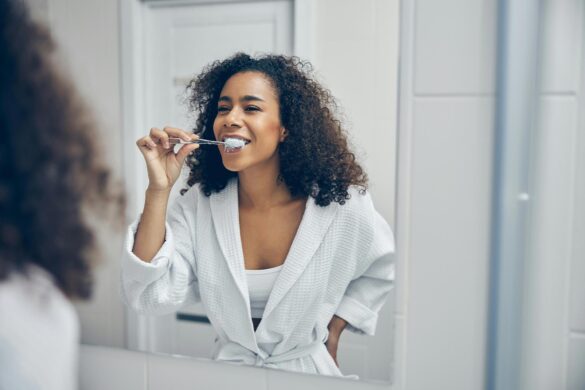
Photo via BH Wellness
The mouth is where freshness starts, and it is also where most routines stop too early. Brushing twice a day for two minutes is the baseline, but technique matters more than effort. A soft-bristled brush moved in small, gentle circles cleans the gumline far better than hard scrubbing, which wears down enamel and pushes gums back over time. Fluoride toothpaste helps remineralise enamel that has been softened by food and drink, so it is worth using even when teeth already feel fine.
What brushing cannot reach is where the real difference is made. Floss or an interdental brush clears the plaque between teeth and just below the gumline, the spots where gum inflammation usually begins. A tongue scraper takes about ten seconds and removes the film that is one of the main causes of stale breath. Mouthwash can help as a finishing step, but it is a support act, not a replacement for any of the above. Drinking water through the day helps too, since saliva is the mouth’s own cleaning system and it needs hydration to do its job.
2. Treat Your Body Like Skin Care, Not a Chore
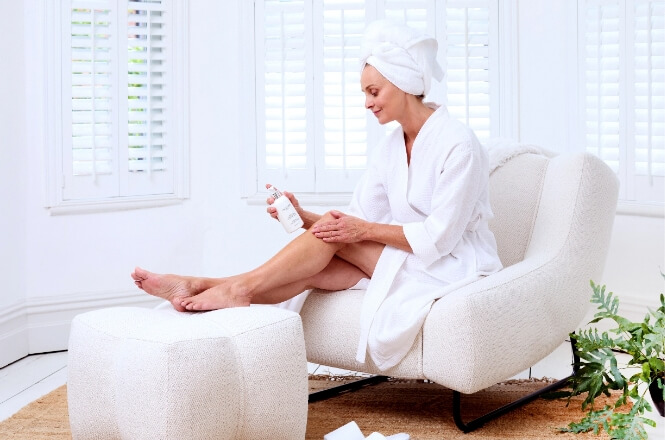
Photo via Valentte
A daily shower removes sweat, oil, dead skin and the day‘s pollution, but the way it is done matters as much as the fact that it happens. Very hot water and harsh soap strip the skin’s protective acid mantle, the thin film of oil and sweat that keeps moisture in and irritation out. Lukewarm water and a gentle, pH-balanced cleanser get the skin properly clean without leaving it tight and dry afterwards. The areas that need the most attention are the ones with the most sweat glands — underarms, feet and the groin — which should be washed and then dried thoroughly, since damp skin is where odour-causing bacteria thrive.
What happens after the shower is just as important as the shower itself. Skin absorbs moisture best while it is still slightly damp, so applying lotion or cream within a few minutes of towelling off locks hydration in for the rest of the day. Once or twice a week, a gentle exfoliation — a dry brush before showering or a mild chemical exfoliant with lactic or glycolic acid — clears the dead cells that make skin look dull and helps moisturiser absorb properly. Deodorant and antiperspirant do different jobs, by the way: one masks odour, the other reduces sweat, so the right choice depends on whether the priority is staying dry or staying fresh-smelling.
3. Hands and Nails: Small Habits With the Biggest Payoff
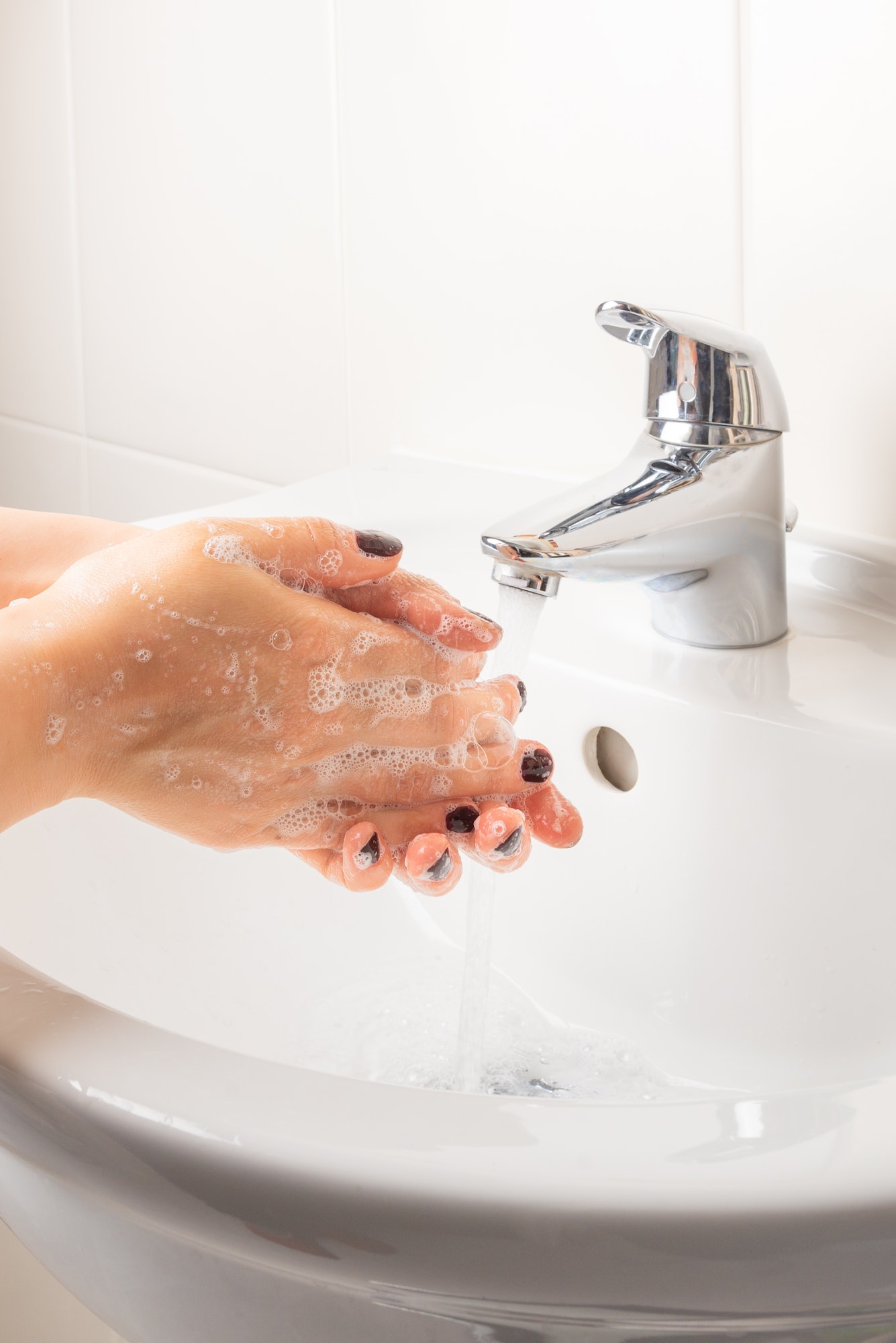
Photo via UGS Hygiene
Hands touch everything, which makes hand hygiene one of the highest-impact habits in the whole routine. Soap works because its molecules bond with both water and oil, lifting dirt and microbes off the skin so they rinse away. Twenty seconds is the time it takes to cover every surface properly — palms, backs, between the fingers and under the nails — and it is worth counting, because most people stop at about six. Hand sanitiser is a useful backup when there is no sink nearby, but it does not replace soap and water when hands are visibly dirty.
Nails deserve the same attention. The space underneath them collects dirt and bacteria, so keeping them trimmed and clean is genuinely a health habit, not just a cosmetic one. Filing in one direction rather than sawing back and forth prevents splitting, and cuticles should be pushed back gently after a shower rather than cut — they are a natural seal that protects the nail bed from infection. A drop of cuticle oil keeps them soft and stops the hangnails that tempt people into picking. The payoff is practical as well as visual: clean, well-kept nails are one of the first things other people notice.
You may also like: 20 Cute Shorts Outfits to Try This Year
4. Hair and Scalp Care: Clean Roots, Healthier Hair
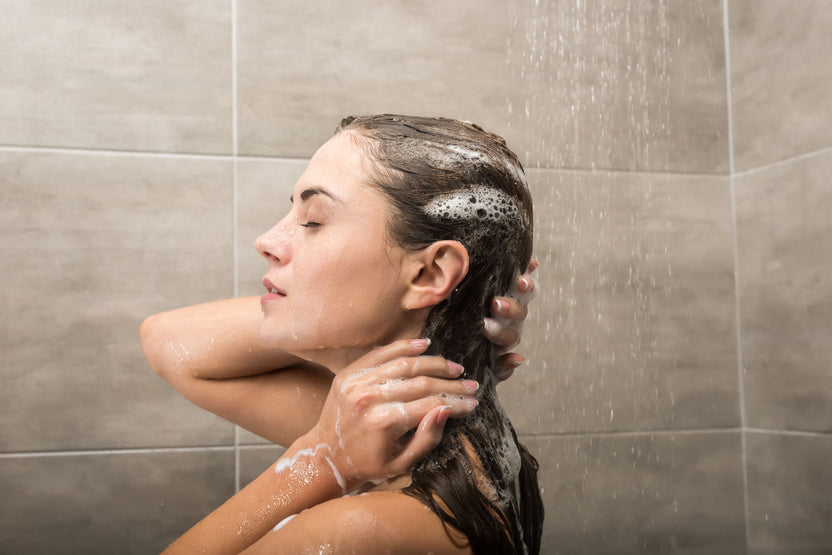
Photo via Prestige by MP
Healthy hair starts at the scalp, and the scalp has its own hygiene needs that are easy to overlook. There is no single right answer for how often to wash — it depends on how much oil the scalp produces. Washing too often strips the scalp and can trigger it to produce even more oil, while washing too rarely lets buildup clog follicles and can lead to flaking and dandruff. The right rhythm is the one where the scalp feels comfortable and the roots look clean on wash day, not the one a bottle label suggests.
Two habits make a bigger difference than most products. The first is never sleeping on soaking-wet hair: a warm, damp scalp is an ideal environment for the fungus linked to dandruff, and wet hair is far more fragile against a pillowcase, so getting hair at least mostly dry before bed protects both scalp and strands. The second is cleaning the tools. Brushes, combs and styling tools collect oil, dead skin and product residue, and all of that transfers straight back onto freshly washed hair. A weekly wash with a little shampoo and warm water keeps them from undoing the work of the shower.
5. Fresh Clothes Start With What You Wear Closest to Your Skin
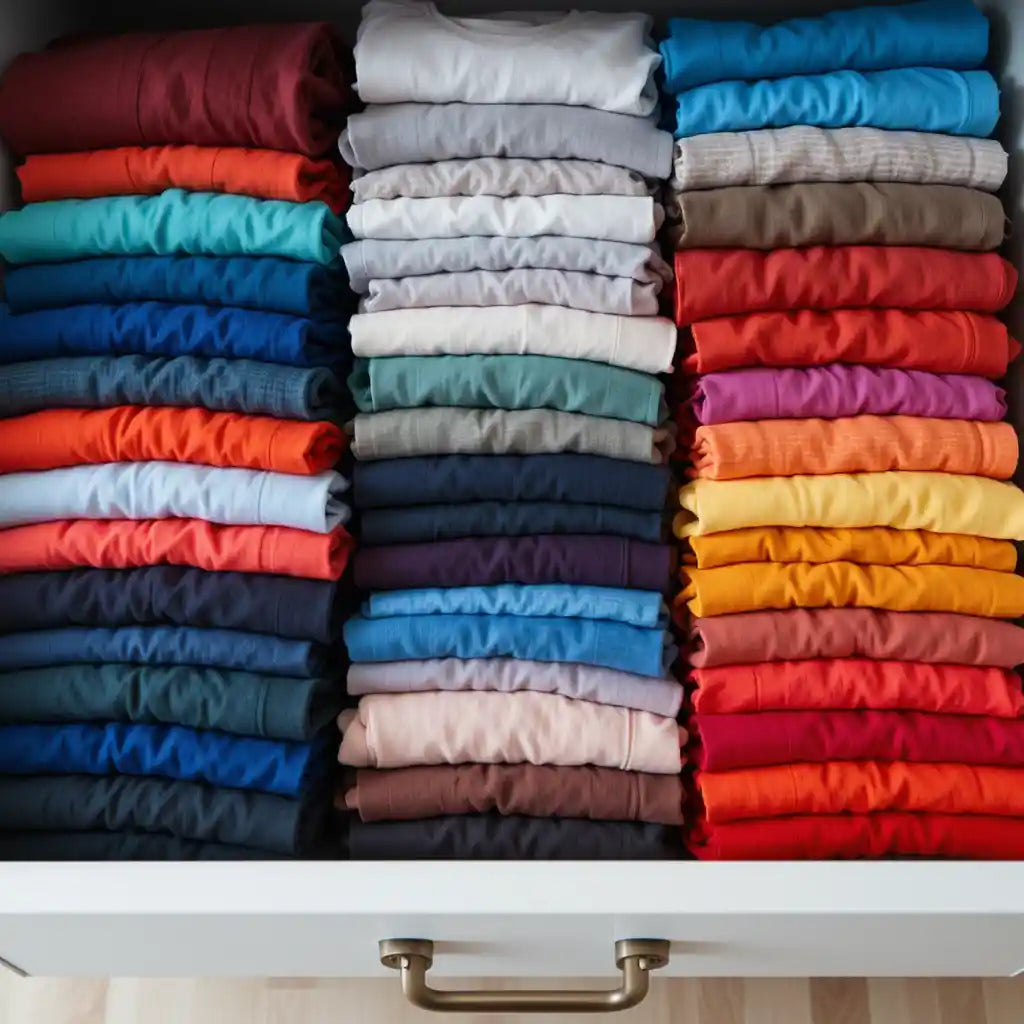
Photo via Havster
No amount of showering stays fresh for long if the clothes going on afterwards are not. Socks and underwear should be changed every single day without exception — they sit against the warmest, dampest areas of the body, and re-wearing them is a direct invitation to fungal irritation and odour. The same applies to gym clothes and anything worn through a long, sweaty day. A clean base layer is the foundation the rest of the outfit‘s freshness is built on.
Fabric choice matters too. Natural, breathable fibres like cotton, linen and wool let air circulate and moisture escape, while synthetic fabrics such as polyester trap heat and sweat against the skin, creating exactly the warm, damp conditions odour-causing bacteria love. That does not mean synthetics have no place — they are useful for workouts — but for everyday wear close to the skin, breathable fibres stay fresher for longer. Storing clothes properly helps as well: fully dry before they go into the drawer, and never packed away damp, or the musty smell sets in before they are even worn.
6. Your Bed and Your Environment: The Hygiene You Sleep In

Photo via Or & Zon
Roughly a third of life is spent in bed, and during those hours sheets and pillowcases absorb sweat, body oils and millions of shed skin cells. Washing bedding weekly in hot water is the standard dermatologists recommend, because it keeps dust mite populations down and removes the buildup that can trigger allergies and breakouts. Pillowcases deserve even more frequent attention than sheets — they press against the face for seven or eight hours a night, and swapping them mid-week is one of the simplest things anyone with acne-prone skin can do.
The same logic extends to the rest of the environment. Bath towels should be washed every few days and hung to dry fully between uses, since a damp towel left bunched up becomes a breeding ground within a day. Hand towels, washcloths and makeup brushes follow the same rule: anything that touches skin regularly needs a cleaning schedule of its own. None of this is glamorous, but it is the part of a hygiene routine that works while nobody is thinking about it — clean sheets, fresh towels and a bedroom that smells like nothing at all.
Final Thoughts
A flawless personal hygiene routine is not a performance and it is not a punishment. It is a set of small, repeatable habits — two minutes of brushing, twenty seconds of handwashing, lotion on damp skin, a weekly sheet change — that quietly compound into feeling comfortable in your own skin all day long. The goal is not perfection on day one. It is a routine that is simple enough to survive a busy week, because the routine that actually happens beats the ideal one that gets abandoned by Wednesday.
The best place to start is wherever the current routine feels thinnest. For some people that is the tongue scraper they keep meaning to buy; for others it is the pillowcase that has not been changed in two weeks. Pick one section, get it right for a week, and then add the next. Freshness is not a single big gesture — it is the sum of small ones, done consistently, until they stop feeling like effort at all.