
How to Get Rid of Acne Scars: A Complete Guide to Clearer, Smoother Skin

Acne itself is temporary, but the marks it leaves behind can linger for months or even years — flat dark spots where a breakout used to be, shallow dents that catch the light, or raised patches that refuse to flatten. They are a normal part of how skin heals after inflammation, and they are also one of the most common reasons people feel self-conscious about their skin, even long after the breakouts have calmed down. The frustrating part is that there is no single cream or treatment that erases every kind of scar, because not every scar is the same thing.
The good news is that most acne scars can be improved a great deal, and some can be faded almost completely, once the approach matches the scar. This guide walks through five things that actually move the needle: identifying the type of scar you have, building a daily routine that fades dark marks, using natural remedies that support healing, knowing when a professional treatment is worth it, and stopping new scars from forming in the first place. None of it works overnight, but all of it works better than hoping the marks disappear on their own.
1. Know What Kind of Scar You’re Dealing With
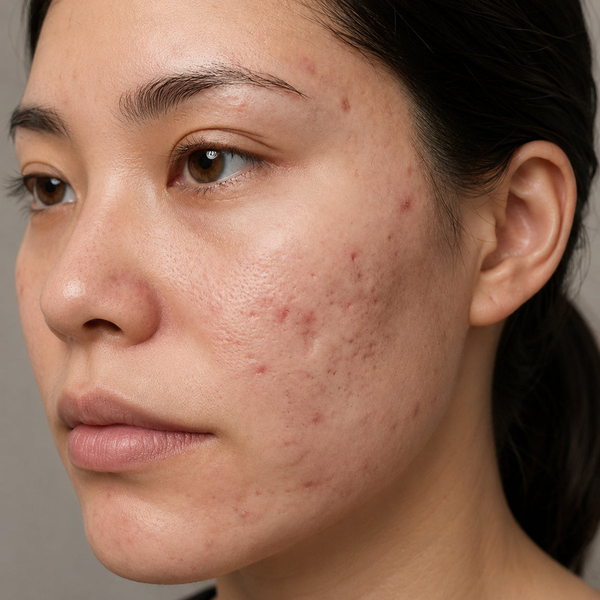
Photo via Svea Skincare
The first step is figuring out what you are actually looking at, because the word “scar” covers three very different problems. Dark spots left after a breakout are usually post-inflammatory hyperpigmentation — flat marks where the skin overproduced melanin while healing. They are not true scars at all, and they respond well to brightening ingredients and time. Indented scars, on the other hand, are real texture changes: narrow ice-pick scars, wider boxcar scars with sharp edges, and rolling scars that give the skin a wavy, uneven look. These form when inflammation destroys collagen faster than the skin can rebuild it.
The third group is the opposite problem — raised scars, where the skin overproduced collagen and left a firm, raised patch. These are more common on the jawline, chest and back, and they need a different approach again. The reason this matters is simple: a vitamin C serum can fade a dark mark beautifully and will do almost nothing for a deep ice-pick scar, while a treatment that rebuilds collagen is wasted on a flat brown spot. A quick look in good daylight, or a single visit to a dermatologist for a proper assessment, saves months of using the wrong product on the wrong problem.
2. Build a Daily Routine That Fades Dark Marks

Photo via Lees Skincare
For flat dark marks, consistency beats intensity every time. A gentle routine built around a few proven ingredients will do more than a shelf full of harsh treatments used in rotation. Start with a mild cleanser that does not strip the skin — a damaged barrier heals more slowly and marks linger longer. In the morning, a vitamin C serum helps brighten existing pigmentation and protects against the free-radical damage that keeps skin looking dull, followed by a light, non-comedogenic moisturiser. Niacinamide, used morning or night, is another quiet workhorse: it calms redness, supports the skin barrier and gradually evens out tone without irritation.
At night, a retinoid is the ingredient with the strongest evidence behind it for scar fading, because it speeds up cell turnover and encourages fresh collagen at the same time. Start slowly — two or three nights a week — and expect some dryness at first. But the single most important step in the whole routine is the least glamorous one: broad-spectrum sunscreen every single morning. Sun exposure darkens post-acne marks and can turn a spot that would have faded in two months into one that lasts a year. Realistic expectations help too — visible fading usually takes eight to twelve weeks of daily use, not a fortnight, and the marks that respond fastest are the newest ones.
3. Natural Remedies That Support Healing
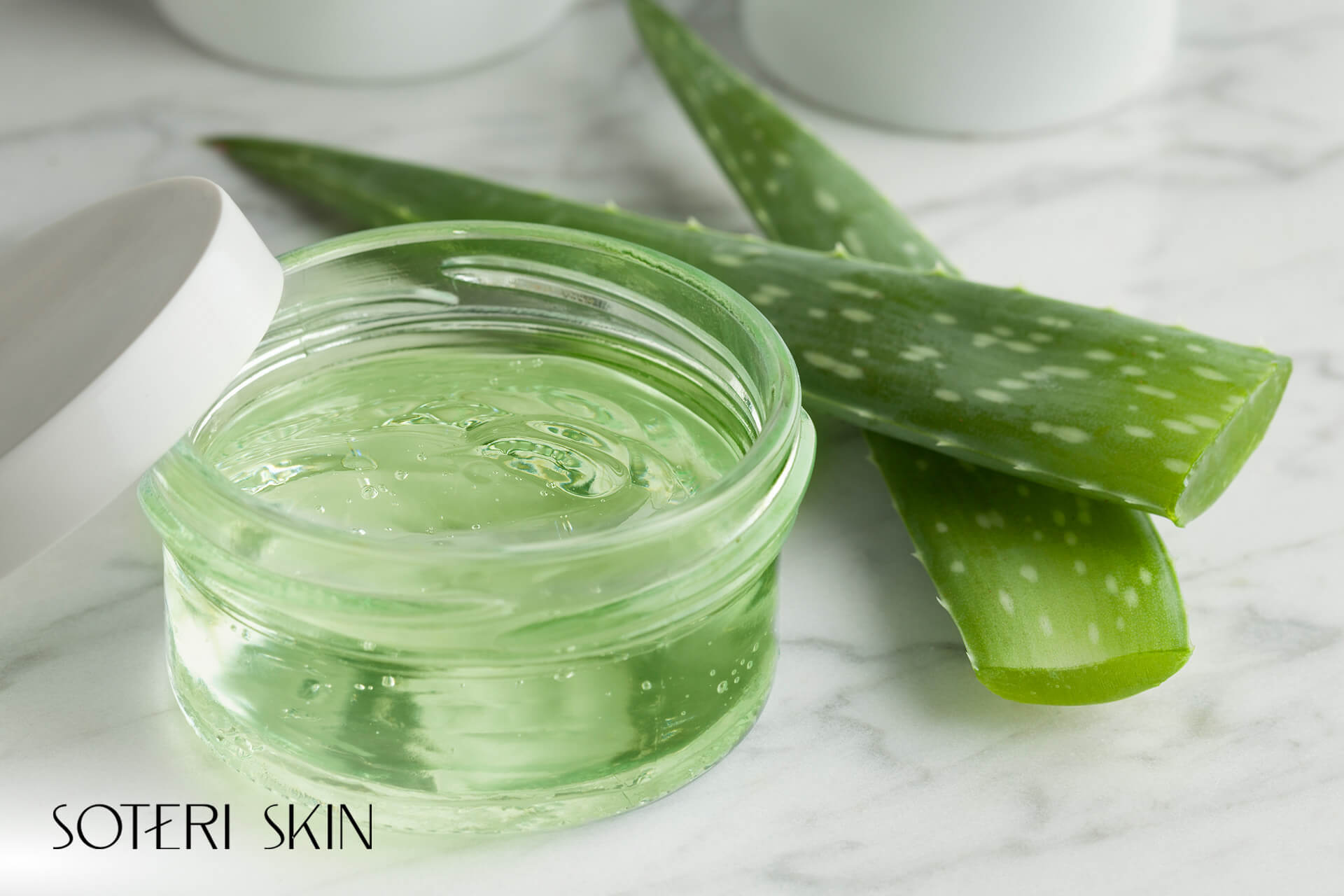
Photo via Soteri Skin
Home remedies will not erase a deep scar, and anyone who promises otherwise is overselling — but a few natural ingredients genuinely support healing and can help mild marks fade a little faster, especially alongside a proper skincare routine. Aloe vera is the best studied of the bunch: fresh gel is cooling, anti-inflammatory and rich in compounds that support skin repair, and applying a thin layer twice a day keeps healing skin calm and hydrated. Raw honey works in a similar way, drawing moisture into the skin while its natural antibacterial properties help keep the area clean, and a simple honey mask a few times a week is one of the gentlest things you can do for post-breakout skin.
Turmeric has a long history in skincare for good reason — its active compound, curcumin, is anti-inflammatory and can help even out tone when mixed with honey into a short face mask, though fair skin should be warned that it can leave a temporary yellow tint. Rosehip oil is another useful one, since it is naturally rich in vitamin A and essential fatty acids that support the skin’s repair process. The honest limits matter here: natural remedies suit mild, surface-level marks and work slowly, and anything acidic — lemon juice, undiluted apple cider vinegar — should be kept well away from healing skin, because it irritates more than it helps. Patch-test anything new on the jawline first, and give each remedy at least a month before judging it.
You may also like: 20 Short Fall Nails That Are Cozy, Chic and Easy to Wear
4. Professional Treatments for Deeper Scars

Photo via FCP Dermatology
When scars are indented or raised, creams and serums eventually hit a ceiling — no topical product can rebuild the collagen that was lost beneath the surface. That is where in-clinic treatments come in, and they have improved enormously in the last decade. Microneedling is often the first recommendation for rolling and boxcar scars: tiny needles create controlled micro-injuries that trigger the skin to produce fresh collagen, gradually lifting shallow dents from below. Most people need three to six sessions spaced a month apart, with a day or two of redness after each one, and the improvement builds slowly over several months rather than appearing all at once.
Laser resurfacing goes further, using fractional CO2 or erbium lasers to remove damaged skin in a fine grid pattern so that new, smoother skin grows in its place — effective for deeper scars, though it comes with a week or so of downtime and a higher price tag. Chemical peels and microdermabrasion sit in the middle ground, exfoliating the surface and encouraging renewal, and they work best for shallow texture and stubborn dark marks. For the deepest ice-pick scars, a dermatologist may suggest punch excision or a small amount of filler to lift the dent. The right choice depends on scar type, skin tone and budget, which is why a consultation matters more than any online before-and-after photo — and why these treatments are worth doing properly, once, rather than cheaply and repeatedly.
5. Stop New Scars Before They Start
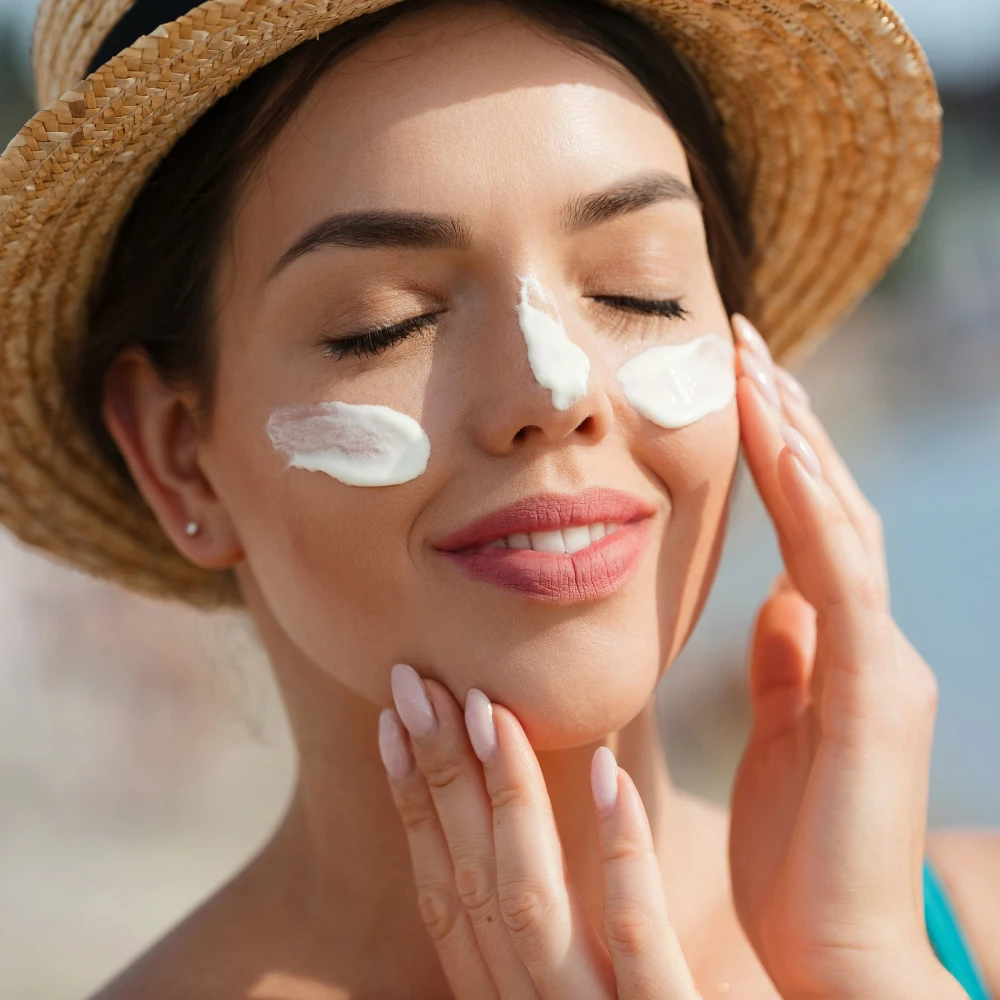
Photo via Well Pharmacy
Every scar that never forms is one less mark to fade, and prevention is far easier than repair. The single biggest cause of new acne scars is also the most avoidable: picking and squeezing. Pressing on a breakout pushes inflammation deeper into the skin, damages collagen and dramatically increases the chance of a lasting mark — a hydrocolloid patch left on overnight does the job of drawing out a spot far more safely than fingers ever will. Treating breakouts early matters too: a gentle salicylic acid cleanser and a spot treatment with benzoyl peroxide, used at the first sign of a breakout, keep inflammation shallow and short-lived.
Daily sun protection is prevention as well as treatment, since UV darkens every mark a breakout leaves behind. And the same logic applies to the body — back and chest acne scar just as easily as facial acne, and they are easy to ignore until the marks are already there. Loose, breathable clothing after workouts, showering soon after sweating, and a salicylic acid body wash a few times a week all help keep back breakouts from turning into back scars. None of this requires a complicated routine. It mostly comes down to leaving spots alone, treating them early, and wearing sunscreen — three habits that cost almost nothing and save months of fading work later.
Final Thoughts
Acne scars are stubborn, but they are rarely permanent — most dark marks fade with a consistent routine and daily sunscreen, and even deeper texture can be improved a great deal with the right professional treatment. The thread running through all of it is patience: skin rebuilds collagen slowly, pigmentation fades gradually, and the people who see the best results are the ones who stick with a simple plan for months rather than switching products every fortnight. Know your scar type, treat it with the right tools, and give your skin the time it needs to do its work.
If the scars are deep, raised or not responding to months of home care, a dermatologist is the next step, not a stronger serum. A single consultation can map out exactly which scars will respond to what, and that clarity is worth more than another year of guessing. Clearer skin is a slow project, but it is a project that genuinely works — one habit, one treatment and one healed breakout at a time.