
How to Get Rid of Under-Eye Bags for Good

Under-eye bags are one of those problems that can make a person look exhausted even after a full night in bed. The skin beneath the eyes is the thinnest on the whole face, so anything that affects fluid, fat or elasticity shows up there first — a late night, a salty dinner, a change in the weather, or simply the slow passage of time. Because the causes are so varied, there is no single cream or trick that fixes every case, and the remedies that work best depend on what is actually going on under the surface.
The good news is that most under-eye bags can be improved a great deal without anything drastic. Eight approaches cover the full range, from the free habits that cost nothing — better sleep, cold compresses, a little less salt — through to the products and treatments worth considering when the bags are structural rather than temporary. Work through them in order, give each one a few weeks, and the mirror starts to tell a different story.
1. Figure Out What’s Actually Causing Them

Photo via Madame Arabia
Not all under-eye bags are the same thing, and treating the wrong cause is the fastest way to waste money on products that cannot help. Puffiness that is worst in the morning and fades by lunchtime is usually fluid: overnight, lymph and water pool in the loose tissue under the eyes, especially after a salty meal or a drink. Bags that never change from morning to night, on the other hand, are more likely to be fat pads that have shifted forward as the ligaments holding them weaken with age, or simply the shape of the face a person inherited.
A quick check helps tell them apart. Press gently on the bag: fluid puffiness feels soft and slightly spongy and may dent for a moment, while a fat pad feels firmer and stays put. Look at family photos, too — if parents and grandparents have the same under-eye shape, genetics are doing most of the work, and creams will only ever soften the edges. Allergies are a third cause worth ruling out: chronic rubbing from itchy, watery eyes breaks down the delicate skin over time and leaves a permanent-looking shadow. Knowing which of these is at play decides everything that follows.
2. Fix Your Sleep First

Photo via Insider Beauty
Sleep is the least glamorous fix and also the most powerful. During deep sleep the body rebalances fluid, repairs the skin barrier and clears away the metabolic waste that accumulates during the day — and the under-eye area, with its thin skin and loose tissue, is where a short night shows up first. Seven to nine hours is the range most adults need, and the difference between six and eight hours is often visible in the mirror before it is felt anywhere else. Consistency matters as much as length: a regular bedtime trains the body to drain fluid on schedule instead of holding on to it.
Position helps too. Sleeping flat lets fluid settle around the eyes overnight, which is why the puffiness is always worst first thing. An extra pillow, or a slightly raised head of the bed, lets gravity do some of the draining while asleep, and sleeping on the back rather than face-down keeps fluid from pooling on one side. A cool, dark room supports deeper sleep, and cutting screens for the last half hour before bed is one of those small habits that pays off disproportionately — the blue light is less of a problem than the stimulation, which keeps the mind churning long after the phone is put down.
3. Reach for Something Cold

Photo via Organic Facts
Cold is the fastest way to take down morning puffiness, and it works on simple physics: low temperatures constrict the blood vessels under the skin, which reduces swelling and tightens the tissue for a few hours. The classic cucumber slice earned its reputation honestly — it is cold, damp and shaped to sit over the eye — but a spoon kept in the fridge, a damp flannel wrung out in cold water, or a gel eye mask from the freezer all do the same job. Ten minutes is enough; longer risks irritating the skin rather than helping it.
Chilled tea bags are the one cold remedy with something extra going on. Green and black tea contain caffeine and tannins, both of which constrict blood vessels and draw out excess fluid, so a cooled, used tea bag pressed gently under each eye combines cold therapy with a mild active ingredient. Whatever is used, the technique matters: light pressure, never rubbing, and always a barrier between ice and skin, since direct ice on the thinnest skin on the face can cause redness and broken capillaries. Cold fixes the morning, not the underlying cause — but on a day when the bags are at their worst, that is exactly what is needed.
You may also like: 20 Mother’s Day Outfit Ideas That Are Just Wow
4. Pick an Eye Cream With the Right Ingredients

Photo via The Australian Women’s Weekly
Eye creams get a sceptical reception, and much of it is deserved — no jar can remove a fat pad or rewrite genetics. But for fluid puffiness and the crepey texture that makes bags look worse, the right ingredients genuinely help. Caffeine is the standout: it constricts blood vessels and encourages fluid drainage, which is why it appears in almost every dedicated under-eye product. Peptides support the collagen that keeps the skin firm, hyaluronic acid plumps the surface so fine lines look softer, and vitamin C brightens the shadowing that often sits alongside the bag.
Application is half the result. The skin under the eye is so thin that rubbing stretches it further, so a pea-sized amount should be tapped in with the ring finger — the weakest finger, which naturally applies the least pressure — working from the inner corner outward. Morning application matters most for puffiness, since that is when fluid is at its peak, and storing the cream in the fridge adds a mild cold-therapy effect for free. Results take weeks, not days, and the honest expectation is a visible softening rather than a disappearance — but for bags caused by fluid and lax skin, that softening is real.
5. Drink Water and Watch the Salt
Photo via Culligan
The relationship between water and puffiness runs the opposite way from what most people expect. Dehydration makes the body hold on to fluid as a protective measure, and the loose tissue under the eyes is one of the first places that retained water shows up. Drinking steadily through the day — rather than gulping a large glass right before bed — signals to the body that it is safe to release the excess, and the morning mirror usually reflects the change within a week or two. Water-rich foods like cucumber, watermelon and leafy greens count toward the same goal.
Salt is the other half of the equation. Sodium pulls water into tissues, and a salty dinner is the most common reason for waking up with noticeably worse bags after an otherwise ordinary night. The effect is strongest in the hours before bed, so the practical rule is simple: keep the evening meal lighter on salt, and go easy on late-night snacks and alcohol, which dehydrate and inflame at the same time. Nobody needs to count every milligram — the goal is a pattern, not perfection — but the people who notice the biggest change from this step are usually the ones who had no idea their evening takeaway was the culprit.
6. Massage the Fluid Away
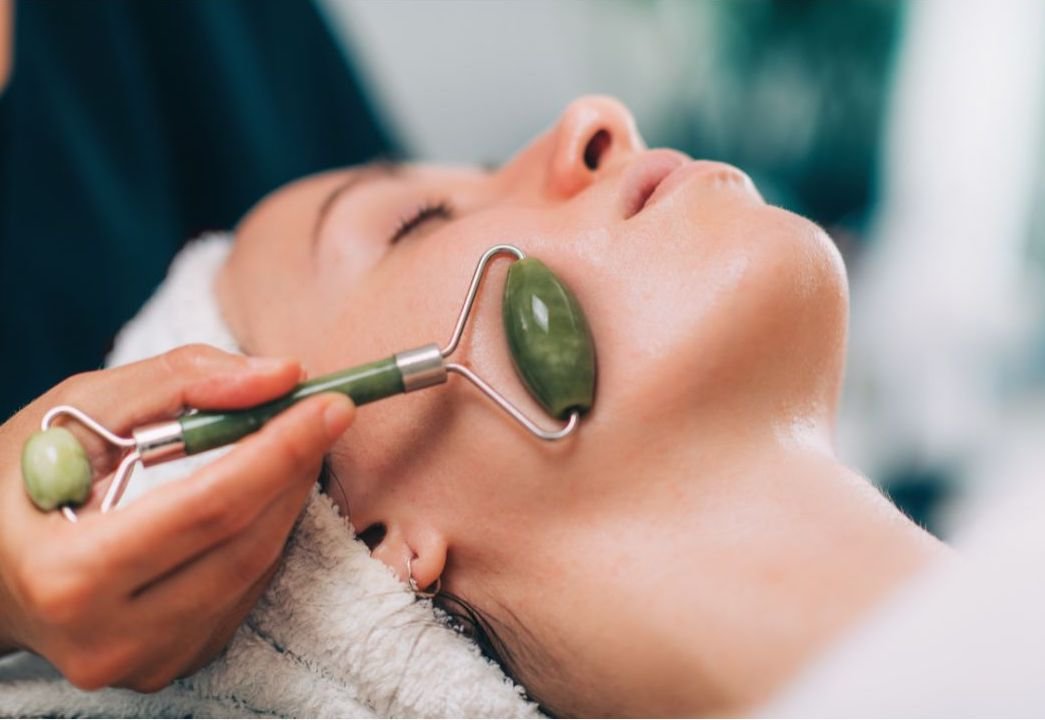
Photo via Thornbury Apothecary
The under-eye area drains through the lymphatic system, which unlike blood circulation has no pump of its own — it relies on movement and gentle pressure to keep fluid flowing. That is why a short massage can make such a visible difference to morning puffiness. With clean hands and a drop of facial oil or eye cream for slip, light sweeping strokes from the inner corner of the eye outward toward the temples, then down the side of the neck, follow the direction the lymph actually flows. The pressure should be barely more than the weight of the fingertips; anything firmer just pushes fluid around without draining it.
Tools make the habit easier to stick to. A jade roller or gua sha stone kept in the fridge combines the massage with cold therapy in one step, and the smooth surface glides without dragging the skin. Two minutes in the morning is enough, and the effect is cumulative — done daily, the drainage pathways stay clearer and the puffiness has less chance to build up overnight. It is a small ritual, but it is one of the few remedies that costs nothing, takes almost no time, and shows results the same morning it is done.
7. Add a Serum and Protect the Skin Every Day

Photo via Inlight Beauty
While eye creams handle the surface, a lightweight serum underneath can address the longer game: the gradual loss of firmness that lets bags form in the first place. Retinol is the ingredient with the strongest evidence here — it speeds up cell turnover and stimulates collagen, which thickens the thin under-eye skin over months of steady use. It needs to be introduced gently, a low strength a few nights a week at first, because the same thinness that makes the area vulnerable also makes it quick to react. A peptide or vitamin C serum in the morning pairs well with it.
None of that work survives without sun protection. UV rays break down collagen faster than almost anything else, and the under-eye area gets full sun exposure every day — sunglasses help, but a broad-spectrum SPF 30 applied carefully around the eyes, plus a hat on bright days, is what actually preserves the skin’s structure over the years. The honest timeline for this step is measured in months: firmer skin does not arrive in a fortnight. But it is the only part of the routine that addresses the cause of bags rather than the symptom, which makes it the most valuable step of all for anyone playing the long game.
8. When Home Remedies Aren’t Enough
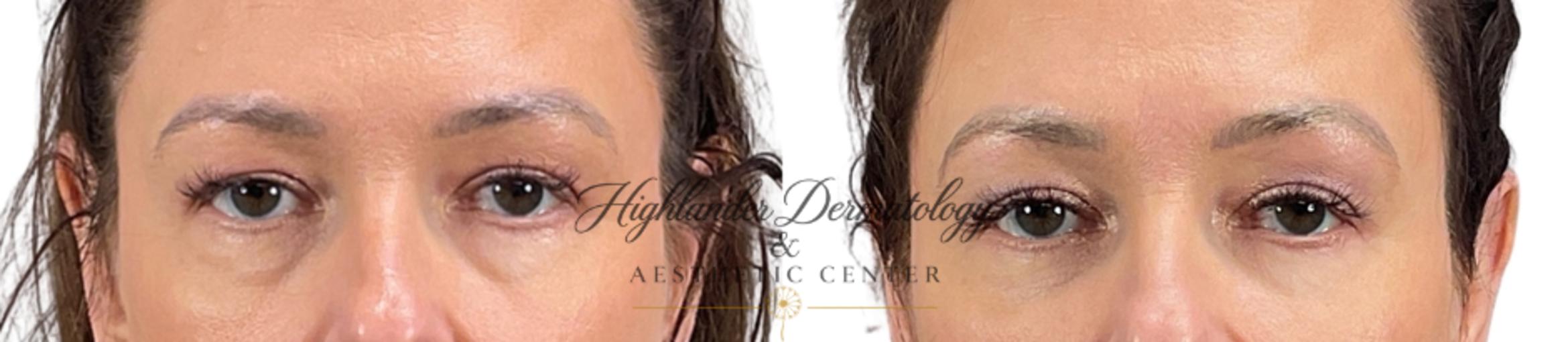
Photo via Highlander Dermatology
Some under-eye bags are structural — a fat pad that has shifted, a hollow tear trough that casts a shadow, or skin that has lost too much elasticity for creams to recover. When every home remedy has been tried honestly for a few months and the bags look the same, it is worth a conversation with a dermatologist rather than another jar of cream. The most common non-surgical option is hyaluronic acid filler placed in the tear trough, which fills the hollow beneath the bag so the whole area reads as one smooth contour instead of a bulge above a shadow. Results are immediate and typically last nine to twelve months.
For bags caused by the fat pad itself, lower eyelid surgery — blepharoplasty — is the only option that removes the excess tissue rather than camouflaging it. It is a short outpatient procedure with about a week of visible bruising, and the results are long-lasting, but it is still surgery, with real costs and real risks, and it deserves a consultation with a board-certified surgeon rather than a decision made from before-and-after photos alone. Laser resurfacing sits between the two: it tightens the skin surface without removing fat, and suits people whose main problem is laxity rather than volume. Whichever route is considered, the right first step is the same — an honest assessment from a qualified professional, not a sales pitch.
Final Thoughts
Under-eye bags are rarely a single problem with a single fix. They are the visible result of sleep, fluid, salt, sun, genes and time all acting on the thinnest skin on the face — which is why the people who see the biggest improvement are usually the ones who work on several fronts at once rather than betting everything on one product. Better sleep and a cold compress handle the mornings; a caffeine eye cream and a daily massage handle the fluid; sun protection and retinol handle the years ahead.
The most important shift is in expectations. Home remedies can soften puffiness dramatically, but they cannot remove a structural fat pad, and no cream can undo genetics. Knowing which kind of bag is in the mirror — and choosing the fix that matches it — is what turns a frustrating cycle of new products into a routine that actually works. Start with sleep and cold tonight, add the rest over the coming weeks, and give it a full month before judging the result.