
5 Ways to Remove Sun Tan and Bring Back Your Natural Glow

A sun tan is the skin’s defence mechanism at work. When ultraviolet rays hit the surface, melanocytes produce extra melanin to shield the deeper layers, and that extra pigment is what shows up as a darker, often uneven tone on the face, neck, arms and hands. It is not permanent — the pigmented cells sit in the outer layers and shed naturally over time — but left alone, a deep tan can take weeks or even months to fade, and it often leaves patchy lines where sleeves, sunglasses or watch straps sat.
The good news is that the fading process can be sped up considerably, and none of it requires harsh bleaching or expensive equipment. Removing a tan comes down to five things: clearing away the pigmented surface cells, slowing down new melanin production, soothing and brightening the skin at home, knowing when a professional treatment is worth it, and — most importantly — stopping new tanning while the old one fades. Used together, they form a routine that works steadily rather than promising overnight miracles.
1. Exfoliate the Tanned Skin Away, Gently
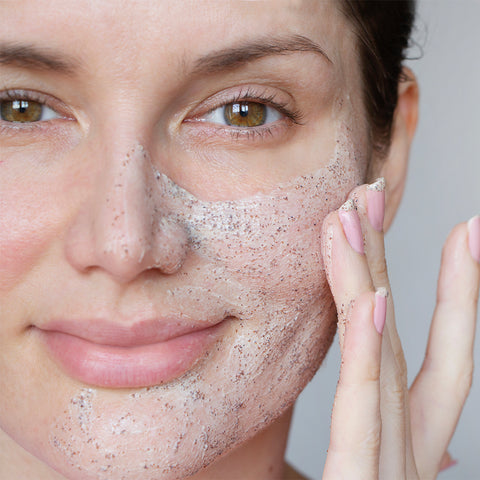
Photo via Faces Canada
Exfoliation is the most direct way to fade a tan, because the tan lives in the outermost layer of skin. As those pigmented cells are lifted away, the fresher, lighter skin underneath comes through. Chemical exfoliants tend to do this more evenly than scrubs: alpha hydroxy acids such as glycolic and lactic acid dissolve the bonds between dead cells, while a gentle enzyme exfoliant works well for skin that is still sensitive from sun exposure. Two or three sessions a week is enough for most skin types.
The temptation is to scrub harder and more often, but over-exfoliation backfires. Raw, irritated skin responds to inflammation by producing more pigment, which can leave the tan looking worse than before, along with redness and flaking. The signs of going too far are easy to spot — stinging when products are applied, a tight shiny feeling, or new breakouts. A light touch, followed by a simple moisturiser, removes the tan faster than an aggressive routine ever will.
2. Add a Brightening Serum to Your Routine
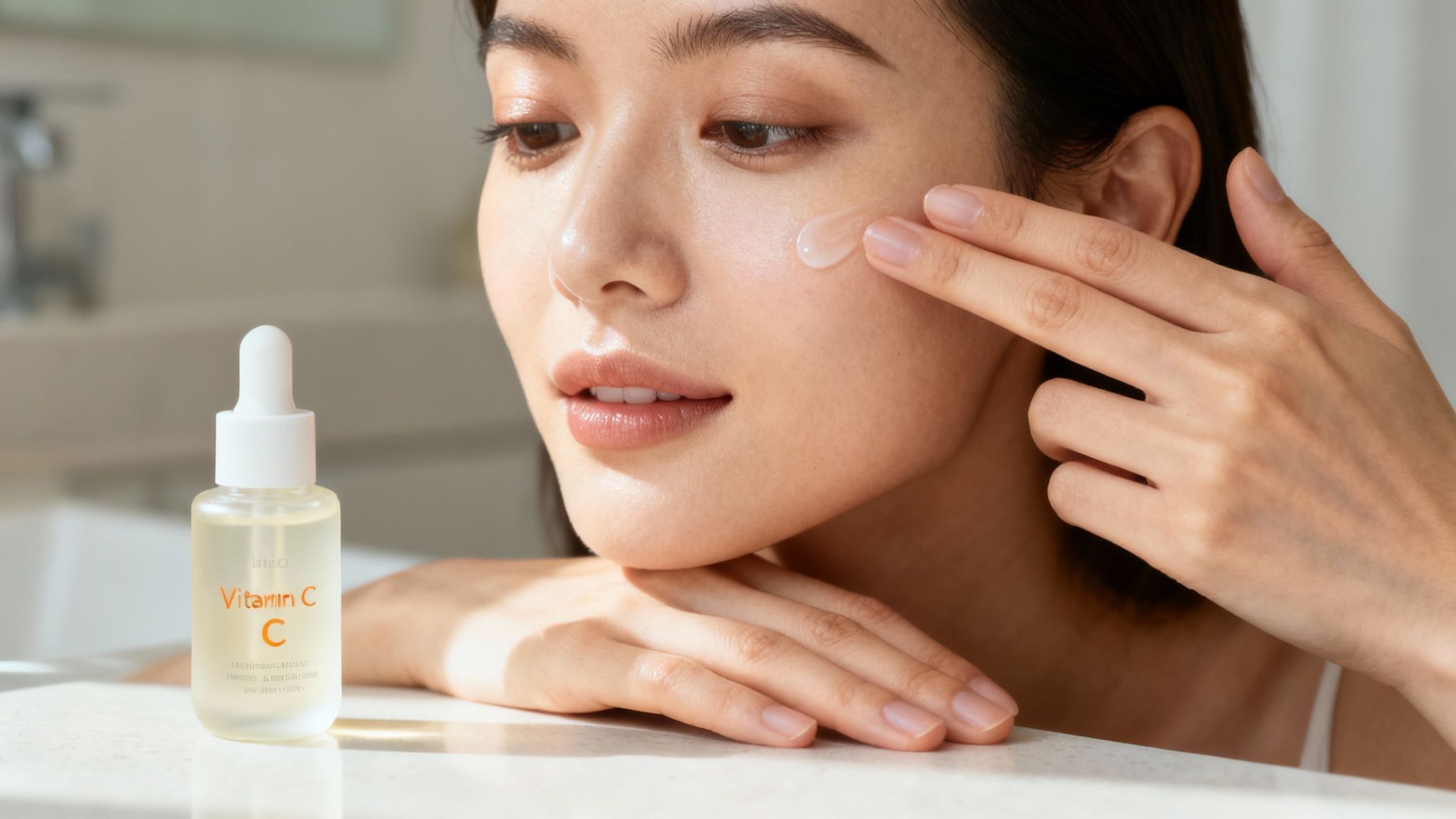
Photo via Lee’s Skincare
While exfoliation removes pigment that is already there, brightening serums work on the supply side, slowing the melanin production that keeps the tan going. Vitamin C is the best-known option: as an antioxidant it neutralises the free radicals triggered by sun exposure and interferes with the enzyme that drives melanin synthesis, which is why it is usually applied in the morning, underneath sunscreen. Niacinamide works differently, blocking the transfer of pigment into the surface cells, and it pairs well with vitamin C in the same routine.
Other ingredients worth knowing about include kojic acid, arbutin and liquorice root extract, all of which target the same melanin pathway from slightly different angles. The honest caveat is timing: brightening serums do not erase a tan in a weekend. Visible lightening usually takes four to six weeks of consistent daily use, because the skin can only turn over so fast. A serum that promises instant results is either a tinted cosmetic or a product to be wary of, not a genuine de-tanning treatment.
3. Try a DIY De-Tan Mask at Home

Photo via Her Beauty
Long before brightening serums existed, kitchens supplied the ingredients for de-tanning, and several of them hold up surprisingly well. Plain yoghurt contains lactic acid, a gentle alpha hydroxy acid that exfoliates while it moisturises, which is why a yoghurt and honey mask left on for fifteen minutes leaves tanned skin noticeably softer and slightly lighter. Turmeric, mixed with yoghurt or milk, adds curcumin, an anti-inflammatory compound traditionally used to even out skin tone — though it can leave a faint yellow tint on very fair skin, so a small test patch first is sensible.
Aloe vera gel is the other home staple worth keeping on hand, particularly right after sun exposure, when the skin is warm and irritated. Its cooling, hydrating effect calms the inflammation that drives further pigmentation, and it layers well under any moisturiser. The ingredient to be careful with is lemon juice: its citric acid can brighten, but applied neat and then exposed to sunlight it can cause a phototoxic reaction that darkens the skin further. Used diluted, at night, and always followed by sunscreen the next day, it is fine — but yoghurt and aloe vera are the safer everyday choices.
You may also like: 20 Chic Ways to Rock Iconic Doc Martens Boots: Outfits for Every Mood
4. Consider a Professional De-Tan Treatment
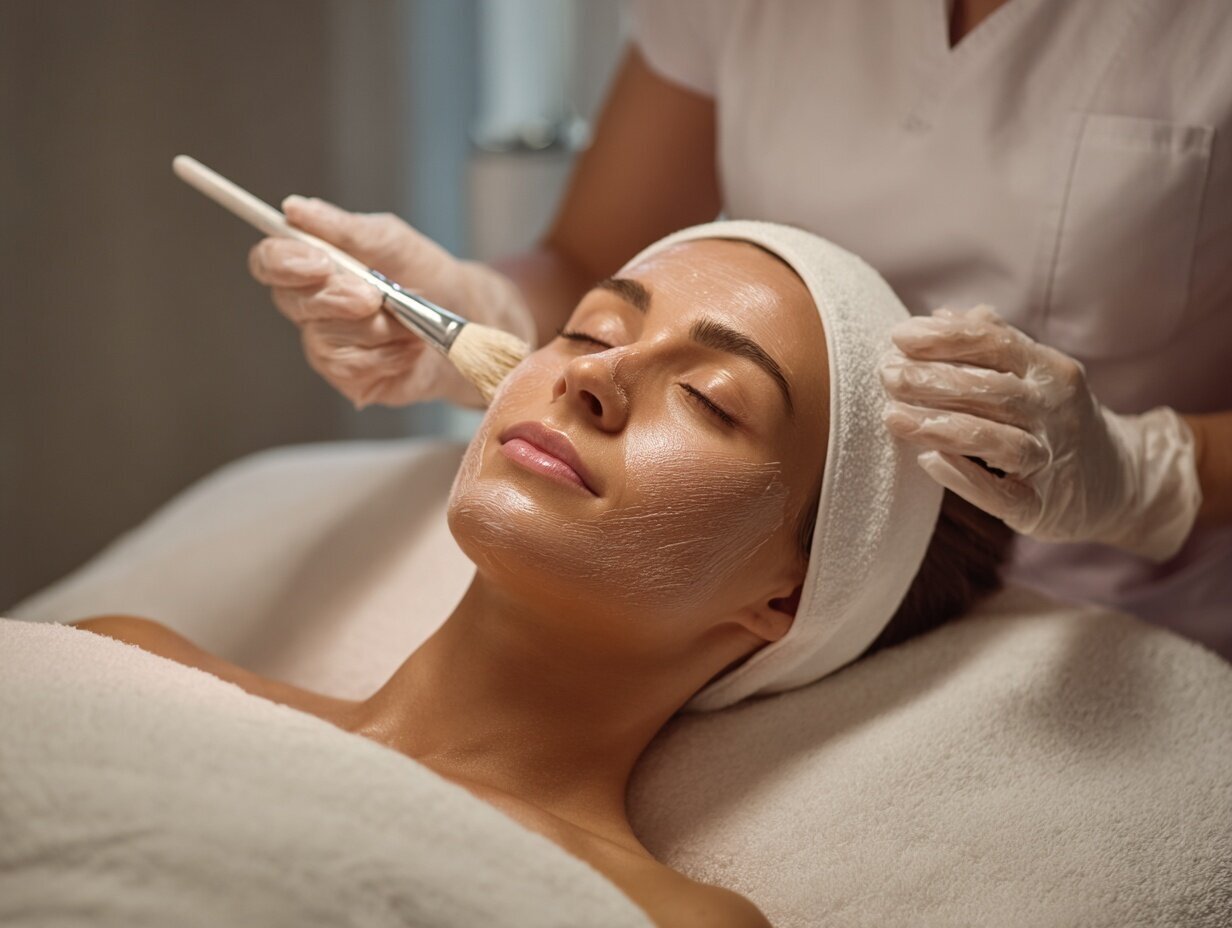
Photo via The Spa Midtown
When a tan is deep, patchy or months old, home care alone can feel slow, and that is where professional treatments earn their place. A light chemical peel — usually glycolic or lactic acid at a concentration far above anything sold over the counter — removes a controlled layer of pigmented skin in a single session, and a series of three or four peels spaced a few weeks apart can clear a stubborn tan noticeably faster than any home routine. Microdermabrasion works on the same principle by mechanical means, buffing away the surface layer with fine crystals or a diamond tip.
Laser treatments sit at the stronger end of the scale and are best reserved for tans that have settled into lasting pigmentation rather than a fresh holiday tan. They target melanin directly and can be very effective, but they also carry a higher risk of post-inflammatory darkening, particularly on deeper skin tones, which is why a consultation and a patch test matter more than the marketing. For most people, a professional de-tan facial or a light peel, done by a qualified esthetician, is the sensible middle ground between home masks and laser.
5. Stop the Tan From Coming Back

Photo via Vocus
Every de-tanning method above is wasted if the skin keeps tanning while it fades. Sunscreen is the single most important step in the whole routine: a broad-spectrum SPF 30 or higher, applied generously to the face, neck, ears and hands every morning, and reapplied every two hours outdoors. Most people apply far too little — roughly a full finger-length of product for the face alone — and a thin, uneven layer can cut the real protection down to a fraction of what the label promises.
Physical barriers do the rest of the work. A wide-brimmed hat shades the face and neck better than any cream, long sleeves and UPF-rated clothing protect the arms without needing reapplication, and sunglasses shield the delicate skin around the eyes. It is also worth remembering that tanning continues on cloudy days and through car windows, since UVA rays pass through both. Daily sunscreen is not just the final step of removing a tan — it is the habit that keeps the results once the tan is gone.
Final Thoughts
Removing a sun tan is a matter of patience rather than intensity. The pigment fades as the skin renews itself, and everything that helps — gentle exfoliation, a brightening serum, a soothing home mask, an occasional professional treatment — works by supporting that renewal rather than forcing it. The routines that fail are usually the ones that go too hard, too fast, and end up irritating the skin into producing even more pigment.
The simplest version of the plan is the one that works: exfoliate a few times a week, use a vitamin C or niacinamide serum daily, reach for yoghurt and aloe vera when the skin needs calming, and wear sunscreen every single day without exception. Stick with that for a month and the mirror will show the difference — not a bleached or artificial lightness, but the skin’s own natural tone, back where it belongs.