
How to Relieve an Itchy Scalp: Gentle Fixes That Actually Calm It

An itchy scalp has a way of taking over the whole day. It starts as a faint tickle at the crown, then turns into a constant awareness that makes it hard to sit through a meeting, enjoy a dinner out, or fall asleep without reaching up to scratch. Dark clothes become a risk, hairstyles feel like a gamble, and the more the itch is scratched, the worse it seems to get. The frustrating part is that the cause is rarely obvious: dryness, dandruff, product irritation and stress can all produce the same maddening urge, and each one wants a different fix.
The good news is that most itchy scalps respond well to a calmer, more deliberate routine — no dramatic overhaul required. The six steps below work in order: first identify what kind of itch is going on, then fix the wash routine, choose a shampoo that matches the problem, add moisture where it is missing, try a few plant-based soothers, and finally change the small daily habits that keep the itch-scratch cycle spinning. Give each change a couple of weeks before judging it, and treat anything severe or stubborn as a reason to see a dermatologist rather than a reason to try harder at home.
1. First, Figure Out What Is Actually Making Your Scalp Itch
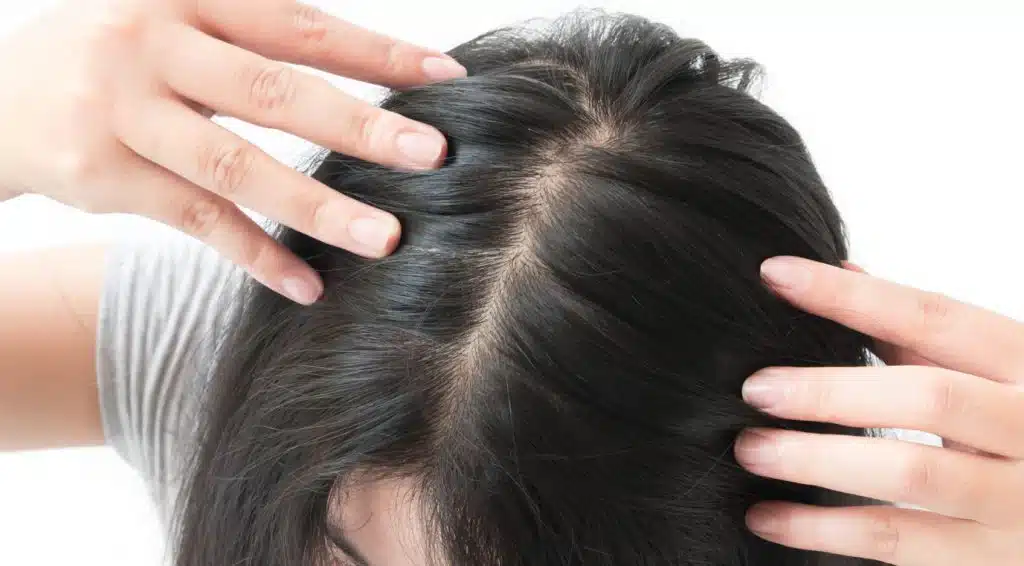
Photo via Dr Hair
An itch is a symptom, not a diagnosis, and guessing wrong is the most common reason home remedies fail. A dry scalp feels tight, especially right after washing, and sheds small, powdery white flakes that drift off the shoulders. Dandruff is the opposite problem: an oily scalp with larger, yellowish flakes that cling to the roots, often with redness around the hairline or behind the ears. Then there are the reactions — a new shampoo, a hair dye, or a strongly fragranced styling product can irritate the skin even after years of trouble-free use, and the itch often starts within a day or two of the change.
A few simple observations narrow it down fast. Check whether the skin elsewhere is dry too, since a truly dry scalp usually travels with dry skin on the legs and hands. Press the fingertips to the scalp the day after washing: greasy roots point toward dandruff, while clean-feeling roots with tightness point toward dryness. Notice whether the itch eases or worsens right after a wash — relief suggests dandruff, while a tighter, itchier feeling suggests the washing itself is stripping the scalp. And some signs skip the guessing entirely: bleeding, yellow crusting, pus, sudden patchy hair loss, or an itch that has not improved after a few weeks of gentle care all deserve a dermatologist’s eyes before anything else.
2. Start Over With a Gentler Wash Routine
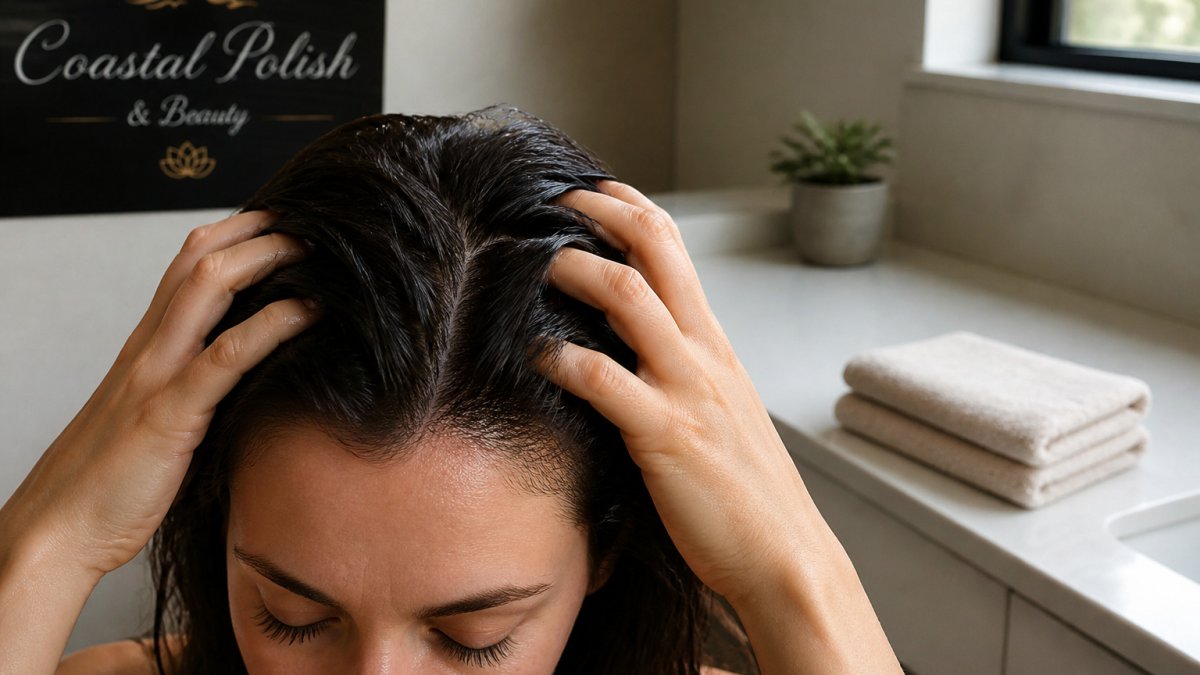
Photo via Coastal Polish & Beauty
How hair gets washed matters as much as what gets washed with, and most people are rougher than they realise. Very hot water feels wonderful on a cold morning, but it dissolves the scalp’s natural lipids and leaves the skin barrier weaker with every shower. Lukewarm water cleans just as well without that stripping effect, and a cooler final rinse helps the cuticle lie flat. Frequency matters too: washing every day with a strong shampoo can dry out a sensitive scalp, while washing too rarely lets sweat, oil and styling residue build up into an itchy layer of its own. Two to three washes a week suits most scalps, adjusted up for heavy workouts and down for very dry skin.
Technique is where the real gains hide. Shampoo belongs on the scalp, not the lengths — the suds running down during rinsing clean the ends well enough on their own. Work it in with the pads of the fingertips in slow circles for a full minute or two, never with the nails, which leave micro-scratches that sting under the next product and invite infection. Rinse longer than feels necessary, lifting the hair so water reaches the nape and behind the ears, because leftover shampoo is one of the most overlooked causes of post-wash itching. Heavy dry shampoo and styling products deserve a break too while the scalp recovers, since buildup sitting on irritated skin only feeds the cycle.
3. Pick a Shampoo That Matches Your Scalp
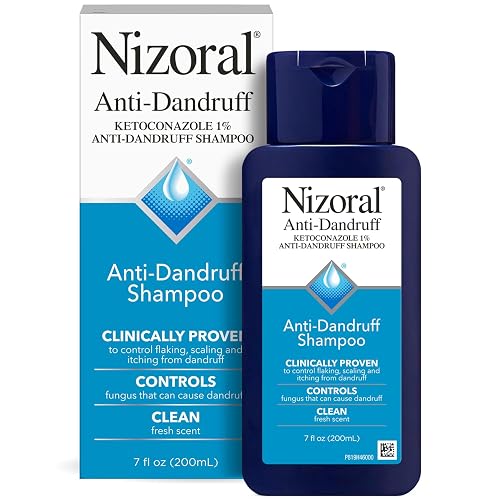
Photo via Your Skin Vision
Once the cause is clearer, the shampoo choice almost makes itself — and this is where matching the active ingredient to the problem pays off. For mild flaking and a general itch, a gentle anti-dandruff shampoo with zinc pyrithione is the usual starting point. Oily, yellowish flakes with redness point toward yeast overgrowth, where ketoconazole or selenium sulfide shampoos do the heavier work. Thick, stubborn scaling responds better to salicylic acid, which softens and loosens the scale so it can wash away. The trick with any medicated shampoo is contact time: lather it in, leave it on the scalp for several minutes, then rinse thoroughly, usually a few times a week until things settle.
Not every itchy scalp needs a medicated formula, though, and using one on plain dryness can make things worse. If the scalp is tight and flaky without oiliness, a mild, fragrance-free, sulfate-free shampoo is the better tool — it cleans without stripping what little moisture the skin has left. Sensitive or reactive scalps do best with the shortest ingredient list available, ideally free of dyes and strong perfume, with any new product patch-tested behind the ear for a day first. On off-days from a medicated wash, that same gentle shampoo keeps the routine simple and gives the scalp a chance to recover between treatments instead of being stripped twice over.
You may also like: 20 Light Wash Jeans Outfits for Cooler Months
4. Feed a Dry Scalp With Hydrating Treatments

Photo via Tata 1mg
When dryness is the main driver, the fix is moisture delivered directly to the skin, not just to the hair. A warm coconut oil massage before washing is the classic move: a tablespoon or two, warmed between the palms, worked into the scalp with the fingertips and left for twenty to thirty minutes, then washed out with a mild shampoo. Jojoba oil suits finer hair better, since its structure closely resembles the scalp’s own sebum and it rinses out without leaving roots heavy. Fresh aloe vera gel offers a lighter option altogether — cooling, hydrating, and especially comforting on tight, irritated patches — while a honey and plain yogurt mask gently exfoliates dead skin and draws moisture in at the same time.
Once or twice a week is plenty for most of these treatments, and consistency matters more than quantity. The common mistakes are going too heavy, which leaves buildup that needs harsh washing to remove, and using oils on the wrong kind of scalp: on a greasy, flaky scalp, adding more oil can feed the yeast behind dandruff and make the itch worse. A patch test on a small area first is worth the day it takes, especially for anyone whose scalp is already reactive. Done right, a regular pre-wash treatment softens the skin barrier enough that the itch fades even in cold weather or air-conditioned rooms, where dry scalps usually suffer most.
5. Reach for Plant-Based Soothers That Earn Their Place

Photo via Coconuts & Kettlebells
For mild symptoms, a few plant-based options have genuine evidence behind them and slot neatly into a routine alongside a good shampoo. A diluted apple cider vinegar rinse — roughly one part vinegar to several parts water, poured over the scalp after shampooing and left for two or three minutes — helps rebalance pH and discourage the yeast that drives dandruff, though it should never go on broken or scratched skin. Tea tree oil, always diluted to a few drops per tablespoon of carrier oil, brings antifungal and antibacterial properties that have shown real results against dandruff in clinical trials. Peppermint oil, similarly diluted, cools the skin and has been shown to reduce itch in some studies, while colloidal oatmeal remains the classic calmer for irritated, eczema-prone skin.
The safety rules here are non-negotiable. Essential oils must always be diluted and patch-tested first — undiluted tea tree or peppermint oil can burn, and an allergic reaction on an already itchy scalp is a miserable trade. Vinegar needs the same respect: neat or over-strong, it stings and dries the skin out further. If redness, stinging or itching increases after any new remedy, stop it immediately and return to the simplest gentle routine rather than pushing through. These remedies support a healthy scalp; they do not replace medical care for psoriasis, eczema, ringworm, or any itch that keeps returning despite weeks of careful home treatment.
6. Break the Itch-Scratch Cycle With Everyday Habits

Photo via Tata 1mg
The itch-scratch cycle is self-perpetuating: scratching feels good for a second, but it breaks the skin barrier, invites bacteria in, and leaves the scalp more inflamed and itchier than before. Breaking it starts with the hands — keeping nails short reduces the damage from unconscious scratching, especially at night, and swapping scratching for gentle fingertip pressure or a slow scalp massage gives the same relief without the harm. Tight hairstyles deserve a rest too, since constant pulling concentrates pressure on small areas of scalp and adds tension to skin that is already irritated. Heat styling should be dialled down as well, always with a protectant, because hot tools dry the scalp out just as surely as hot water does.
The quieter habits matter just as much. Stress tightens the scalp and raises histamine activity, which is why itching often flares during busy or anxious weeks — a short walk, a few minutes of slow breathing, or any regular way of unwinding can take the edge off a flare. A diet with healthy fats, B vitamins and zinc supports the skin barrier from the inside, and clean tools help on the outside: brushes and combs pick up oil, flakes and microbes, so a weekly wash keeps them from re-depositing all of it, and a fresh pillowcase every few days does the same for the hours spent asleep. For bad moments, a cool compress on the scalp for a few minutes, or an over-the-counter anti-itch lotion made for the scalp, can carry the day while the longer-term changes take hold.
Final Thoughts
An itchy scalp rarely needs an aggressive fix. It needs the right diagnosis, a gentler wash, a shampoo chosen for the actual problem, moisture where it is missing, and a few habits that stop the scratching from undoing all of it. The pattern that works is almost always the same: simplify first, add one change at a time, and give each change a few weeks to show what it can do before moving on to the next.
The payoff is more than comfort. A calm scalp holds a hairstyle better, sheds fewer flakes onto dark clothes, and stops demanding attention at the worst moments. Start with the cause, be patient with the routine, and get a professional opinion when the signs say it is time — a comfortable scalp is usually a few quiet weeks of kind habits away.