
Before-Bed Beauty Routine: Nighttime Habits That Help You Wake Up Glowing

The last thirty minutes of the day are the most underused beauty window most people have. While the body sleeps, skin cells repair themselves, hair recovers from heat and friction, and the nervous system finally stops running on adrenaline. None of that happens by accident, though. A few deliberate habits before bed decide whether the morning mirror shows rested, hydrated skin or the same tired face that went to sleep the night before.
The good news is that a proper nighttime routine does not need a twelve-step shelf or an hour of free time. Six habits cover almost everything that matters: a real cleanse, a few well-chosen skincare layers, lip care, a little protection for the hair, moisture for the hands and feet, and the sleep itself. Each one takes only a few minutes, and together they turn the hours of sleep into the hardest-working part of a beauty routine.
1. Wash the Day Off Your Face

Photo via DFRow
Makeup, sunscreen, pollution and a full day of touching the face all end up sitting on the skin by evening, and sleeping in that layer is one of the fastest ways to dull skin and clogged pores. A single quick wash rarely removes all of it, especially on days with long-wear foundation or water-resistant sunscreen. That is where double cleansing earns its place: an oil-based cleanser first to dissolve makeup and sunscreen, then a gentle water-based cleanser to wash away the residue and the day’s grime underneath.
The details matter as much as the products. Lukewarm water keeps the skin barrier calm, while hot water strips it and leaves the face tight and reactive. A cleanser should leave the skin feeling clean but comfortable, never squeaky or dry, and the neck deserves the same attention as the face — it shows age and sun damage just as readily. On the nights when a full wash feels impossible, micellar water on a cotton pad is a genuine second best, because a partial cleanse still beats sleeping in the day.
2. Feed Your Skin While You Sleep

Photo via Beauty and Blog
Clean skin at night is unusually receptive. With no sunscreen, makeup or daytime pollution in the way, and with cell turnover at its peak during sleep, the products applied before bed work harder than anything applied in the morning. A hydrating toner or essence first gives the skin a base of water to hold onto, and a serum on top can target whatever the skin actually needs — retinol for fine lines, hyaluronic acid for dryness, niacinamide for uneven tone. One well-chosen serum used consistently beats a shelf of half-finished bottles.
Whatever goes on last is what locks everything in. A moisturizer or night cream seals the lighter layers underneath so their water does not evaporate into the bedroom air, and very dry skin benefits from a drop or two of facial oil pressed over the top. The eye area needs its own step: the skin there is thinner than anywhere else on the face, so a dedicated eye cream, dabbed on gently with the ring finger rather than rubbed, is worth the extra thirty seconds.
3. Give Your Lips Some Overnight Care
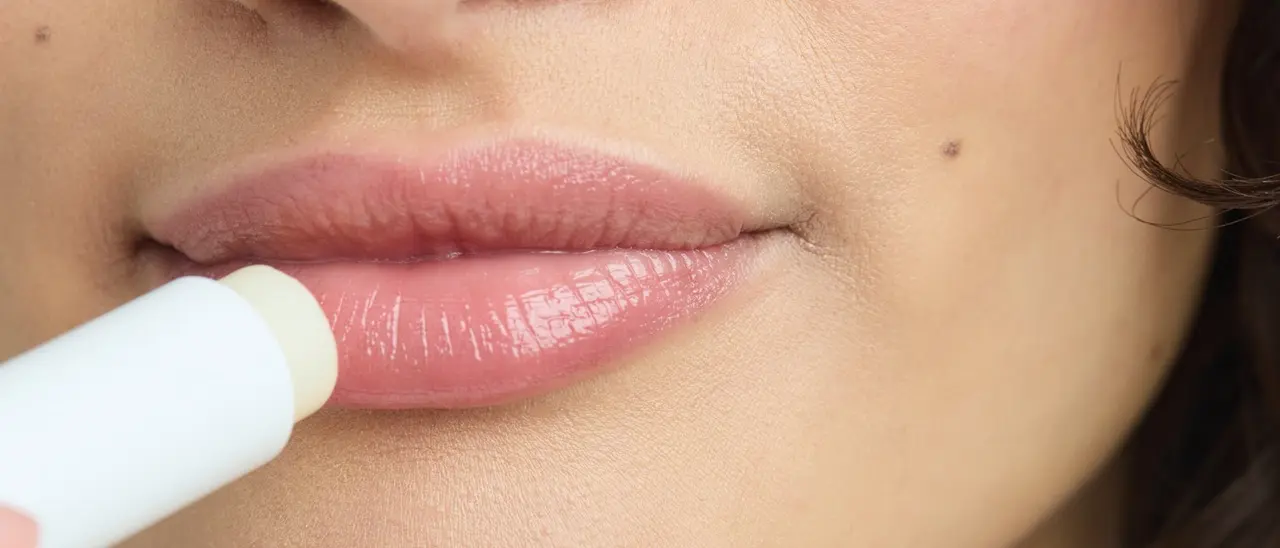
Photo via NIVEA
Lips have no oil glands of their own, which is why they dry out faster than any other part of the face — and a night of breathing through the mouth or sleeping in heated, dry air makes it worse. Waking up with flaky, tight lips usually means the lips went to bed unprotected. A gentle exfoliation once or twice a week, with a sugar scrub or even a soft damp toothbrush, clears the dead skin so that moisture can actually reach the surface underneath.
The nightly step itself is simple: a thick layer of lip balm or an overnight lip mask before lights out. Richer formulas with shea butter, lanolin or ceramides hold up through the night far better than a waxy stick, and a honey mask is a surprisingly effective occasional treat for very dry lips. The payoff shows up in the morning, when lipstick goes on smoothly instead of catching on every dry patch.
You may also like: 20 Playful Neon Football Game Outfits That Glow Under the Stadium Lights
4. Protect Your Hair Before You Lie Down

Photo via Yorkshire Pudd
Eight hours of tossing against a cotton pillowcase is a lot of friction for hair that has already spent the day under sun, styling tools and weather. A quick, gentle brush before bed detangles the day’s knots and spreads the scalp’s natural oils down the lengths, which keeps the ends from drying out. Working from the ends upward, rather than dragging a brush from the roots, avoids the breakage that turns into frizz by morning.
What the hair sleeps on matters just as much. A silk or satin pillowcase lets strands glide instead of catching, which means less frizz, fewer snapped hairs and a style that survives the night in better shape. Long hair does best gathered loosely — a soft braid or a loose top bun keeps it contained without the tension of a tight elastic, and a braid has the added benefit of soft, natural waves in the morning. A little leave-in conditioner or a drop of hair oil on the ends turns the whole night into a low-effort deep treatment.
5. Moisturize Hands, Feet and Dry Spots
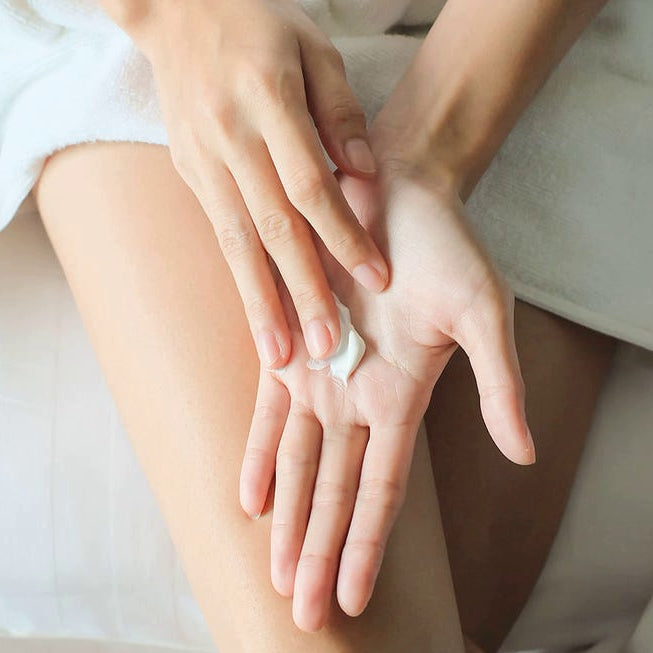
Photo via Fork and Melon
The face gets all the attention, but the hands and feet are the parts of the body that actually show their age first. Hands spend the day in water, soap and cleaning products, and the skin on the back of them is thin enough to wrinkle early. A rich hand cream massaged in before bed — including the cuticles, which crack and peel when they dry out — gives the skin hours of undisturbed time to absorb, without the next handwash undoing it minutes later.
Feet deserve the same treatment, and nighttime is the only time it is practical. A thick foot cream, followed by a pair of soft socks, keeps the moisture sealed in all night instead of rubbing off on the floor; it looks slightly ridiculous and works remarkably well. The same logic applies to the easy-to-forget dry spots — elbows, knees and shins — which stay smooth with a quick pass of whatever body lotion is already on the nightstand.
6. Set the Stage for Real Beauty Sleep

Photo via Circe Home
No serum can compensate for a short night. The body does most of its repair work during deep sleep, and seven to nine hours is the range where skin, hair and mood all visibly benefit. The room itself does half the work: cool, dark and quiet tells the body it is safe to switch off, and a small wind-down ritual — dim lights, a candle, a book instead of a screen — gives the mind a clear signal that the day is over. Sleeping on the back, where possible, also spares the face a night pressed into a pillow, which over years shows up as sleep lines.
A few small additions make the room work even harder. A humidifier in dry or winter air keeps skin from losing moisture to the bedroom overnight, and a silk eye mask blocks stray light while being gentler on the delicate skin around the eyes than a cotton one. A glass of water earlier in the evening helps, too — just not so late that it means a midnight trip to the bathroom. The routine is not about perfection; it is about giving the body’s overnight repair shift the best possible conditions.
Final Thoughts
A before-bed beauty routine does not need to be long, expensive or complicated to work. The six habits here — cleansing properly, layering a few good products, caring for the lips, protecting the hair, moisturizing the hands and feet, and actually sleeping well — take less than twenty minutes combined, and most of them become automatic within a week. Consistency is what turns them from a one-night experiment into visible change.
The real shift is in how the evening is treated. Instead of the last hour of the day being a scroll through the phone until sleep wins, it becomes a short ritual that closes the day properly. Start with the two habits that feel easiest tonight, add the rest over the coming week, and the morning mirror will start telling a different story.