
The Clear Skin Cheatsheet: Six Simple Habits for a Calmer, Clearer Face

Clear skin is rarely the result of one miracle product. More often it comes from a small set of unglamorous habits repeated every day: cleansing gently instead of harshly, protecting the skin barrier instead of stripping it, and giving active ingredients enough time to work before declaring them useless. The shelves are full of serums that promise overnight transformation, but skin works on a cycle of roughly four weeks, and no bottle can negotiate that timeline down.
This cheatsheet keeps things simple on purpose. Six habits cover the whole picture: understanding what kind of skin is being dealt with, a morning routine built around protection, a night routine built around repair, a plain-English guide to the actives that actually do something, the everyday lifestyle factors that show up on the face, and a weekly reset that keeps everything on track. None of it requires a twelve-step routine or a second mortgage.
1. Figure Out Your Skin Type Before You Buy Anything
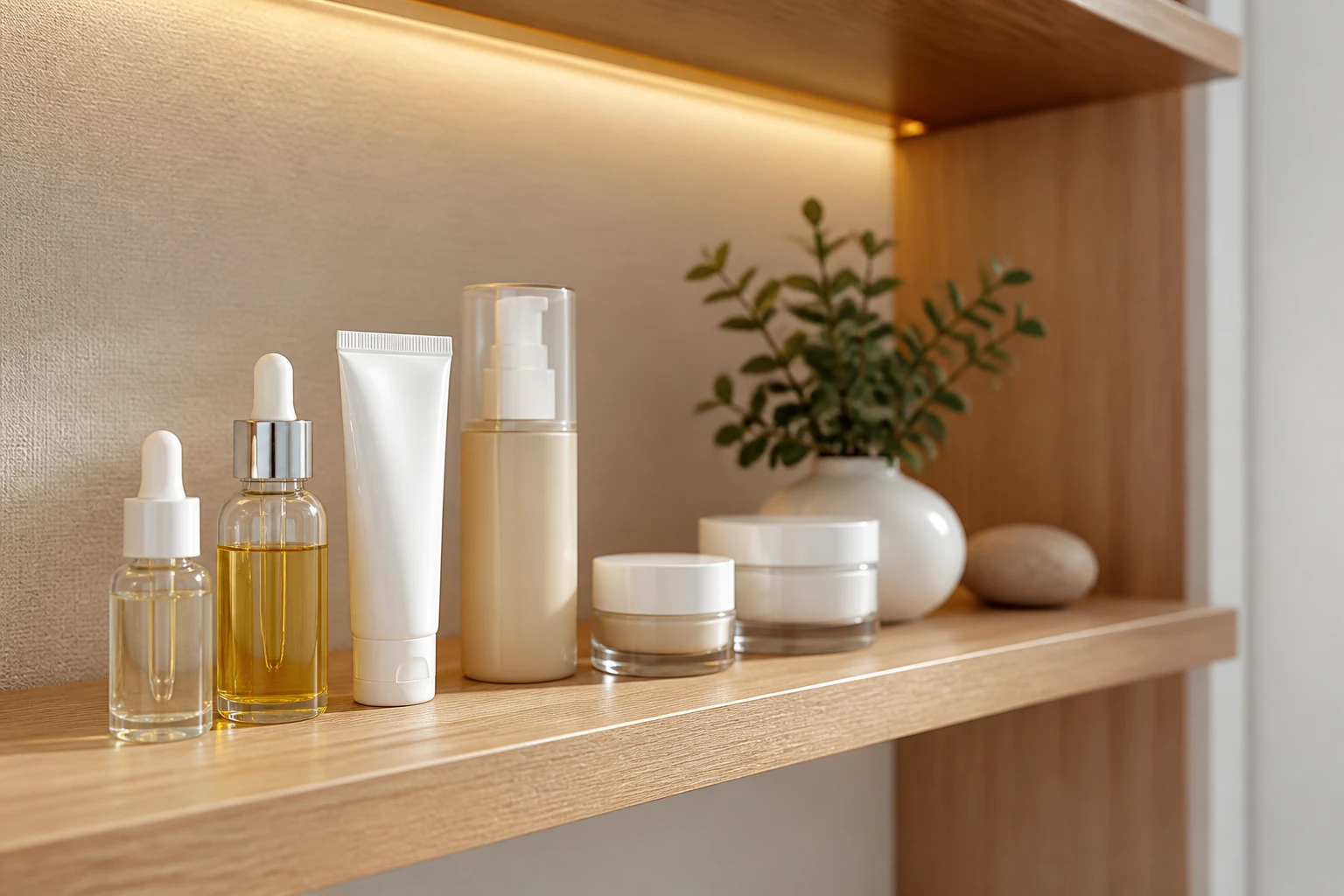
Photo via Flavia Chehin
Most skincare frustration starts with a mismatch: a foaming cleanser meant for oily skin used on a dry, reactive face, or a rich cream layered onto skin that is already producing plenty of its own oil. The simplest way to tell is the bare-face test. Wash with a gentle cleanser, pat dry, and wait an hour without applying anything. Skin that feels tight and looks dull is dry; skin that shines across the forehead and nose is oily; shine only in the T-zone with normal cheeks means combination; and skin that stings, flushes or reacts to new products is sensitive, whatever else it does.
Knowing the answer changes every purchase that follows. Oily skin tends to do better with gel textures and lightweight, oil-free moisturisers, while dry skin needs cream textures and ingredients that hold water in, like glycerin and hyaluronic acid. Sensitive skin benefits most from short ingredient lists and fragrance-free formulas. Combination skin can be treated in zones rather than forcing one product to serve the whole face. The point is not to collect a label but to stop buying products designed for someone else’s face.
2. The Morning Routine That Actually Matters

Photo via Style Weekender
Mornings are for protection, not repair. A gentle rinse or a mild cleanser removes the night’s oil and leftover product, and then the two steps that genuinely matter are moisturiser and sunscreen. Sunscreen is the single most effective anti-ageing and anti-dark-spot product in existence, and it works only when it is worn every day, in every season, in a broad-spectrum SPF 30 or higher. The common reason people skip it is texture, so finding a formula that feels comfortable under makeup is worth more than chasing the highest SPF number on the shelf.
A vitamin C serum in the morning is a useful bonus rather than a necessity: it helps defend against environmental damage and can brighten the look of dull skin over time, but it is no substitute for sunscreen. The morning routine should take about three minutes. Anything longer usually means products are being layered for the sake of the ritual rather than the result, and over-layering in the morning is one of the quieter causes of midday breakouts and pilling under makeup.
3. The Night Routine That Does the Heavy Lifting

Photo via Puro Obagi
Night is when skin repairs itself, and the routine should be built around getting out of its way. The first step is removing the day properly. On days with sunscreen and makeup, a double cleanse — an oil-based cleanser first to dissolve sunscreen and sebum, then a gentle water-based cleanser — clears the skin far more thoroughly than a single wash, and it does so without the harsh scrubbing that damages the barrier. Skipping this step is the fastest route to clogged pores, because sunscreen is designed to stay put.
After cleansing, night is the right time for treatment products: retinoids, exfoliating acids and richer moisturisers all belong here, when the skin is not also fighting sun and pollution. The order is simple — thinnest to thickest — and the amount matters more than the number of products. A pea-sized amount of a retinoid, a few drops of serum and a proper layer of moisturiser will do more than a shelf of half-used bottles. Skin that feels tight or stingy after the night routine is being over-treated, and the honest fix is fewer actives, not more.
You may also like: 20 Spooktacular Halloween Nails 2026 to Try
4. Actives, Decoded: What Each One Actually Does
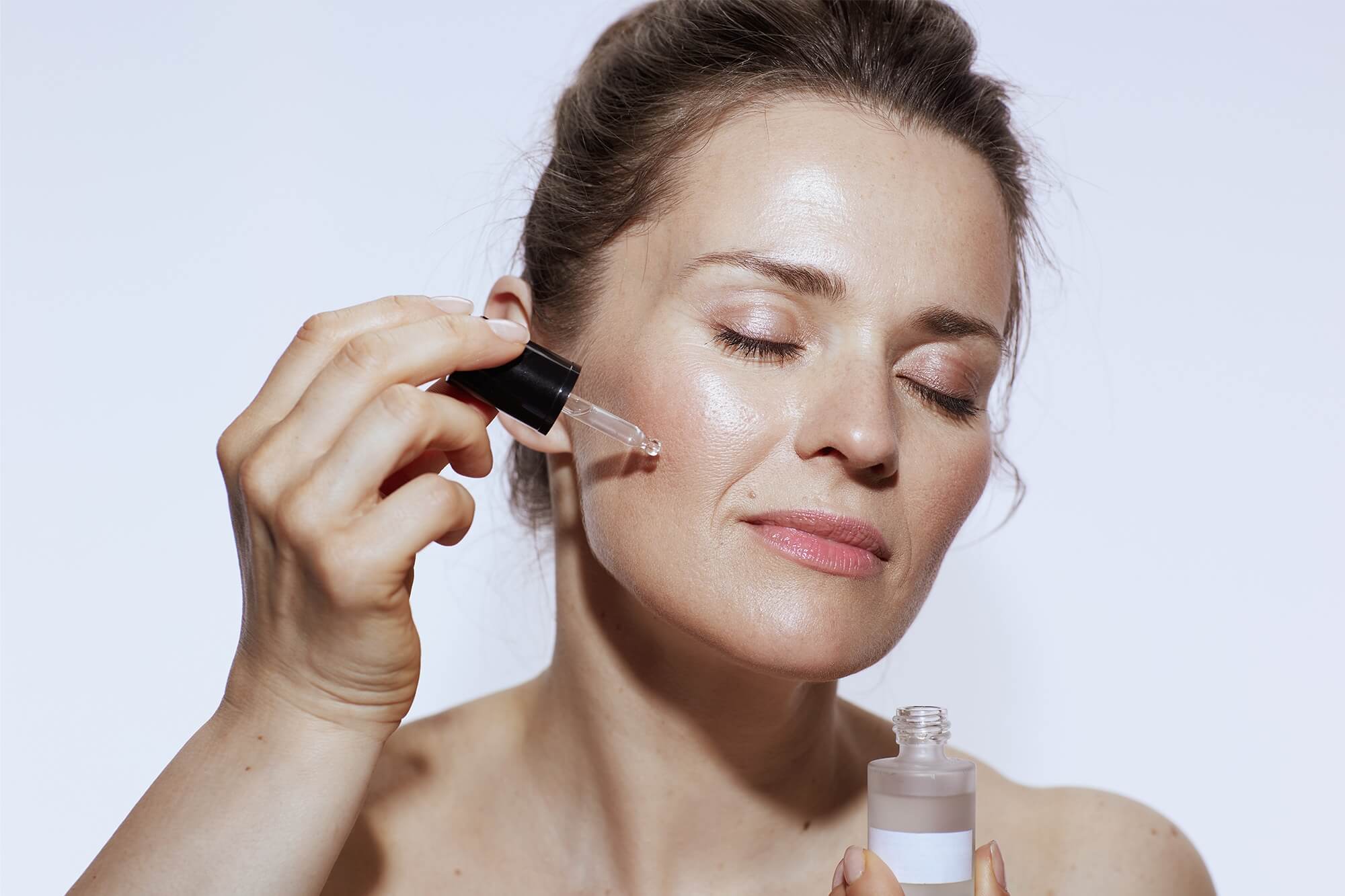
Photo via Topestetic
The active ingredients worth knowing fit on one short list. Salicylic acid, a beta-hydroxy acid, dissolves oil inside the pore and is the most useful single ingredient for blackheads and oily, breakout-prone skin. Niacinamide calms redness, supports the barrier and helps regulate oil without irritation, which makes it one of the easiest actives to add to any routine. Retinoids speed up cell turnover and are the best-supported ingredients for texture, fine lines and post-breakout marks, though they demand patience and a slow introduction. Azelaic acid is the quiet overachiever: it calms redness, fades marks and suits skin that cannot tolerate stronger acids.
The mistakes are almost always the same: starting three actives at once, using them every night from day one, and mixing strong acids with retinoids in the same routine. One new active at a time, two or three nights a week to start, with at least four weeks before judging it, is the pace that actually works. Purging — a temporary flare of small breakouts when cell turnover speeds up — is real but should settle within a few weeks; irritation that burns, peels and spreads is not purging, and the product should be paused, not pushed through.
5. What You Eat, Drink and Touch Shows Up on Your Face

Photo via Fair Skin Experts
Skin is not sealed off from the rest of life. Dehydration shows up as dullness and fine lines that look worse than they are, and while drinking water will not cure acne on its own, consistently low fluid intake makes every other skin problem look a little worse. Diets heavy in refined sugar and dairy are linked to breakouts in some people, though the effect is individual — the honest approach is to notice patterns over weeks rather than blaming a single meal for a single spot. Sleep matters more than either: the skin’s repair work peaks overnight, and a week of short nights is visible in the mirror before it is felt anywhere else.
Then there is everything that touches the face all day. Phone screens pressed against the cheek transfer bacteria and oil, pillowcases collect a week’s worth of product and sebum, and hands that rest on the chin all afternoon do the same. Changing pillowcases twice a week, wiping the phone down, and keeping hair products off the forehead along the hairline are small, free habits that remove a surprising amount of breakout fuel. None of them is glamorous, which is exactly why they get skipped in favour of another serum.
6. The Weekly Reset: Masks, Exfoliation and Patience

Photo via Sensatia Botanicals
Once or twice a week, the daily routine gets a small upgrade. A clay mask draws out excess oil and gives congested skin a visible reset, while a hydrating sheet mask suits dry or stressed skin that needs moisture rather than deep cleaning. Chemical exfoliation — a leave-on acid used once a week — removes the dull surface layer more evenly than a scrub, which is worth retiring: physical scrubs create micro-tears and uneven results, especially on sensitive or acne-prone skin. The weekly reset is also the right moment to check in honestly. Is the skin calmer than last month, or is it being asked to tolerate too much?
The hardest part of the whole cheatsheet is the last ingredient: patience. Skin renews itself roughly every four weeks, so no routine can fairly be judged before six to eight weeks of consistent use. The urge to swap products every time a new spot appears is understandable, but it resets the clock every time and makes it impossible to know what actually helped. A routine that is boring, consistent and gentle will outperform an exciting one that changes every fortnight — every single time.
Final Thoughts
Clear skin is not a secret held by people with better genes or bigger budgets. It is the result of a short routine done consistently: know the skin type, protect it in the morning, cleanse and repair it at night, use one or two actives properly, and pay attention to the everyday habits that touch the face. The cheatsheet fits on one page because the truth is that simple — the hard part was never knowing what to do, it was doing it long enough to see the result.
The best place to start is the smallest change: sunscreen every morning, a proper cleanse every night, and a pillowcase changed more often than the seasons. Add one active, wait six weeks, and judge the routine by the mirror rather than the marketing. The face has been waiting for consistency, not for another product — and consistency is free.