
20 Tips to Grow Nails Fast and Stronger

Long, strong nails rarely come from one miracle product. They come from small daily habits that protect the length already there while new growth travels up from the base. Nails grow slowly, roughly a millimetre a week, so every break, peel or snag wipes out weeks of progress in a second. The real trick is retention: keeping the nail intact long enough for that slow growth to show.
The twenty tips below cover the whole routine, from cuticle oil and filing technique to gloves, base coats, food and gentle removal. None of them needs an expensive kit or a salon appointment every week. Pick three or four to start with, let them become automatic, and the length follows.
1. Oil Your Cuticles Every Day
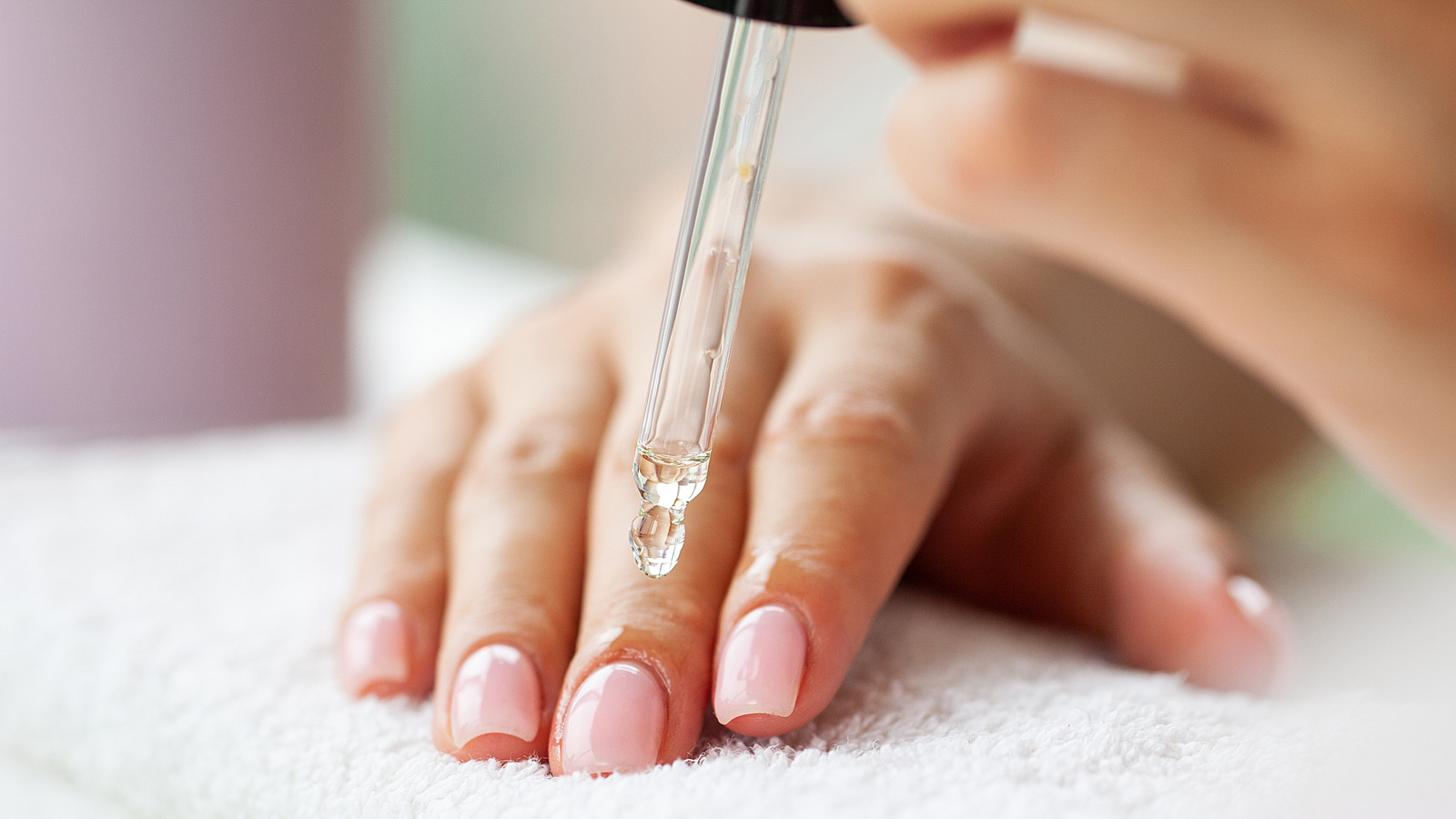
Photo via Mobile Nail New York
Cuticle oil is the single most useful product in a nail-growth routine. The skin around the nail seals the matrix underneath, where new nail is made, and when that skin dries out it cracks, pulls back and leaves tiny tears that catch on fabric and turn into hangnails. A drop of oil massaged into each cuticle keeps the tissue soft and flexible, so the seal stays intact.
You may also like: 20 Chic Chunky Loafer Outfits You’ll Love: Styling Ideas for Every Season
Jojoba oil works well because its structure is close to the skin’s own oils, but almost any plain plant oil does the job. The brand matters far less than the habit. One drop per nail, rubbed in for a few seconds, is enough, and the best time is right after washing hands, when the nail is slightly damp and the oil can lock that moisture in.
You may also like: 20 Cute Ice Skating Outfit Ideas for Effortless Style on the Ice
Keep the bottle somewhere visible, next to the soap or on a bedside table. Out of sight, it never gets used, and a bottle that sits in a drawer for six months helps no one.
You may also like: 20 Dress Like an Italian It-Girl Outfits for a Summer of La Dolce Vita
2. Keep Cuticle Oil Where You Wash Your Hands
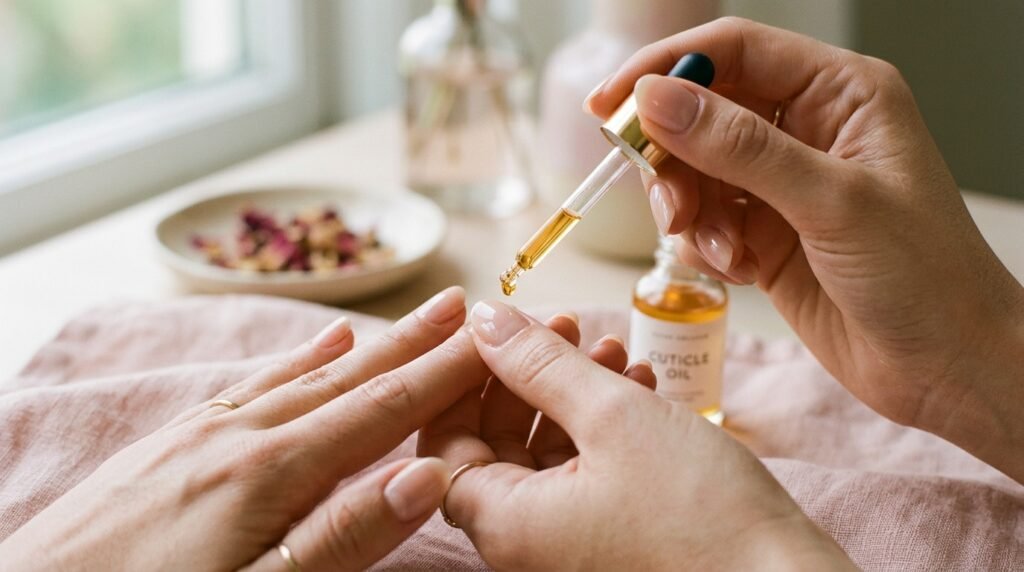
Photo via NailPrime
Handwashing is the moment nails lose the most moisture. Water swells the nail plate, then evaporates and takes the nail’s own moisture with it, leaving the layers a little weaker each time. A quick swipe of oil straight after drying breaks that cycle, sealing the surface before it dries out completely.
The trick is placement. A rollerball or dropper bottle on the windowsill above the sink gets used several times a day without any effort, while a bottle stored in a bathroom cabinet gets forgotten. The same goes for the kitchen sink, where hands are washed most often during cooking and cleaning.
You may also like: 20 Crochet Outfits to Wear in Summer for Breezy Days and Beach Nights
This is a habit that costs about ten seconds a day and pays off within a few weeks, with cuticles that look smoother and edges that stop catching on sleeves.
You may also like: 20 Designer Scarf Pieces That Will Transform Your Winter Wardrobe
3. File in One Direction with a Fine-Grit File
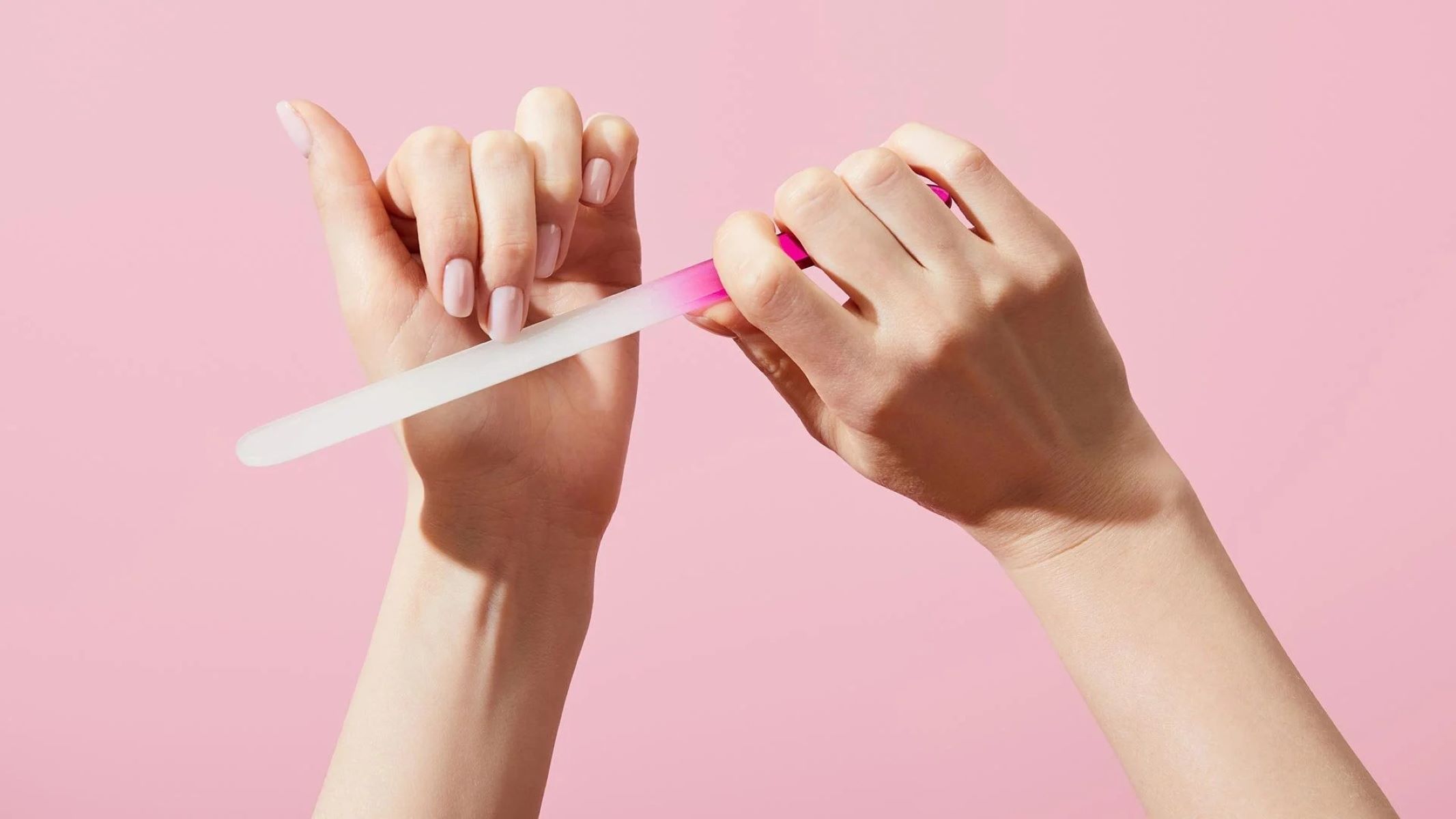
Photo via Storables
A rough, coarse file shreds the free edge of the nail, leaving microscopic frays that turn into splits two days later. A fine-grit file, around 240-grit or finer, seals the keratin layers flat as it shapes, so the edge stays smooth and strong. Glass and crystal files are a good investment because they last for years and never wear down to a rough surface.
Direction matters just as much as grit. Sawing back and forth peels the nail plate apart at the edges, while long strokes in one direction, from the outer edge toward the centre, keep the layers pressed together. It takes a few seconds longer and saves weeks of regrowth.
Never file nails when they are damp. A wet nail is soft and flexible, and filing it then tears the edge instead of shaping it. Wait ten minutes after washing hands before picking up the file.
4. Round the Corners Without Thinning the Edge
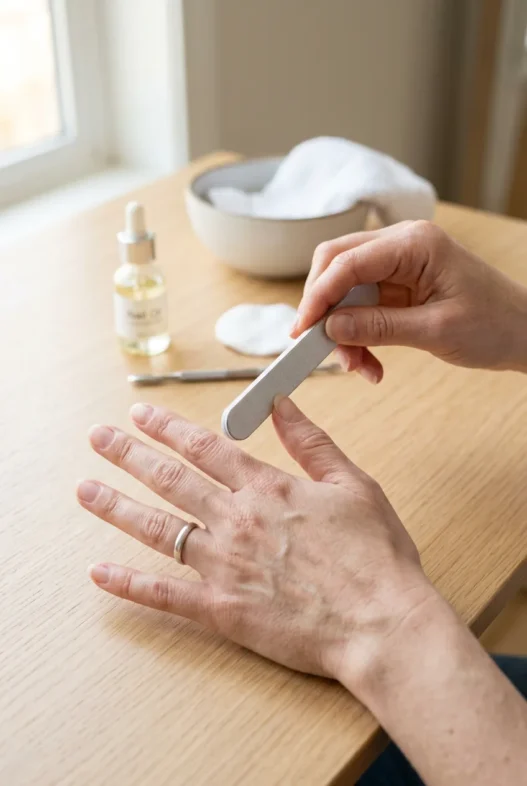
Photo via The Nail Drop
Square corners concentrate stress exactly where the nail is most likely to split. Every tap against a keyboard or a car door pushes force into those two sharp points, and sooner or later one of them gives way. Softening the corners into a gentle curve spreads that force across the whole tip instead.
The aim is a soft oval or squoval shape, not a pointed almond. Hold the file parallel to the side of the nail and take just the sharp corner off, leaving the width of the free edge intact. The tip should still feel substantial when a fingertip runs across it.
This small change makes the biggest difference for people whose nails always break on one side first. Rounded corners catch on fabric far less, which means fewer snags and fewer emergency trims.
5. Keep Nails Short Until They Stop Snapping
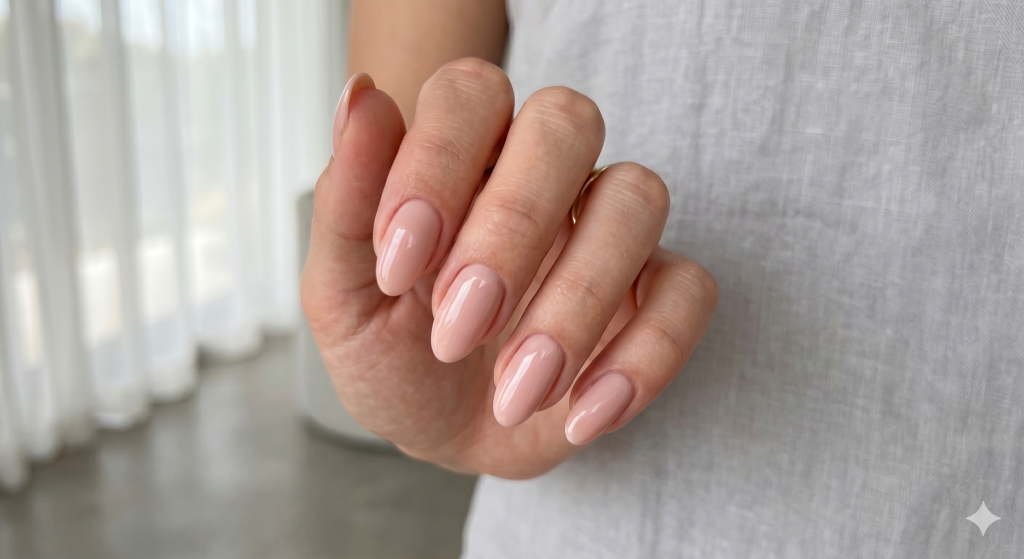
Photo via Post News Today
A long nail is a lever. Every millimetre past the fingertip multiplies the force on the free edge whenever it meets a desk, a zip or a door handle. While the older, weaker part of the nail is still growing out, length is the enemy, and short nails are the fastest route to long ones.
File the tips just past the fingertip, with enough white edge to look neat but not enough to use as a tool. Once a full month passes without a tear or a split, the new growth coming through is strong enough to support extra length, and the nails can be left to grow.
Short, neat oval nails look polished with a single coat of clear polish or even bare, so there is no need to feel like the growth phase looks unfinished.
6. Wear Gloves for Dishes and Cleaning
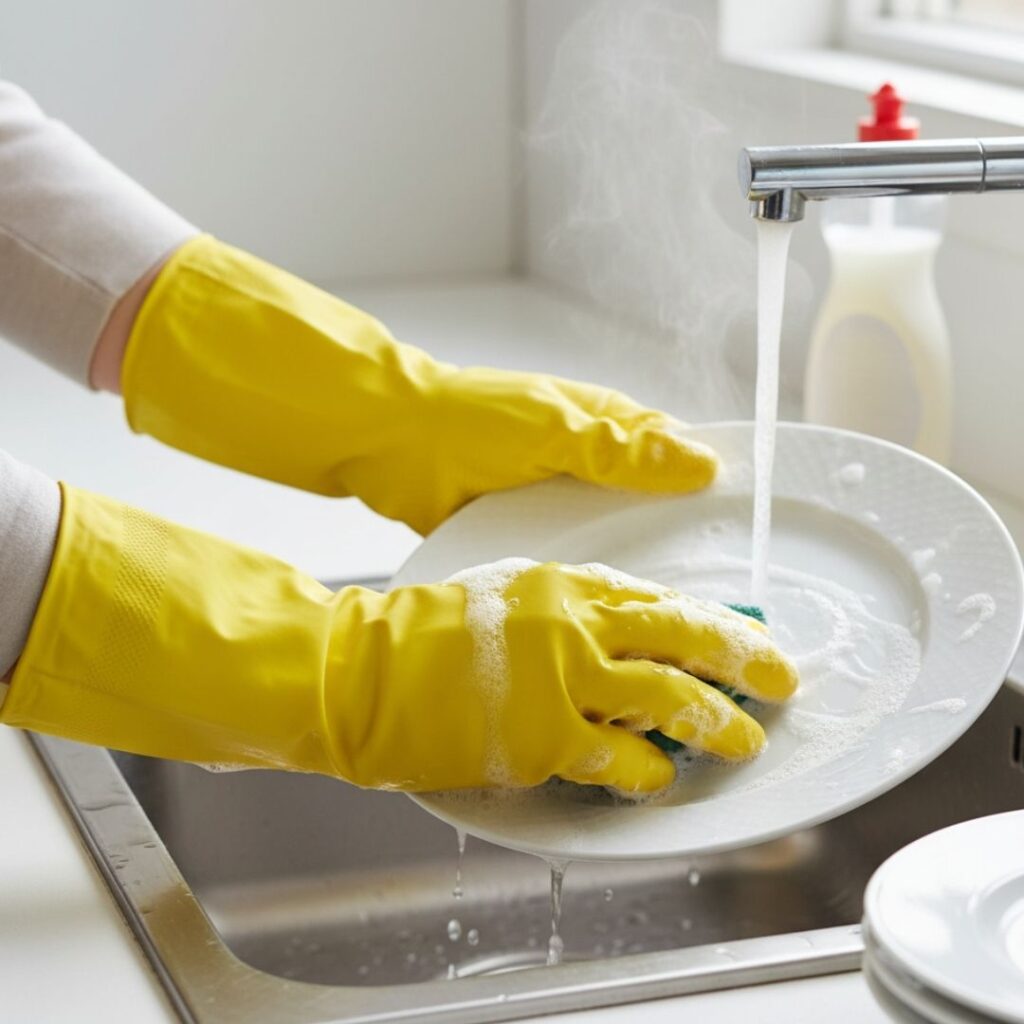
Photo via Lixsa Nails
Water is the quietest nail enemy there is. Nails absorb it faster than skin does, swelling up with every wash and shrinking as they dry, and that constant expansion and contraction prises the keratin layers apart at the tip. Add dish soap and cleaning chemicals, and the damage doubles.
Rubber gloves switch the whole problem off. Keep a lined pair draped over the sink or hanging on a hook beside it, not buried under a cupboard, because gloves that are hard to reach never get worn. A second pair for bathroom cleaning means there is always one within reach.
Hands that spend the day in and out of water will show the difference within a fortnight: fewer peels at the tip, less white chalkiness after washing, and edges that stay sealed.
7. Moisturize Your Cuticles After Every Wash
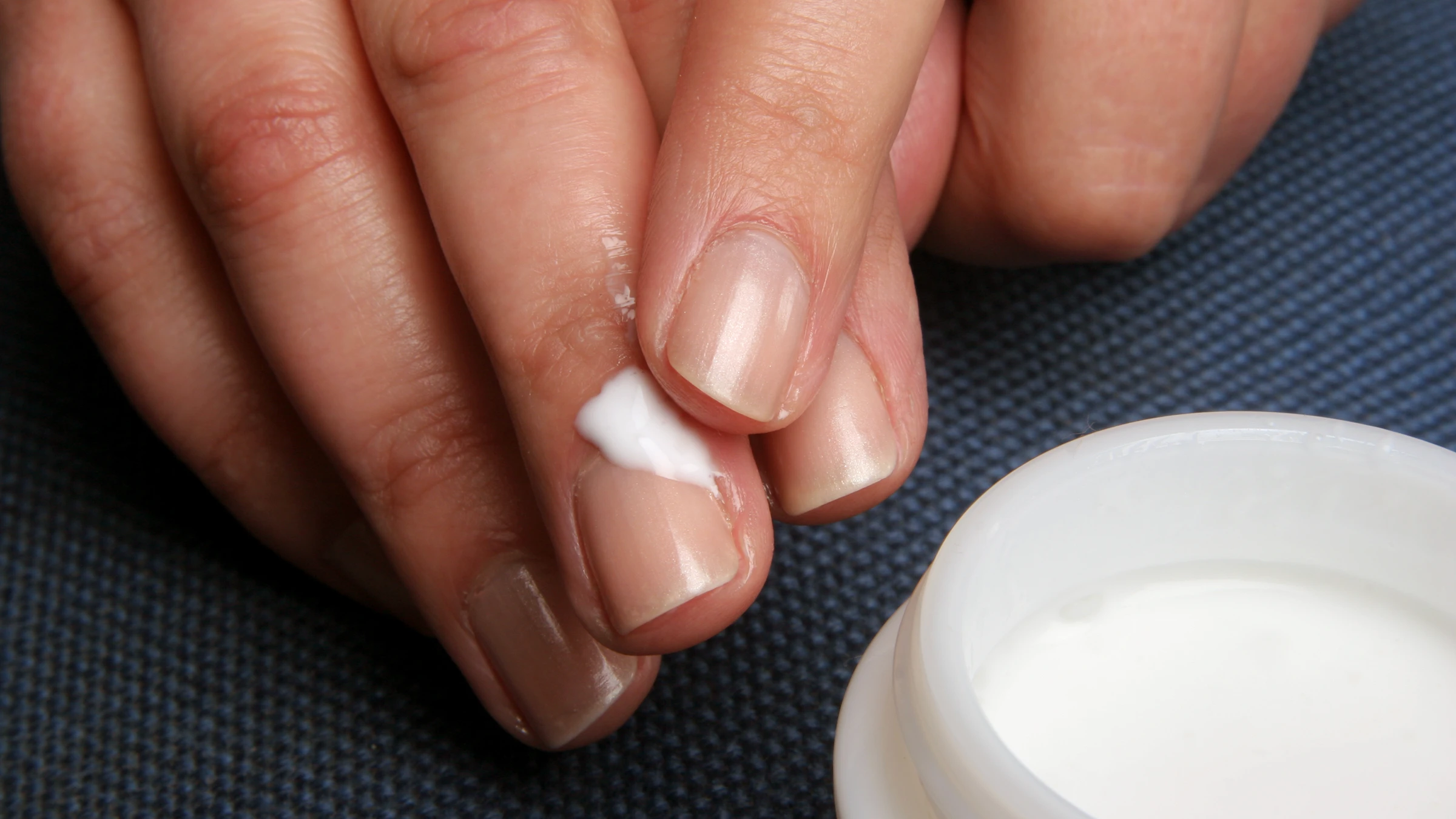
Photo via GoodRx
Most hand lotions are mainly water with a little oil mixed in, and on nails that water swells the plate before the oil can do any good. A pure oil or a thick balm works better, because it sits on the surface and seals moisture in without the swell-and-shrink detour.
After washing, pat hands dry with a soft towel instead of scrubbing, then work a small amount of oil or balm into each cuticle with a few seconds of pressure. The massage itself helps too, bringing blood flow to the nail bed and keeping the surrounding skin supple.
Before bed is the second-best moment. A richer balm overnight gives the oil hours to soak in undisturbed, and nails wake up looking smoother and less ragged around the edges.
8. Use a Flexible Strengthening Base Coat
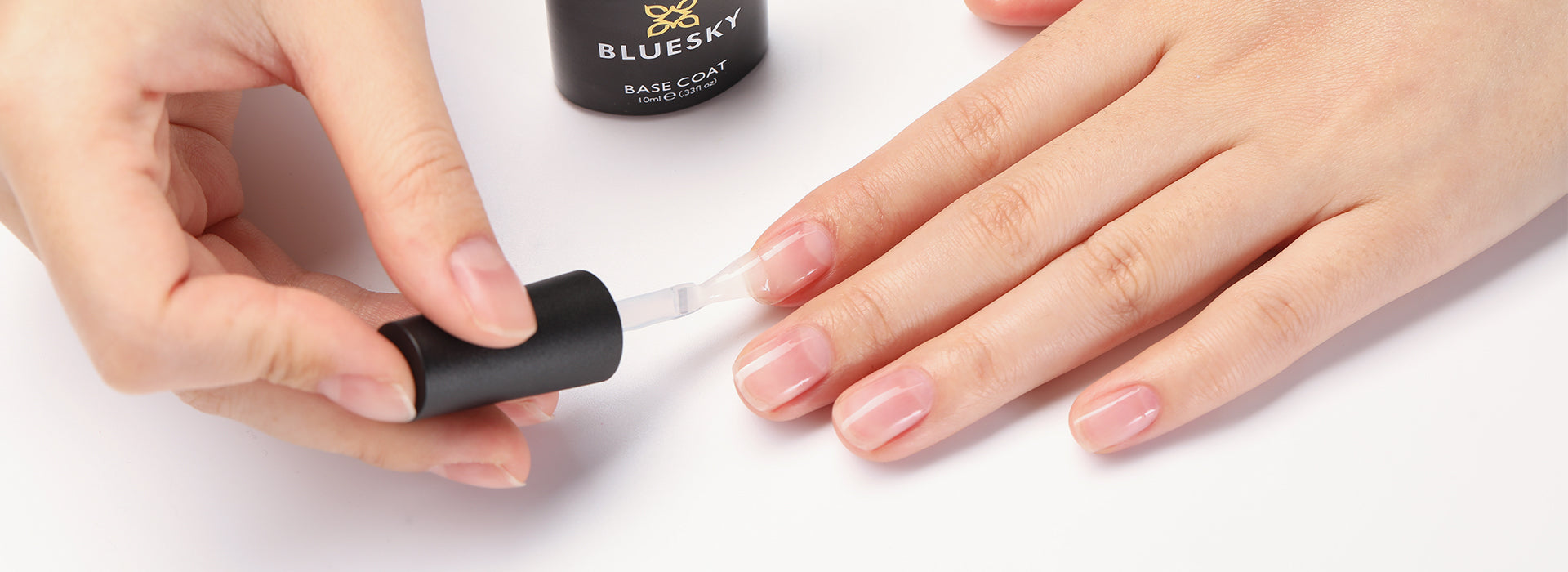
Photo via Bluesky Colors
A nail that is too hard snaps instead of bending, so the old-fashioned hardeners that turn nails rigid often cause more breaks than they prevent. What works better is a base coat with flexible resins that lets the nail bend under pressure and spring back, like a thin layer of armour that moves with the nail rather than against it.
One coat under colour is enough, and it has a second job: it stops pigment from staining the nail plate, which means less scrubbing with remover later. On bare-nail days, the base coat can be worn alone and swapped for a fresh coat every five days or so.
Look for formulas that mention nylon or flexible polymers rather than formaldehyde-based hardeners, especially on nails that already feel brittle or tend to snap clean across.
9. Give Your Nails a Regular Polish Break
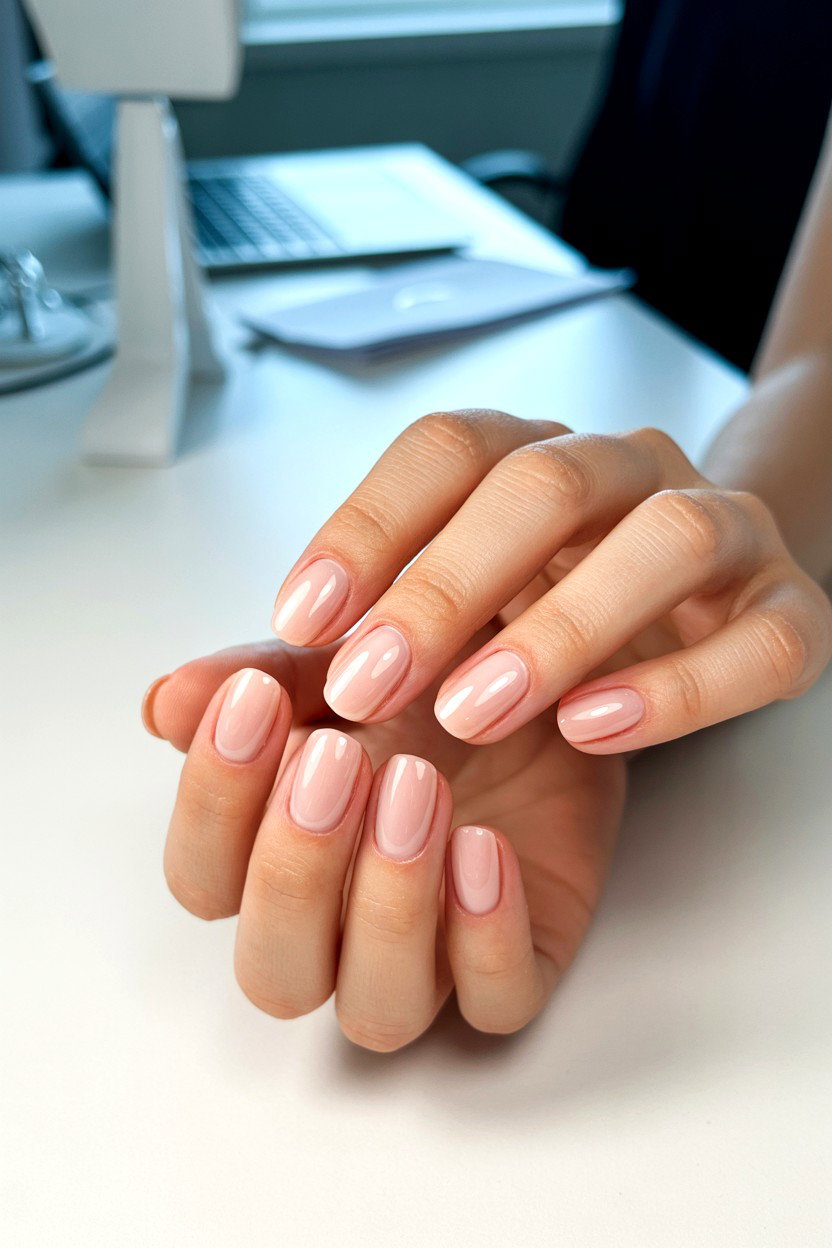
Photo via Lemonade Makin Mama
Constant polish, especially gel and acrylic, keeps the nail sealed away from air and moisture in a way that slowly dries it out underneath. The plate can turn chalky, thin or yellowed, and the damage only shows up when the colour finally comes off.
A break of a week between manicures gives the nail a chance to rehydrate. During the break, oil twice a day and wear a clear base coat if bare nails feel too plain. Nude and sheer pink shades are a good middle ground, offering a finished look with less pigment and gentler removal.
This is also the moment to check the real condition of the nails. If they look white, ridged or flaky after removal, they need a longer rest and daily oiling before the next colour goes on.
10. Eat Enough Protein and Iron
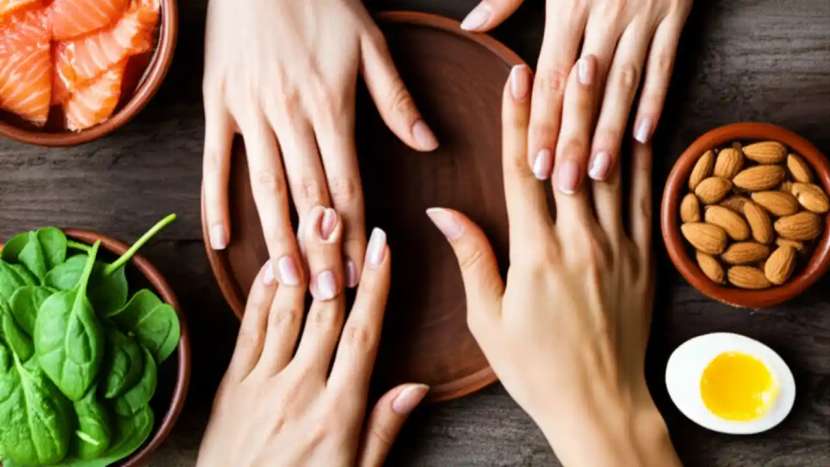
Photo via Eat Healthy 365
Nails are built from keratin, a protein, so a diet that runs low on protein for months will eventually show up as slow growth and a thin, weak plate. A palm-sized serving of eggs, fish, lentils or beans at most meals covers the need without any special diet or supplement.
Iron matters too. A shortfall often shows up as a spoon-shaped curve in the nail or a deep central ridge, and adding spinach, red meat or a handful of pumpkin seeds is usually enough to correct it. Zinc and vitamin C play supporting roles, helping the body use the protein and iron properly.
No food makes nails grow faster than their natural rate. What good nutrition does is remove the brakes, so the nail grows at its full, healthy speed instead of a slowed-down one.
You may also like: Stunning October Nail Designs 2026 to Try
11. Treat Biotin as a Bonus, Not a Plan

Photo via That Pretty Nail
Biotin supplements have a strong reputation for nail growth, but the evidence is far narrower than the bottle labels suggest. Biotin helps when the body was genuinely low in it to begin with, which is much rarer than the marketing implies. For most people, the extra biotin simply passes through without doing anything noticeable.
There is one signal worth paying attention to: brittle, splitting nails paired with thinning hair. That combination can point to a real deficiency and is worth mentioning to a doctor, who can test for it rather than guessing with a megadose from a health-food shelf.
For everyone else, biotin is a lottery ticket, not a plan. The money is better spent on the protein-rich food and the cuticle oil that actually change the nail’s daily condition.
12. Soak Gel Off Gently, Never Peel It
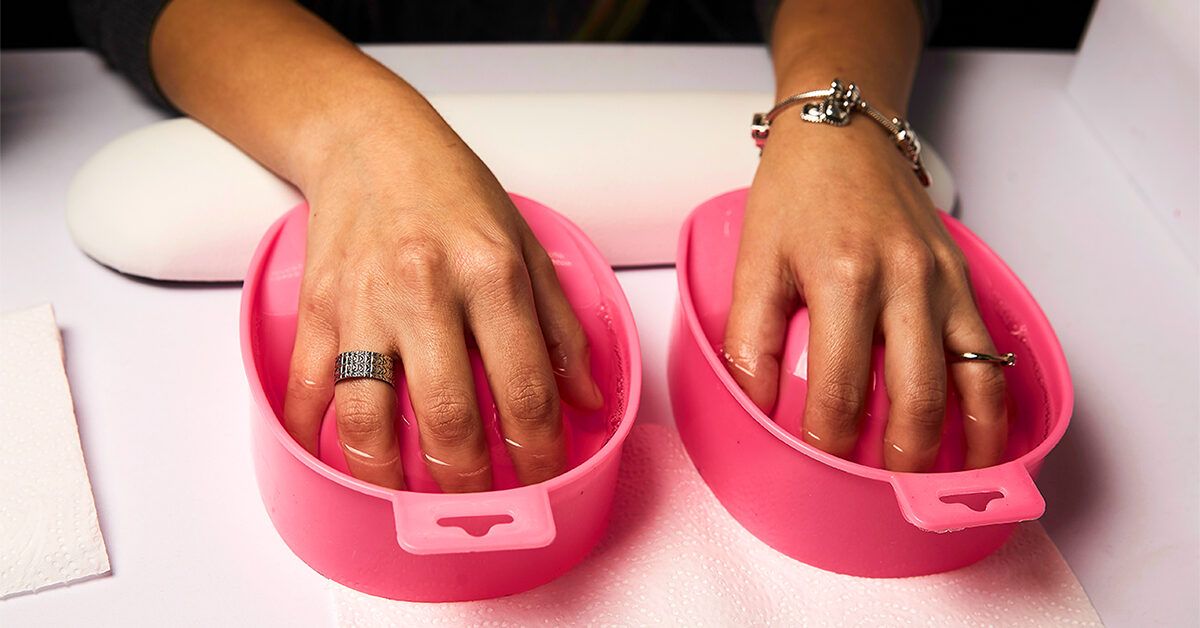
Photo via Greatist
Peeling off a gel manicure is the fastest way to undo a month of careful growth. What comes away with the polish is a thin layer of the nail plate itself, leaving the nail thinner, weaker and more likely to split for weeks afterwards.
The gentle method takes fifteen minutes but saves the nail. Soak a cotton ball in pure acetone, place it on the nail, wrap the fingertip in a small square of foil, and wait. The softened gel should slide off with a light push from an orange stick. If it resists, rewrap and wait another five minutes rather than scraping.
After removal, wash hands, oil the cuticles straight away, and skip polish for two or three days. If the nails feel warm or look white and chalky, oil them twice a day until they settle.
13. Book a Professional Manicure Now and Then
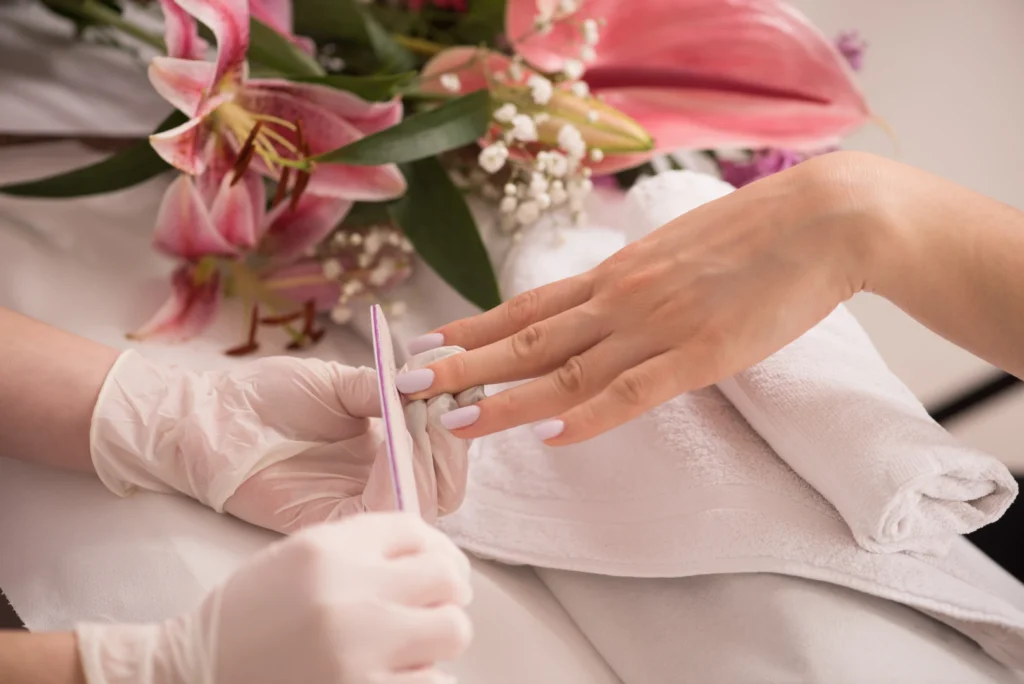
Photo via Kalon Salon Spa
A good nail technician sees things that are easy to miss at home: a cuticle that is starting to lift, a shape that is putting stress on one corner, or a ridge that needs a filler base rather than a buffing block. A professional manicure every few weeks acts as a check-up as much as a treat.
Salon visits also reset the shape properly. Filing at home tends to drift over time, with one side getting shorter or the corners getting sharper, and a technician can bring the shape back to a balanced oval that grows out evenly.
Between visits, the home routine does the heavy lifting. The salon is the maintenance stop, not the whole plan, and nails that arrive in good condition get a better result than nails that arrive damaged.
14. Stop Using Your Nails as Tools
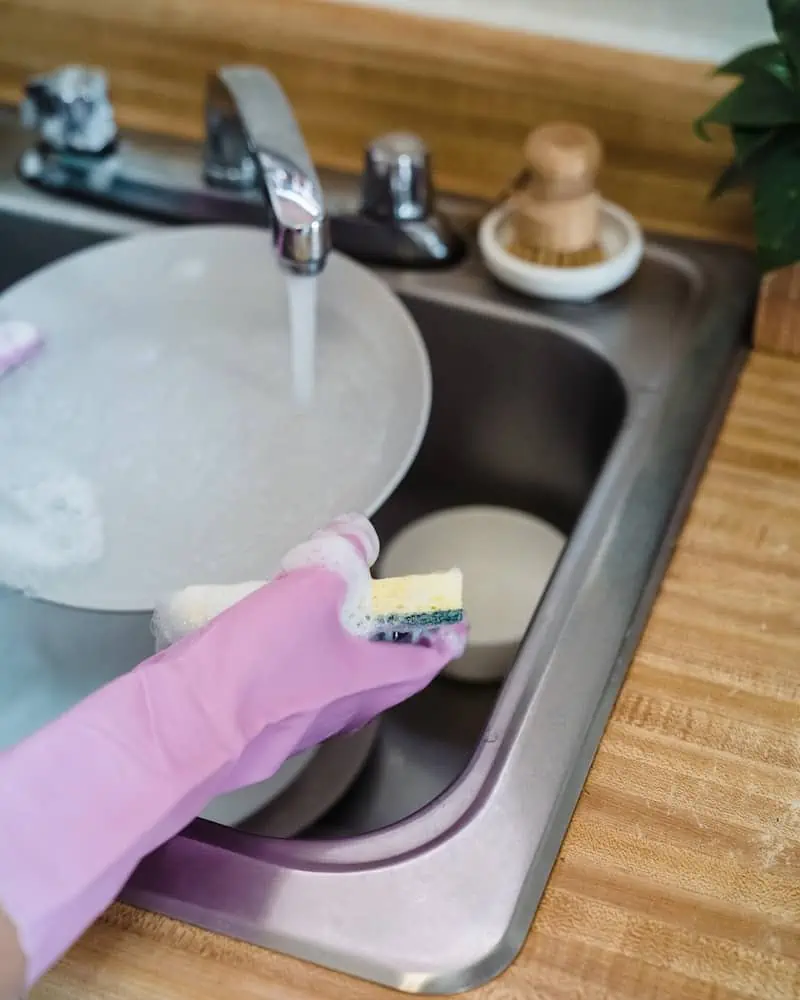
Photo via The Socialite’s Closet
Nails make terrible can openers, staple removers and label peelers, and every time they are used that way the free edge takes a small injury that shows up days later as a split or a peel. The damage is rarely visible at the moment, which is why the habit survives so long.
Keep a small flat tool in a bag or a kitchen drawer, a metal cuticle pusher or a letter opener works, and reach for it first. For soda tabs and stickers, the pads of the fingers do the job just as well without putting the nail edge at risk.
Breaking this habit is mostly about noticing it. Once the connection is made between prying something open on Monday and a split appearing on Thursday, the tool starts to feel like the obvious choice.
15. Break the Biting and Picking Habit
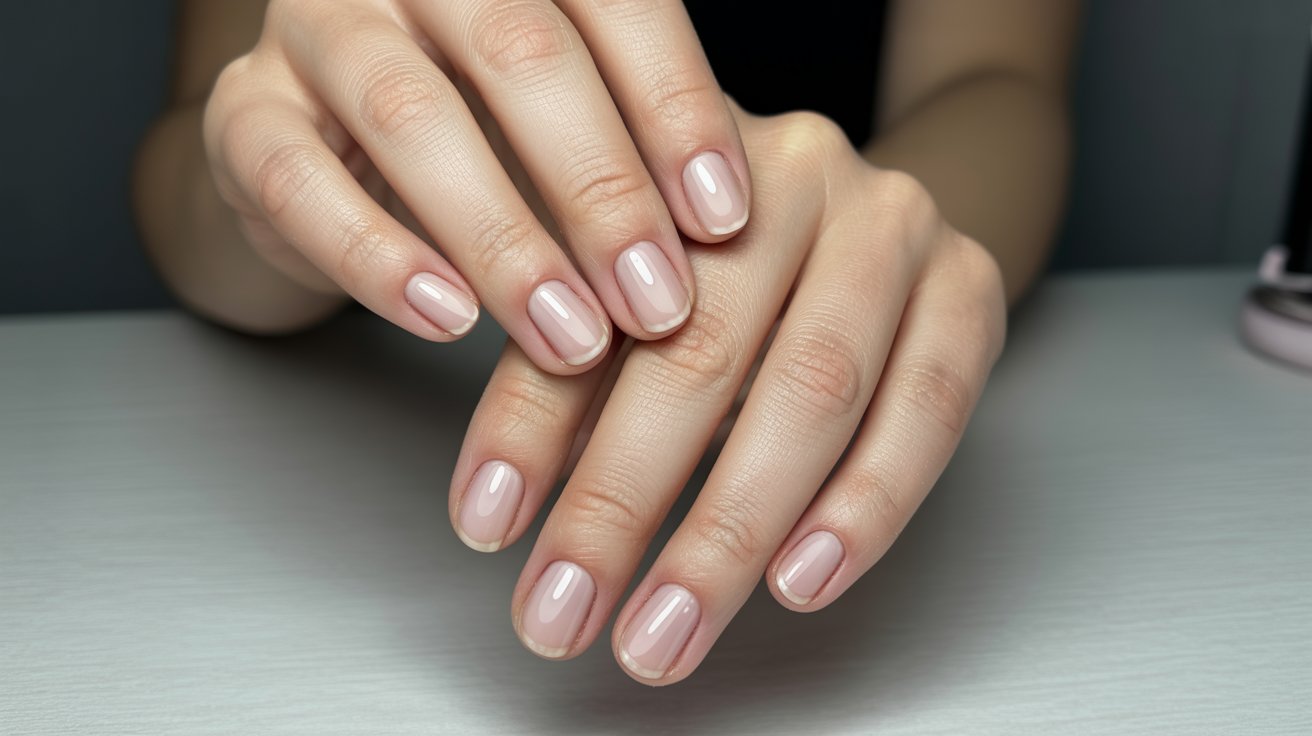
Photo via The Beauty Foodie
Biting removes length directly, but picking at a snag does something sneakier: it starts a peel that then has to be grown past, turning a one-day problem into a three-week one. The nail bed can also be damaged over time, which changes how the nail grows.
Replacement works better than willpower. When fingers start scanning the nail edges, a quick swipe of cuticle oil gives them a job that does not involve destruction, and the edge stays sealed. A short, neat shape also helps, because there is less ragged edge to catch the attention.
For stubborn cases, a bitter-tasting polish or a set of press-on nails for a few weeks can break the cycle long enough for the habit to fade. The goal is to get through the first month, after which the nails look too good to ruin.
16. Keep a Glass File Handy for Snags
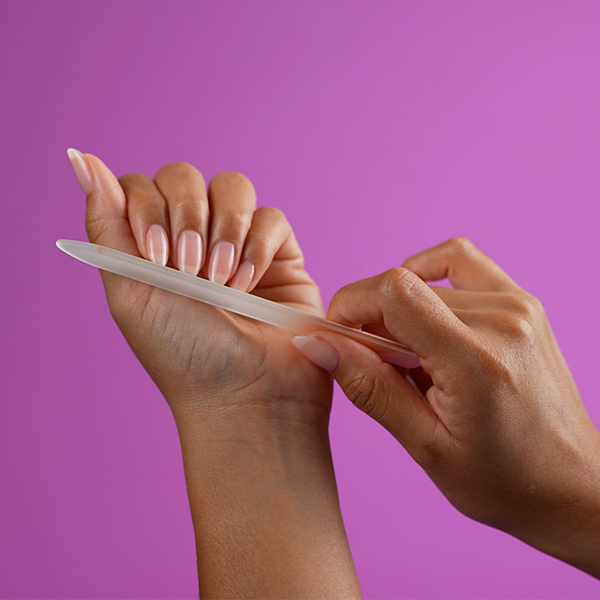
Photo via Ella+Mila
A snag that gets ignored becomes a tear within a day. A snag that gets filed smooth in thirty seconds disappears completely. The difference is whether a file is within reach when the snag happens, which is why a small glass file belongs in a handbag, a desk drawer and a bedside table.
Glass files are ideal for this job because they seal the edge as they shape it, and they never wear out or go blunt. A couple of gentle strokes in one direction takes the rough spot off without thinning the nail around it.
Think of the file as first aid rather than a beauty tool. It is there for emergencies, and using it at the first sign of roughness stops the tiny damage that cancels out weeks of growth.
17. Pick a Shape That Suits Your Hands
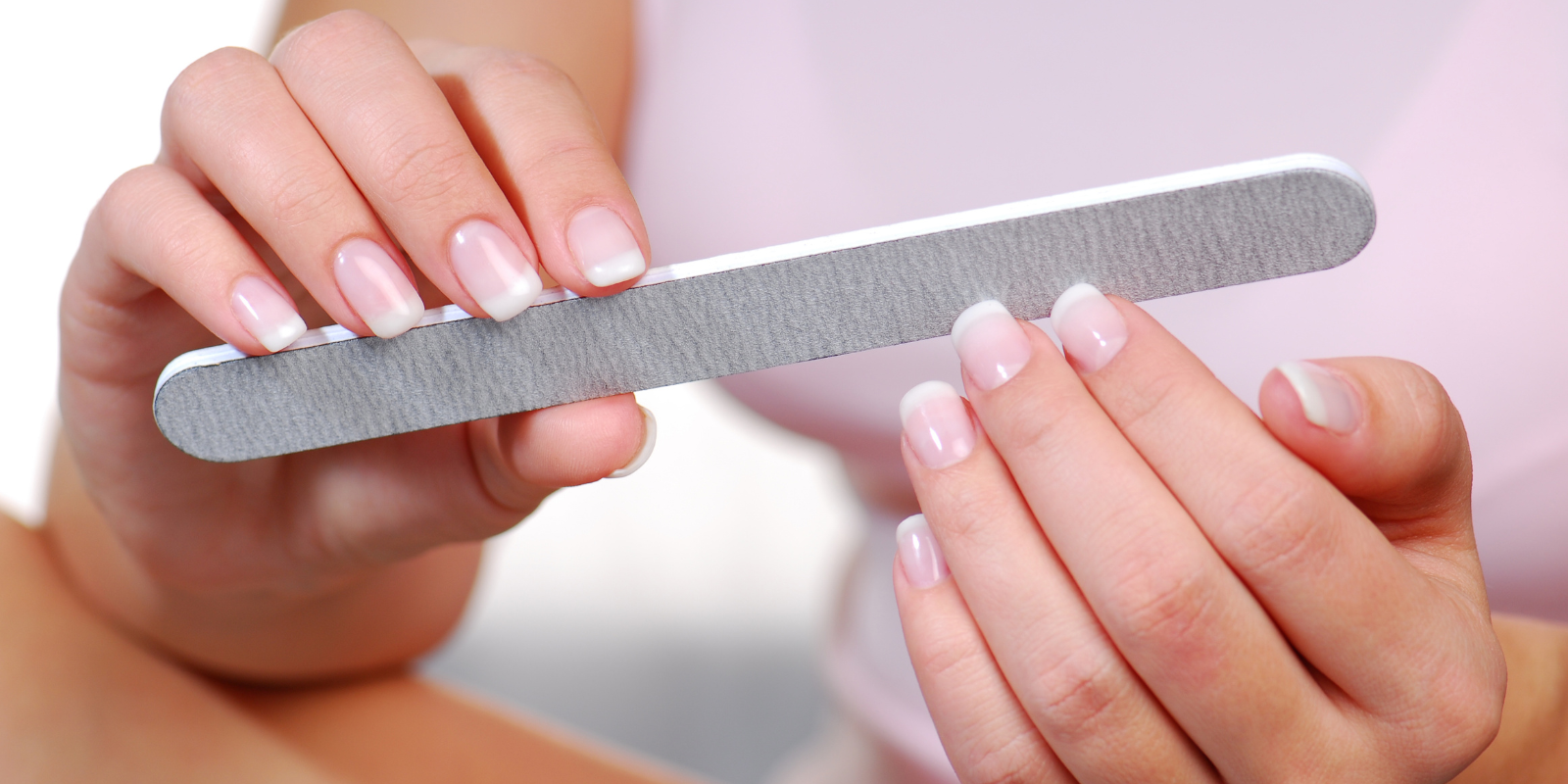
Photo via Xingat
Not every nail shape suits every hand. Long, narrow nail beds carry an almond or oval shape beautifully, while wider nail beds look better and break less often in a short, rounded square. The shape that grows best is the one that follows the natural curve of the fingertip instead of fighting it.
Forcing a shape the nail does not want means filing away the sides every few days, which thins the edges and invites splits. A shape that matches the cuticle line needs almost no maintenance between trims, and the nail stays thick and strong at the sides.
When in doubt, a soft oval is the safest choice for growing nails out. It is the most forgiving shape, it suits almost every hand, and it puts the least stress on the corners.
18. Keep Hand Cream in Your Bag
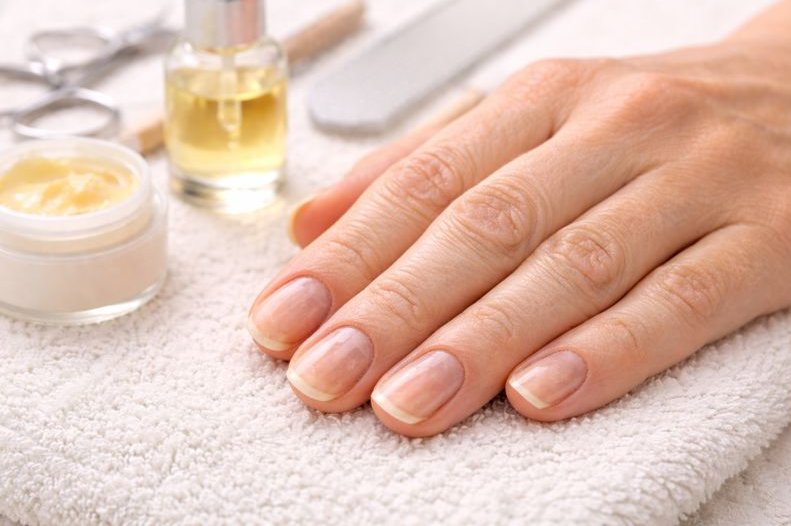
Photo via Hwahae
Nails dry out fastest away from home, in air-conditioned offices, on cold commutes and after washing hands in public restrooms with harsh soap. A small tube of hand cream in a bag means the damage gets repaired within minutes instead of hours later.
Apply the cream to the backs of the hands and work the leftover into the cuticles and around each nail. It does not need to be a specialist nail cream; any rich, fragrance-free hand cream does the job as long as it gets used.
This is a particularly useful habit in winter, when cold air outside and heated air inside take turns stripping moisture from hands all day. The cream acts as a barrier that slows that loss down.
19. Protect Nails from Cold, Dry Air
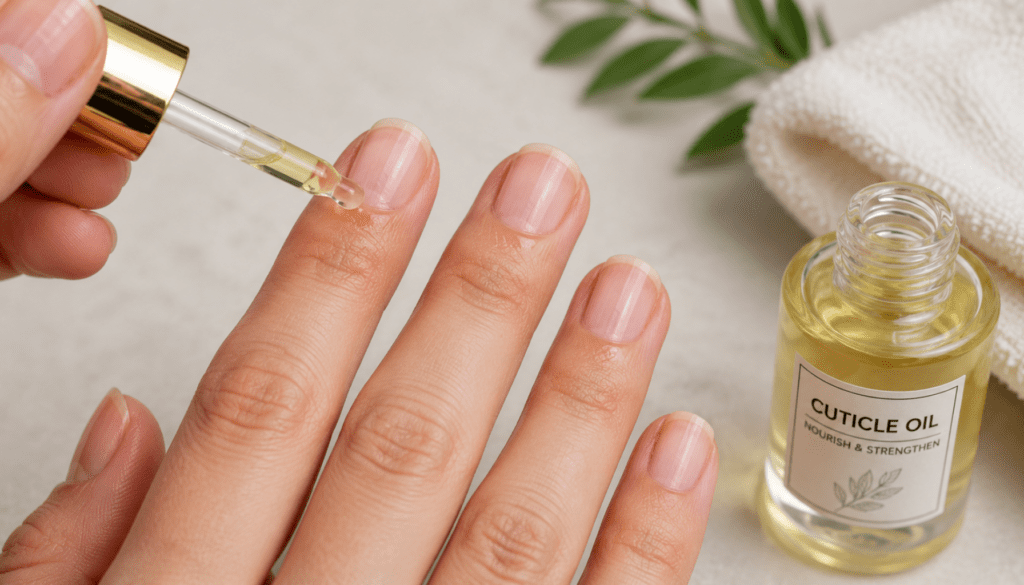
Photo via The Natural Nail
Winter is the hardest season for nails. Cold air holds very little moisture, and heated indoor air is just as dry, so the nail plate loses water from both sides at once. The result is the familiar winter pattern: nails that were growing fine in summer suddenly start splitting and peeling in December.
Gloves outdoors are the simplest fix, protecting both the nails and the skin around them from the cold. Indoors, a richer oil or balm at night replaces what the dry air takes during the day, and a humidifier in the bedroom helps if the air is very dry.
It also helps to be a little more careful with length in the cold months. Keeping nails a touch shorter through winter and letting them grow out again in spring avoids the worst of the seasonal breakage.
20. Fix a Break the Moment It Happens
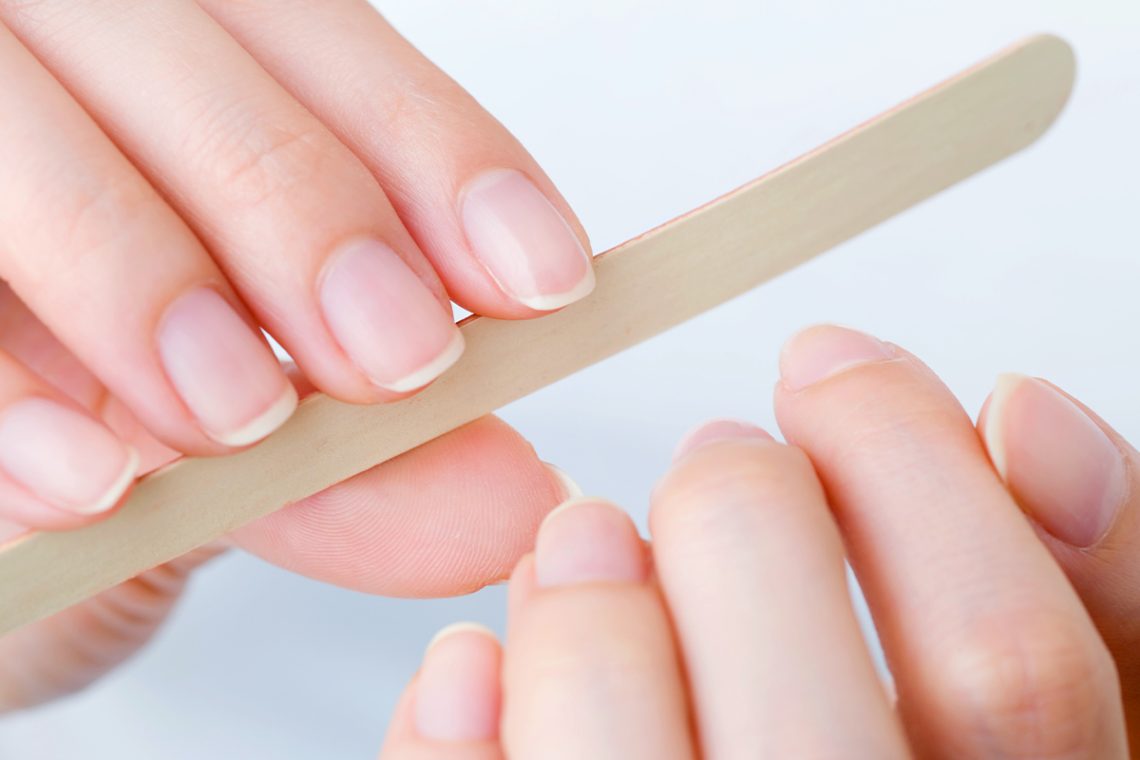
Photo via Primor
A small crack left alone will travel. Every knock and every wash pushes it a little further down the nail, until the only option is cutting the whole nail short and losing weeks of growth. Caught early, the same crack is a five-minute repair.
A dab of nail glue and a tiny piece of a tea bag or silk wrap, smoothed over the break and sealed with a clear top coat, holds the nail together while it grows out. The patch can be filed smooth and painted over, and it stays put for a week or more if the edge is sealed properly.
The repair buys time, not a cure. Keep the nail a little shorter while the patch is on, oil it daily, and let the damaged section grow past the fingertip before trimming it away for good.
Final Thoughts
Growing nails fast is mostly about stopping them from breaking, and stopping them from breaking is mostly about the small things: oil after washing, gloves for the dishes, a fine file used in one direction, and a little patience while the new growth comes through. No single tip on this list does the job alone, but together they remove the daily damage that keeps nails short.
Start with the easiest three, oil by the sink, gloves by the dishes, and a glass file in the bag, and give them a month. The change is quiet and gradual, and then one day the nails are simply longer than they have been in years, with no drama attached.
2 thoughts on “20 Tips to Grow Nails Fast and Stronger”