
12 Simple Ways to Stop Hairfall at Home

Finding hair on the pillow, in the shower drain and wrapped around the brush is unsettling, and the first instinct is usually to buy something expensive and hope it works. The calmer truth is that most everyday hairfall responds to small, unglamorous changes: a healthier scalp, gentler handling, a couple of kitchen remedies used consistently, and a diet that actually feeds the follicles. None of it works overnight, but all of it works better than panic-buying a shelf of serums.
This guide covers twelve practical steps, from figuring out what kind of hair loss is actually happening to the oils, masks and rinses that support regrowth, plus the wash-day habits, nutrition and stress care that hold the whole routine together. Pick two or three remedies to start with, give them six to twelve weeks of steady use, and judge the results by the trend — fewer strands in the drain, a ponytail that stops getting thinner — rather than by any single wash day.
1. First, Work Out Whether It Is Shedding or Breakage
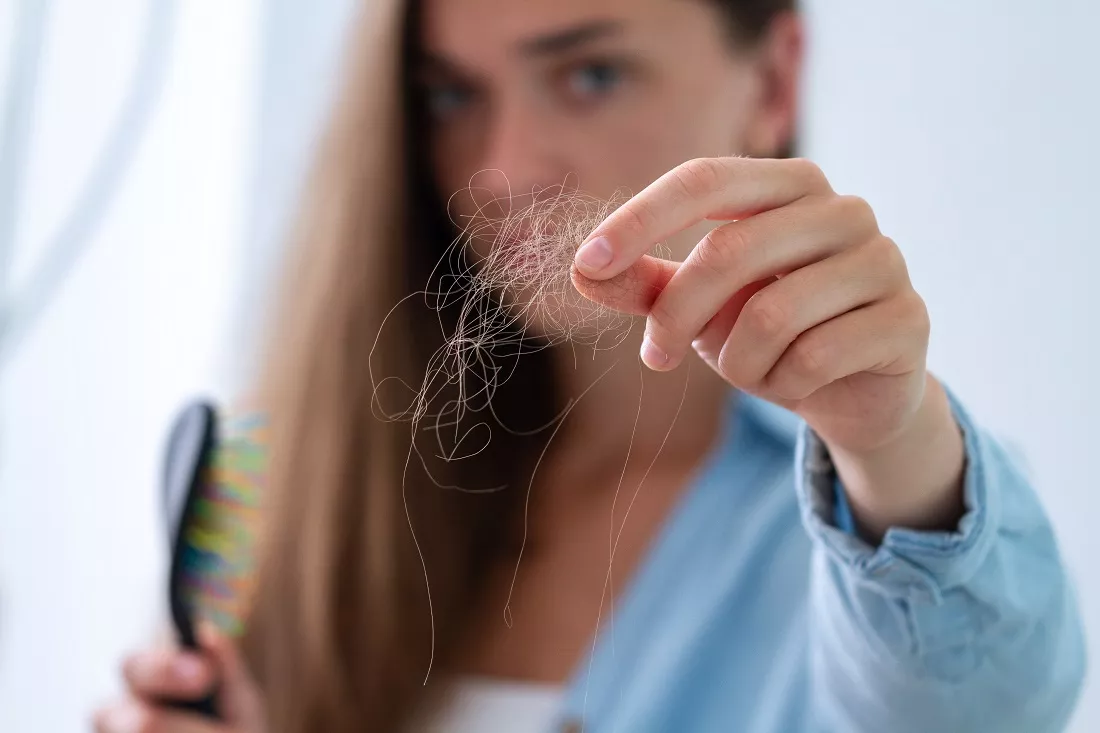
Photo via Leyvik
Not all hair on the floor is the same problem. A shed hair has fallen from the root and usually carries a tiny pale bulb at one end; it is part of the natural growth cycle, and losing somewhere around fifty to a hundred a day is normal. A broken hair has snapped somewhere along the shaft, has no bulb, and points to damage rather than the follicle — rough brushing, heat, tight styles and chemical treatments are the usual culprits. Many people dealing with hairfall have a mix of both, which is why a single fix rarely solves the whole picture.
The distinction matters because the remedies split along the same line. Shedding calls for scalp care, circulation and nutrition — calming inflammation, keeping the follicle environment clean and well-fed. Breakage calls for gentleness: less friction, less heat, softer detangling and masks that add slip and strength to the lengths. Before starting any remedy, spend a wash day actually looking at the hairs that come out; the answer shapes everything that follows.
2. Black Seed Oil for a Calm, Comfortable Scalp
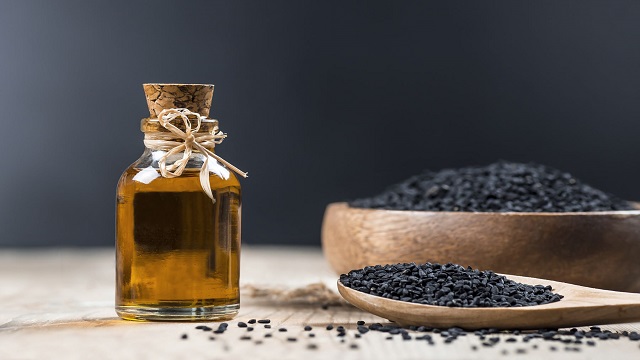
Photo via Chennai Online
When shedding comes with an itchy, tight or flaky scalp, the follicles are usually reacting to irritation as much as to anything else, and black seed oil — kalonji oil — is one of the gentlest ways to settle that down. Its active compound, thymoquinone, is known for antioxidant and anti-inflammatory properties, and the oil itself is light enough not to leave the scalp feeling coated. Warm a teaspoon or two between the palms, work it into the scalp with the fingertips for three to five minutes, and leave it for forty-five minutes to an hour before shampooing.
Used once or twice a week, it suits people whose scalps flare easily and who find heavier oils sit on the hair rather than sinking in. Those who prefer an even drier finish can blend it half and half with jojoba. The scalp usually feels more comfortable within a week or two; shedding trends take longer to shift, which is normal — the follicle responds to a calmer environment over weeks, not days. As with any new oil, a patch test behind the ear first is worth the minute it takes.
3. Curry Leaf and Coconut Oil to Strengthen Fragile Lengths
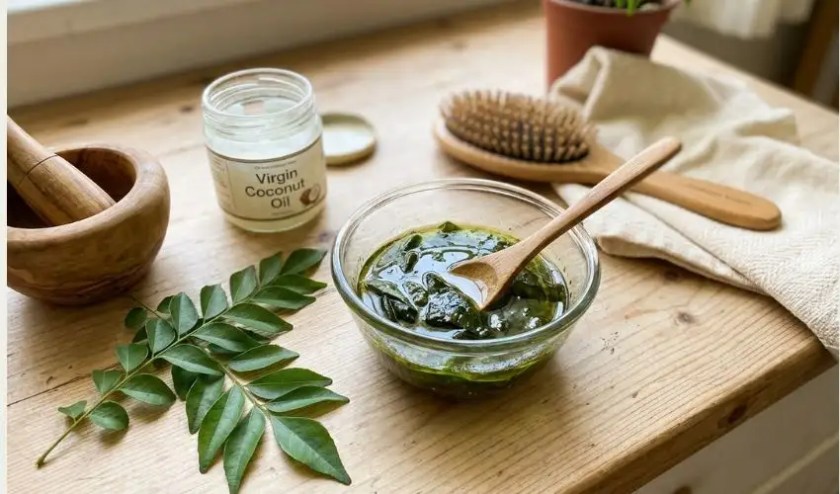
Photo via Fit Living Journey
Coconut oil has a genuine, well-studied advantage over most other oils: its small molecules penetrate the hair shaft and reduce the protein loss that happens every time hair is washed. Infusing it with curry leaves adds antioxidants and a long tradition in South Asian hair care, where the combination is a staple for weak, thinning lengths. To make it, warm two to three tablespoons of coconut oil, add a small handful of fresh curry leaves until they crackle gently, then cool and strain.
Massage the infusion into the scalp and through the mid-lengths, leave it overnight if the schedule allows, and shampoo in the morning. It is best suited to normal-to-dry hair that feels porous or fragile; very fine hair can find coconut oil heavy, in which case a shorter pre-wash treatment of an hour is the safer version. Stored in a dark bottle, a batch keeps for about two weeks, so there is no need to make it fresh every time.
You may also like: 20 Chic Jean Shirt Outfits to Rock Your Denim Shirt: Everyday Looks for Every Mood
4. Onion Juice for Slow, Reluctant Growth

Photo via TGRT Haber
Onion juice is the least glamorous remedy on this list and one of the most talked about, for a simple reason: onions are rich in sulfur, a building block of keratin, the protein hair is made of. Small studies have found it encouraging for patchy hair loss, and plenty of people use it for diffuse thinning along the part or crown. Blend one or two onions, strain the juice thoroughly so no pulp is left to tangle in the hair, massage it onto the scalp and leave it for twenty to thirty minutes before cleansing.
The smell is the obvious drawback, and a few drops of lavender or tea tree oil in the juice take the edge off it. If the scalp stings, dilute the juice half and half with water rather than pushing through — irritation undoes the point of the exercise. Baby hairs along the hairline, when they appear, tend to show around the eight-to-twelve-week mark, so this is a remedy for the patient. Once a week is plenty; more often risks drying the scalp out.
5. A Fenugreek Mask to Fortify Weak Strands
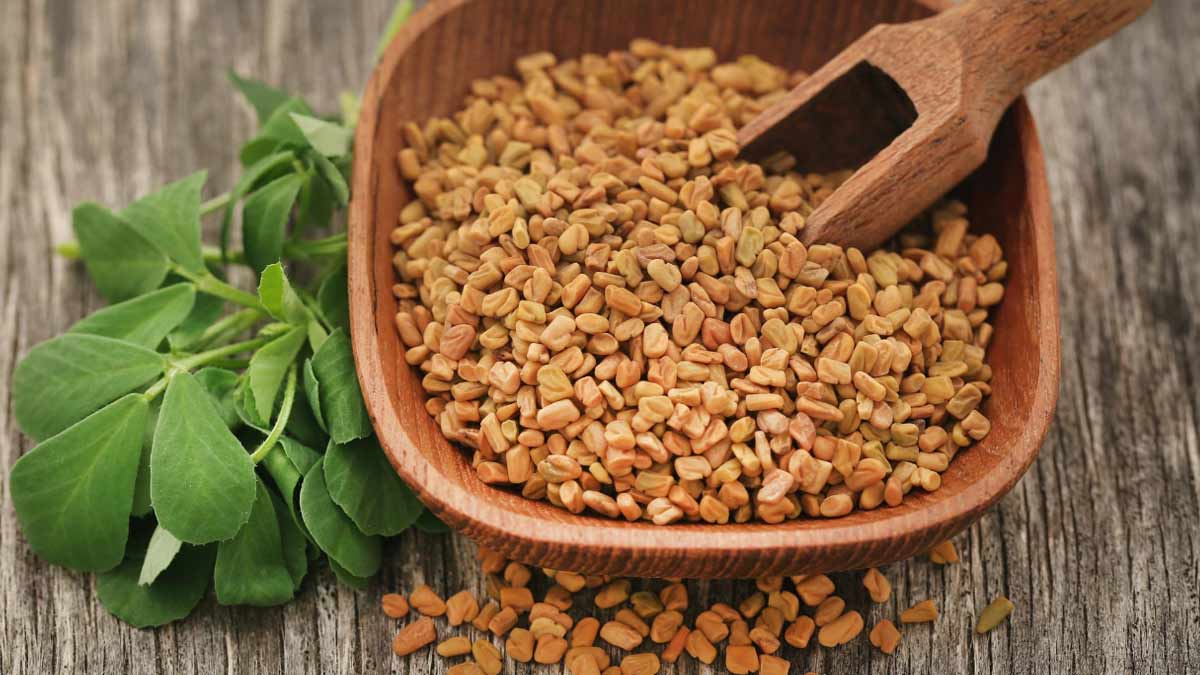
Photo via HerZindagi
Fenugreek seeds — methi — are small, unassuming and surprisingly well suited to breakage-prone hair. They contain proteins and nicotinic acid that coat and fortify the shaft, and the mucilage they release when soaked gives the mask a slippery texture that makes detangling easier afterwards. Soak two to three tablespoons of seeds overnight, blend them to a smooth paste with a spoonful or two of yogurt or coconut milk, and strain out any gritty bits before applying.
Work the paste from scalp to ends, leave it for thirty to forty-five minutes, then rinse and shampoo as usual. It is particularly good for dry, fine hair that snaps easily, and for scalps that feel uncomfortable — the paste is soothing as well as strengthening. The one real nuisance is rinsing: fenugreek residue clings, so a thorough rinse followed by a light conditioner on the lengths only is the way to finish. Once a week is a sensible rhythm.
6. Hibiscus and Aloe for Tangles That Snap Hair

Photo via Telugu Times
A surprising amount of hairfall is not shedding at all — it is hair breaking during detangling, because a rough cuticle catches and snags. Hibiscus flowers and leaves produce a natural mucilage that smooths the cuticle and adds slip, while aloe vera gel hydrates without weight, and together they make one of the best masks for hair that knots the moment it is looked at. Blend four to six hibiscus flowers with a handful of leaves and a little water into a creamy paste, then stir in a tablespoon of aloe gel.
Coat the scalp and lengths, leave for thirty to forty minutes, then rinse and shampoo lightly if needed. The immediate payoff is softer, easier-to-comb hair on the same day; the longer payoff is less frictional loss over time, because every tangle that slides apart instead of snapping saves a strand. Dried hibiscus works when fresh flowers are not available, and the mask is gentle enough for weekly use on most hair types, including colour-treated hair.
7. Amla and Honey for Gloss and Antioxidant Defence

Photo via Femina
Pollution, UV and frequent heat styling all generate oxidative stress on the scalp and hair, and oxidative stress is one of the quieter drivers of shedding — it rarely announces itself, it just slowly weakens the growth environment. Amla, the Indian gooseberry, is one of the richest natural sources of vitamin C, a potent antioxidant, and paired with honey, which draws moisture into the hair, it makes a gloss treatment that is as practical as it is simple. Mix two tablespoons of amla powder or fresh juice with a tablespoon of raw honey and a splash of water.
Brush the mixture onto the scalp and mid-lengths, leave it for twenty-five to thirty minutes, then rinse with lukewarm water. Hair comes out glossier with fewer flyaways, and the antioxidant support is doing quieter work underneath. It suits city dwellers, frequent heat stylers and anyone with colour-treated hair especially well. Amla can slightly deepen the tone of very light hair over repeated use, so blondes may prefer to keep it to the scalp rather than the lengths.
8. A Rice Water Rinse for a Smoother Cuticle
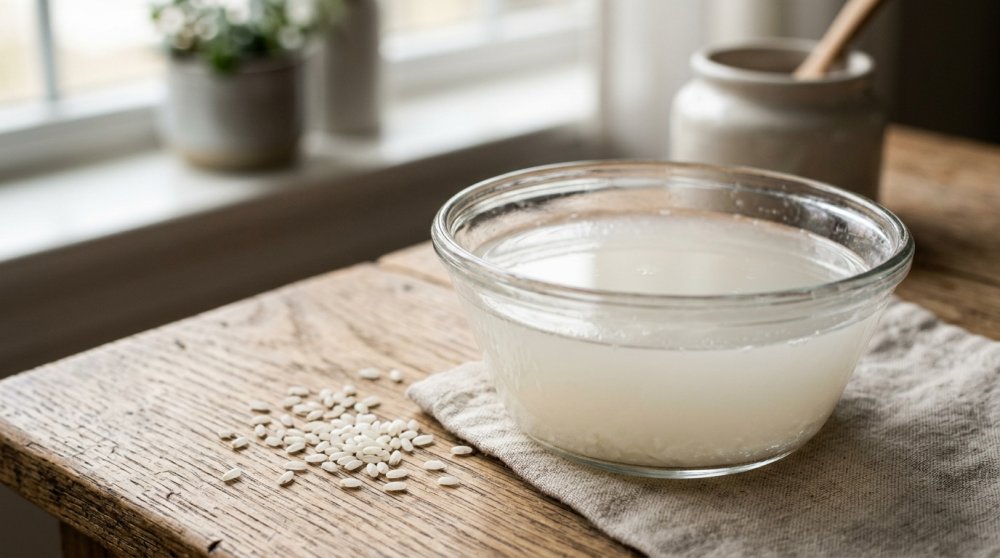
Photo via Fit With Age
Rice water has been used for centuries in parts of Asia, most famously by the Yao women of China, whose floor-length hair made the rinse famous far beyond its origins. The starchy water left after soaking rice contains inositol, which stays on the hair even after rinsing and helps smooth the cuticle, reducing the friction that causes mechanical breakage during brushing and washing. Rinse a cup of rice, soak it in two to three cups of water for half an hour, then strain.
After shampooing, saturate the scalp and lengths with the rice water, leave it for ten to fifteen minutes and rinse. Medium to coarse hair tends to love it; fine hair can feel stiff afterwards, in which case a light conditioner on the mid-lengths only sorts it out, or the rinse can be diluted half and half with water. Fermenting the rice water for twelve to twenty-four hours before refrigerating it is said to increase its potency, though the plain version works perfectly well once a week.
9. Castor Oil and Vitamin E for Dry Scalps and Edges
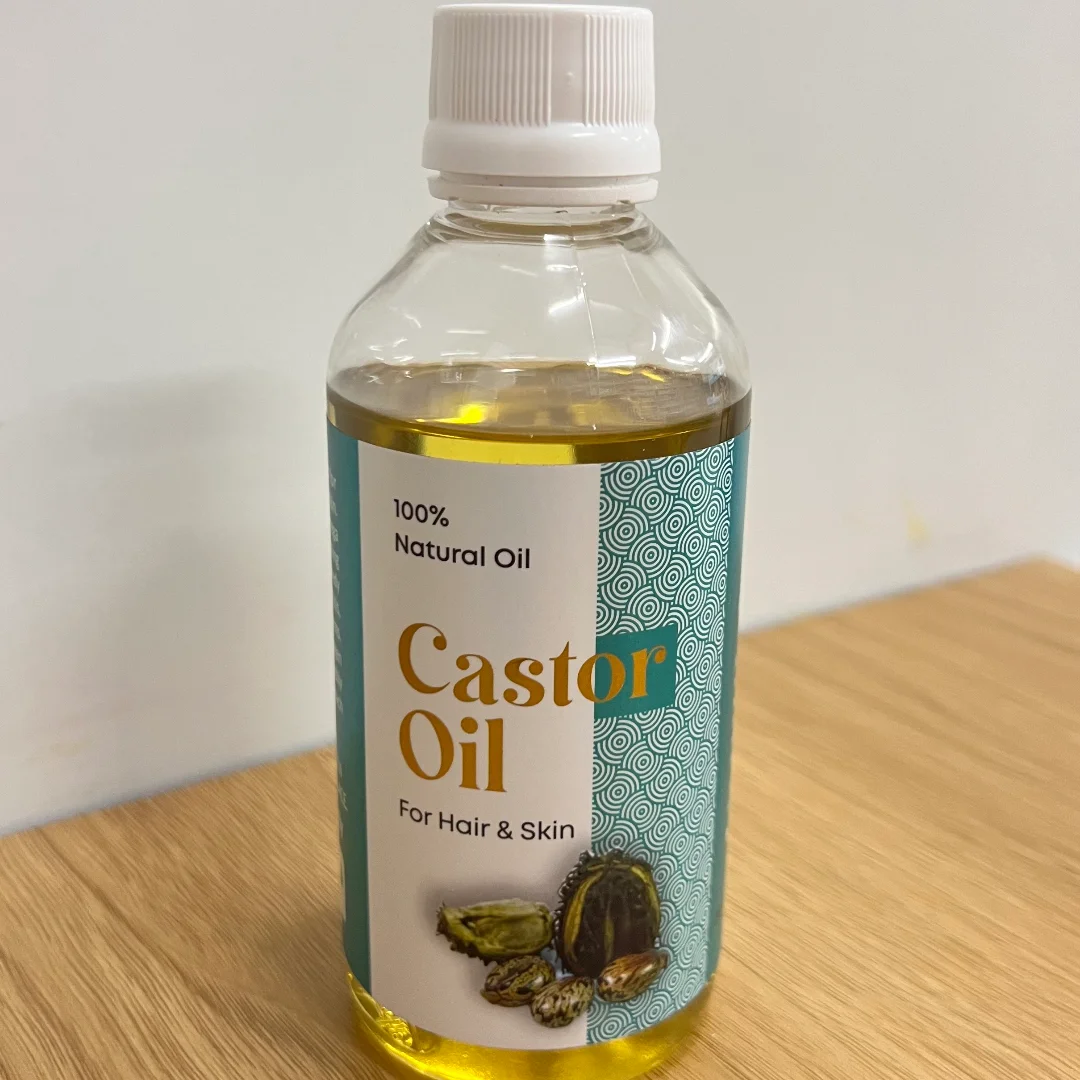
Photo via Pancham
Castor oil is thick, sticky and not for everyone — but for a dry scalp, a compromised barrier or fragile edges under hats and headbands, that thickness is the point. Ricinoleic acid, its main fatty acid, is occlusive: it seals moisture in rather than letting it evaporate, while vitamin E adds antioxidant support against free-radical damage. Mix a tablespoon of castor oil with a tablespoon of a lighter carrier oil such as argan, almond or coconut, plus the oil from one or two vitamin E capsules.
Massage the blend in for five minutes, braid the hair loosely, sleep on a satin pillowcase and shampoo in the morning. The key is restraint — a thin film is enough, and too much castor oil turns gummy and needs two shampoos to remove, which defeats the purpose. Once a week is plenty, and people who wear protective styles or head coverings often find it the most useful of all the oils here for keeping the hairline comfortable.
10. Wash-Day Habits That Protect the Hair You Have

Photo via Planet Hair
Remedies get the attention, but daily handling decides how much hair actually survives to benefit from them. Choose a gentle, pH-balanced shampoo and massage it in with the fingertips, never the nails; condition from the mid-lengths down so the scalp does not get greasy and weighed down. Detangle on damp, conditioned hair in sections, starting at the ends with a wide-tooth comb and working upward, with a little conditioner or a few drops of oil for glide. Wet hair stretches and snaps far more easily than dry hair, so brushing it soaking wet is one of the fastest ways to lose strands that did not need to go.
The small swaps add up just as much. Blot with a microfiber towel instead of rubbing with terry cloth, keep heat styling on low with a protectant and only when needed, and swap tight ponytails and slick buns for claw clips or silk scrunchies — constant tension at the hairline can trigger traction alopecia over time. Before bed, a loose braid and a satin pillowcase cut overnight friction, and a hat at the beach plus a quick rinse after pool chlorine protect against UV and chemical roughening. None of these is dramatic; together they stop a steady leak.
11. Feed Your Follicles: Protein, Iron and the Quiet Nutrients

Photo via Svarasa
Hair is almost entirely protein, and the follicle is one of the fastest-growing tissues in the body — which also makes it one of the first places a shortage shows up. Aiming for roughly 0.8 to 1.2 grams of protein per kilogram of bodyweight a day, from eggs, fish, lentils, tofu, dairy or legumes, gives the follicle the raw material it needs. Iron matters just as much: low ferritin is one of the most common correctable causes of shedding in women, and pairing plant iron with vitamin C improves absorption noticeably.
Zinc from seeds and shellfish, biotin from whole foods, and vitamin D — from sunlight or supplements as advised — round out the picture, and crash dieting is worth naming directly, because a sudden calorie deficit can push large numbers of hairs into the shedding phase weeks later. Supplements work best when they target a genuine deficiency, so if shedding is heavy or prolonged, asking a clinician about ferritin, vitamin D, thyroid and B12 testing is a smarter move than buying a generic hair gummy and hoping.
12. Stress, Hormones and Knowing When to Get Help
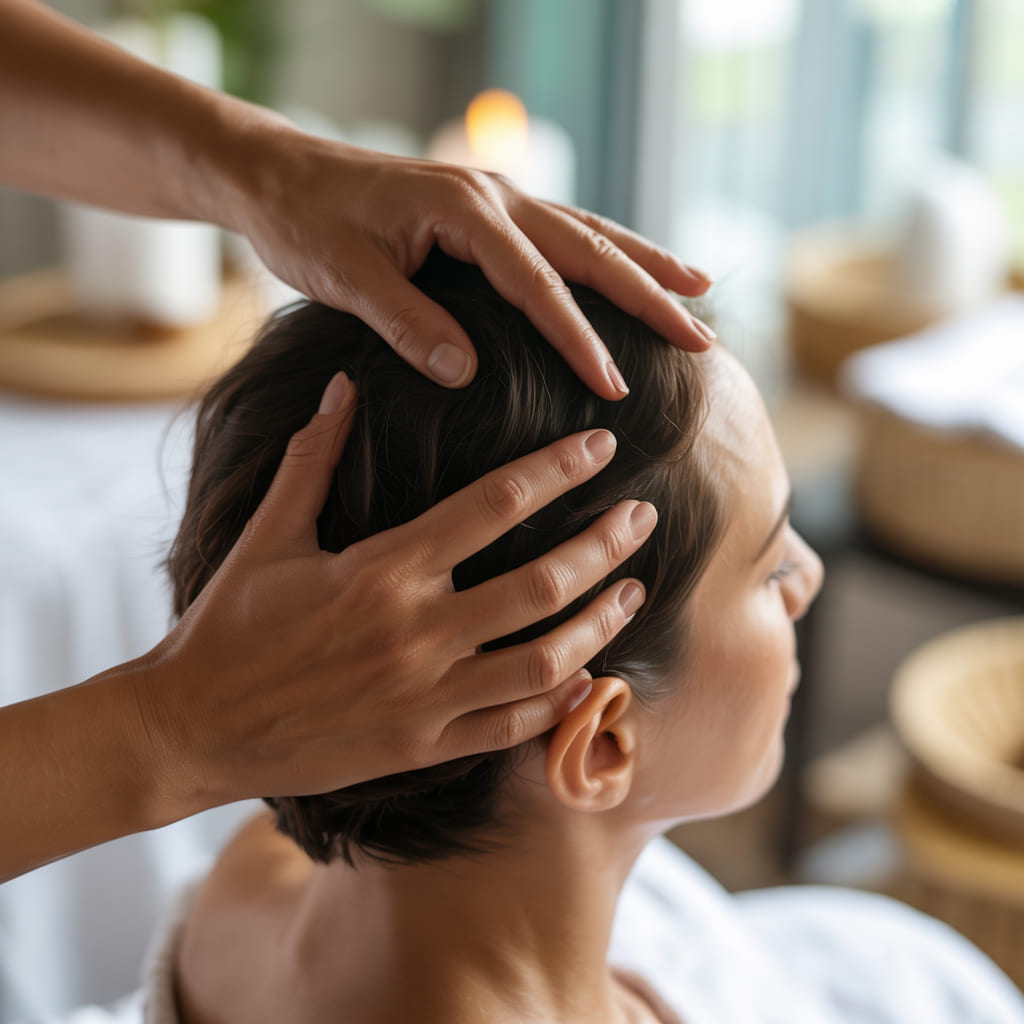
Photo via Tress Stylist
Chronic stress is one of the most underestimated shedding triggers there is. A difficult few months can push a wave of hairs into the resting phase, and the shedding shows up two to three months later — long after the stressful period has passed, which makes the connection easy to miss. A short daily routine helps more than an occasional long one: a few minutes of slow breathing, a two-to-three-minute fingertip scalp massage to encourage circulation, and genuine sleep. Hormonal shifts work the same way — postpartum shedding often peaks around three to four months after birth, and stopping hormonal contraception, perimenopause, PCOS and thyroid changes can all spike shedding too. The foundations stay the same, but bloodwork and medical guidance become especially valuable here.
Home care has its limits, and knowing them is part of the routine. Circular bald patches, sudden bald stripes, scarring or pus, thinning eyebrows or lashes, or shedding that persists beyond three to four months with a widening part all warrant a dermatologist rather than another mask. These remedies complement medical care; they do not replace it. And for anyone tracking progress, the honest measures are simple: a photo of the part and hairline in the same light every two weeks, a weekly shed count on wash day, and a monthly ponytail measurement — a downward trend over six to twelve weeks is the sign the routine is working.
Final Thoughts
Stopping hairfall at home is not about finding one miracle ingredient. It is about a small system that works together: a calm, clean scalp, two or three remedies used consistently rather than ten used once, gentle handling that stops breakage before it starts, and food and stress care that support the follicle from the inside. The first changes to notice are usually the quiet ones — less hair in the brush, smoother lengths, a scalp that stops itching — and visible density follows months later, because hair grows on its own schedule and no routine can rush it.
The most useful habit of all might be patience with a plan. Choose the remedies that match the actual problem, keep the routine simple enough to repeat every week, and track the trend instead of judging each wash day. Hair responds to consistency far more than to intensity, and twelve weeks of steady, gentle care will do more than any single dramatic treatment ever could.