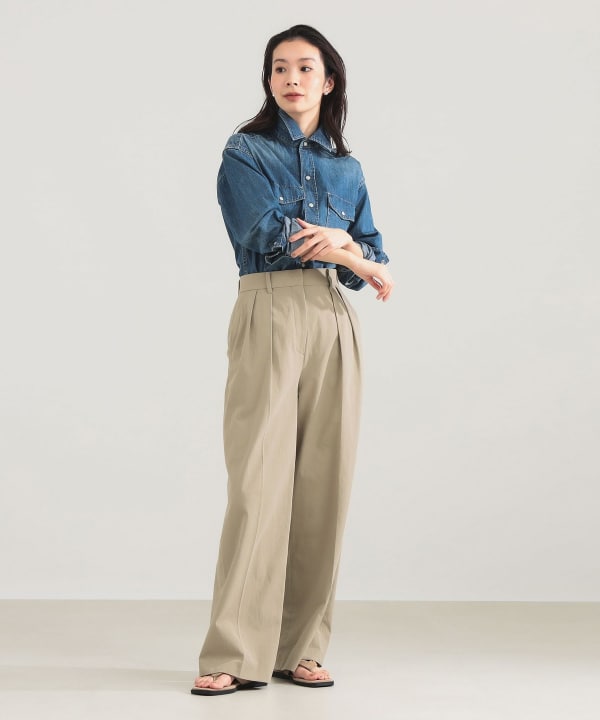
The Art of Looking Rich and Classy Without the Hefty Price Tag

Looking expensive has very little to do with how much an outfit costs. The women who always seem polished are not necessarily spending more — they are spending more deliberately. Their clothes fit properly, their fabrics behave, their colours stay calm, and nothing in the outfit is competing for attention. The result reads as wealth because it reads as control, and control costs nothing.
The good news is that every part of that look can be learned and built on a modest budget. A hemmed trouser, a dense cotton shirt, a neutral palette, one structured bag — these are small, affordable choices that add up to a wardrobe that looks far more expensive than it is. This guide breaks the art down into five principles, so you can start with the pieces you already own and upgrade only where it shows.
1. Fit First: Tailoring Is the Cheapest Luxury
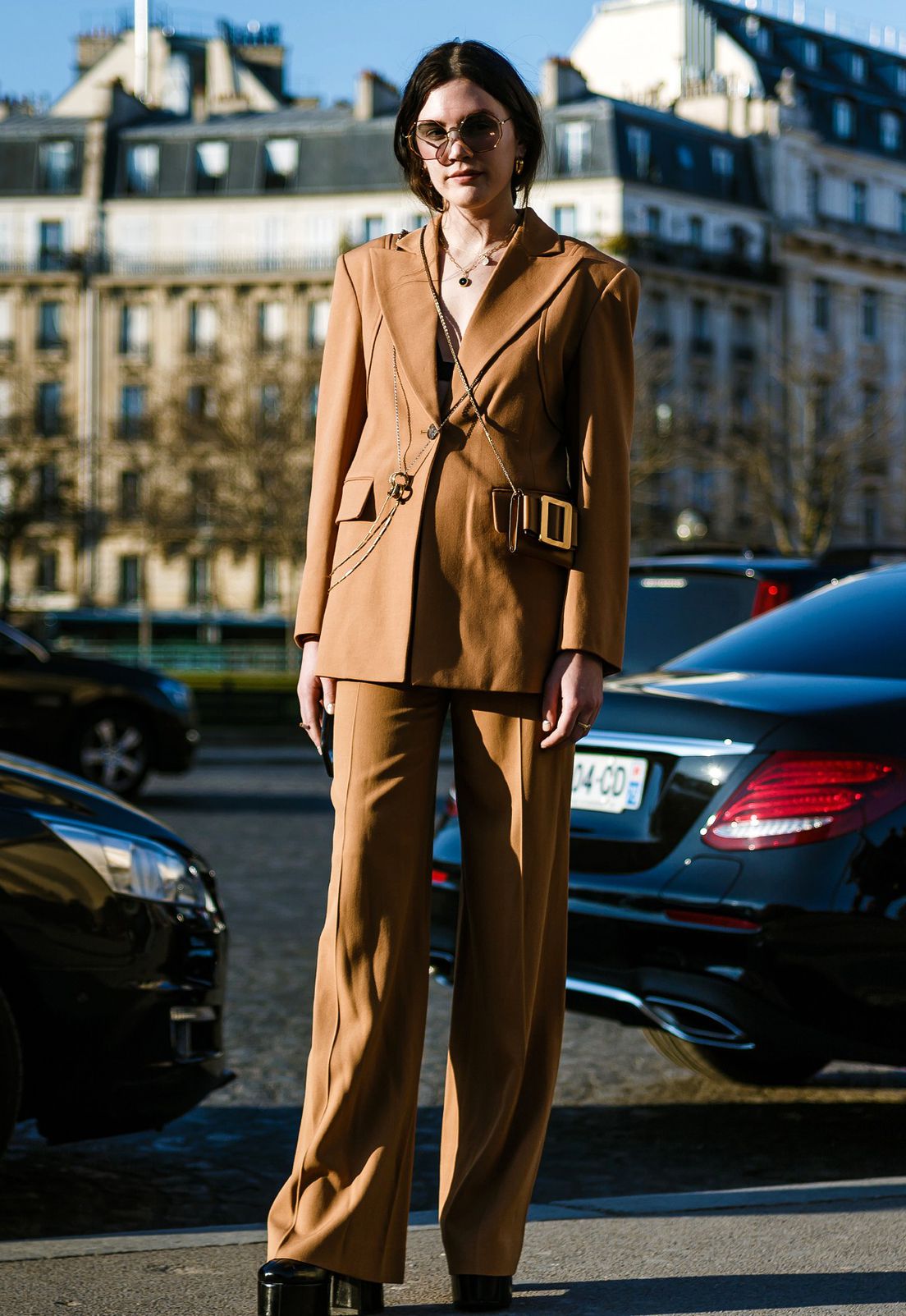
Photo via Zene.ba
Fit is the single most visible difference between an outfit that looks rich and one that looks cheap, and it has nothing to do with the label inside. A blazer that sits cleanly on the shoulder, trousers that break neatly over the shoe, a shirt that closes without pulling — the eye reads all of that as composure before it ever notices a brand name. An expensive piece that sags, gaps or drags will always lose to a modest one that follows the body properly.
That makes tailoring the best-value purchase in fashion. A hem, a waist suppression or a sleeve adjustment on the piece you wear most often costs a fraction of a new garment and changes how the whole outfit reads. Before buying anything new, check the details that give fit away: sleeves that creep up when you reach for a bag, a waistband that gaps at the back, a jacket that strains at the button. Fix the fit first and the rest of the look follows.
2. Choose Fabrics That Hold Their Shape
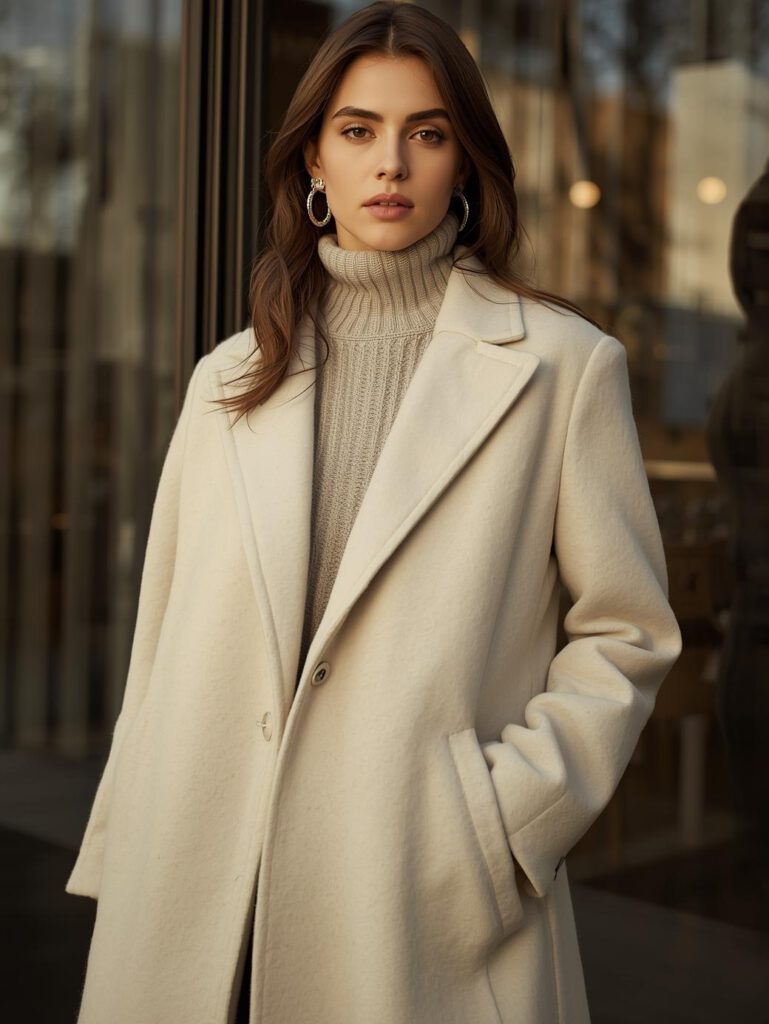
Photo via Art Design Cologne
Fabric is where an outfit proves itself — or gives itself away. A tightly woven wool, a substantial cotton, a knit with some density: these materials keep their line into the afternoon, while thin, flimsy cloth wrinkles at the elbow, clings at the shoulder and looks tired by lunch. A cream wool coat over a beige turtleneck reads expensive because the cloth has weight and structure, not because the coat cost a fortune.
When choosing between two versions of the same piece, pick the heavier hand and the quieter finish. Low sheen matters as much as weight — shiny fabric catches the light in the wrong places and reads worn before the day is over, while matte cloth with a dense weave looks calm and considered. Run a hand over the fabric before buying: if it feels substantial and springs back instead of creasing, it will behave well all day and look far more costly than it is.
3. Build Around a Quiet Neutral Palette

Photo via Rominah
Neutrals are the fastest shortcut to looking classy, and the cheapest one too. Beige, cream, camel, navy, charcoal and soft white mix with each other without effort, so a small wardrobe suddenly produces many outfits — and every combination looks deliberate. A beige blazer over cream trousers with nude shoes needs no explanation; the palette itself does the styling. Loud colours and busy prints, by contrast, demand perfect coordination to look polished, and they date fast.
The trick is to keep the palette narrow and wear it in layers of tone rather than one flat shade. Cream against camel, charcoal against soft grey, navy against white — tonal dressing adds depth without adding cost. Start with three neutrals you actually reach for every week and build around them; when everything in the closet belongs to the same family, getting dressed stops being a gamble and starts looking like a signature.
You may also like: 20 White Christmas Outfit Ideas for a Chic Holiday
4. Accessories That Whisper, Not Shout
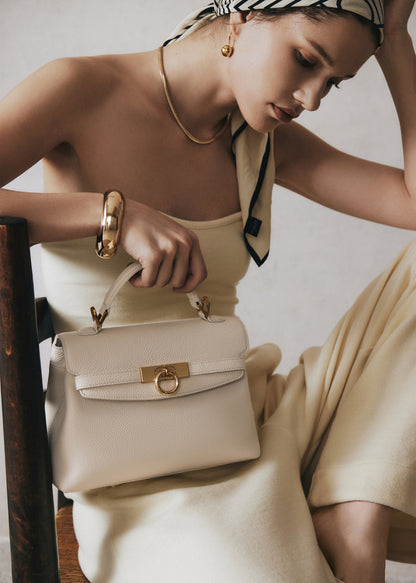
Photo via Parisa Wang
Accessories should confirm an outfit, not compete with it. One structured bag, a slim gold chain, a pair of small hoops, a clean watch — each piece quietly sharpens the look, and none of them needs a logo to do it. In fact, the loudest logos often do the opposite of what they promise: a bag covered in branding reads as trying, while a plain structured tote in cream or tan reads as settled. The eye trusts quality it can see — clean stitching, a clasp that closes properly, leather with some body — far more than a name it is told to admire.
The rule is to stop when the outfit already looks resolved. If the bag, the jewellery, the belt and the shoes are all announcing themselves at once, the eye has nowhere to rest. Choose one quiet focal point and let the rest stay in the background, and invest in structure over decoration: a bag that holds its shape empty will look expensive for years, while a slouchy one with a flashy clasp will look tired within a season.
5. The Finishing Details That Read Expensive
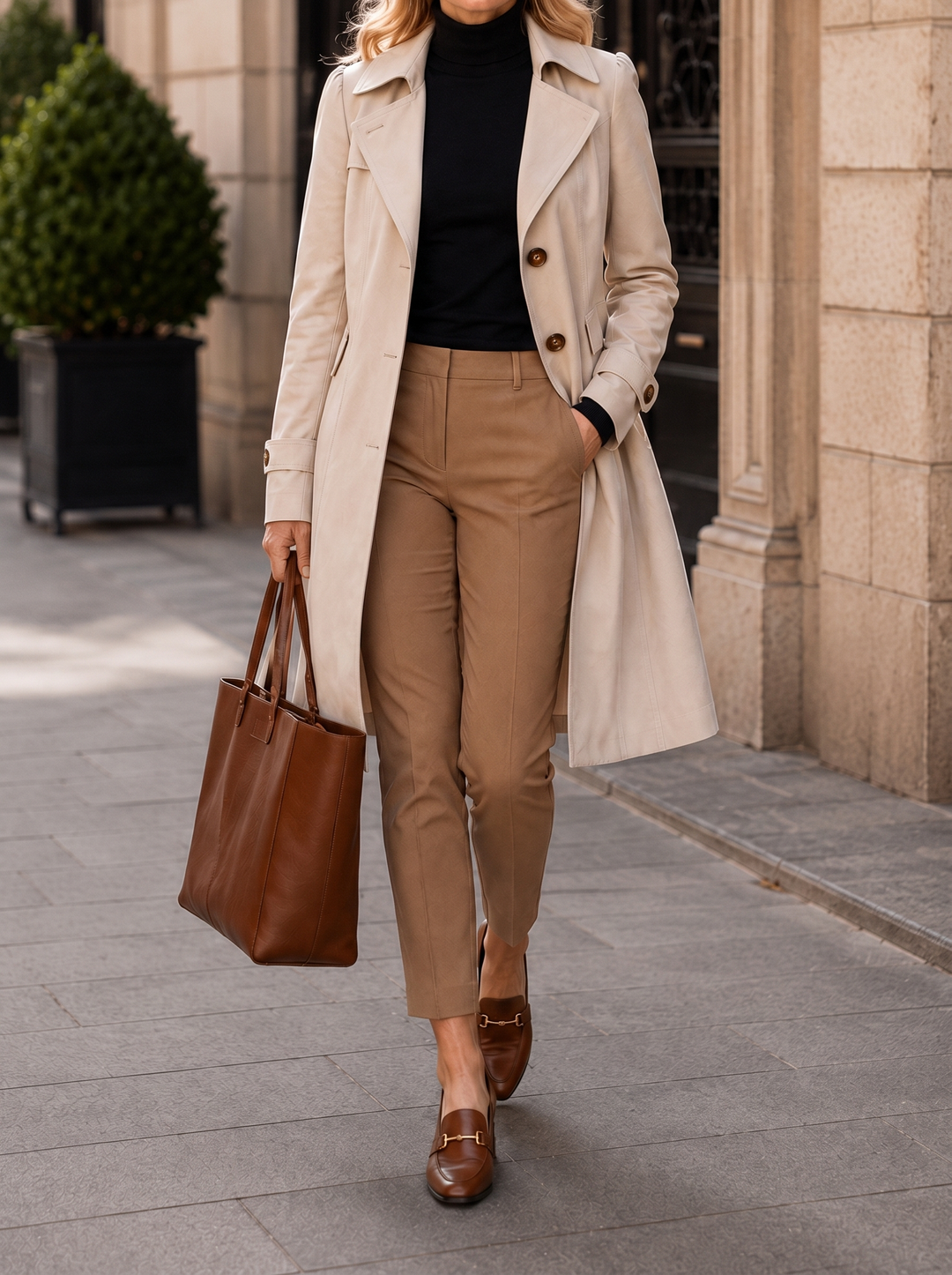
Photo via Hannah William Victoria
The final layer of looking rich is not a purchase at all — it is maintenance. Clean, polished shoes; a coat that has been steamed, not crumpled; nails kept neat; hair brushed and tidy. None of these things cost much, yet they are the first things the eye registers. A beige trench over a black turtleneck with camel trousers and polished loafers looks expensive because every detail is finished: the buttons are done up, the hem is straight, the leather is cared for. The same outfit, wrinkled and scuffed, would read entirely differently.
Build a small upkeep habit and it pays off every single day. Steam the coat before wearing it, wipe the shoes after a long day, keep a lint roller by the door, and mend a loose button the week it loosens instead of the month after. These are five-minute jobs, and they are what separate an outfit that looks considered from one that looks assembled in a hurry. Wealth, in dressing, is mostly just attention — and attention is free.