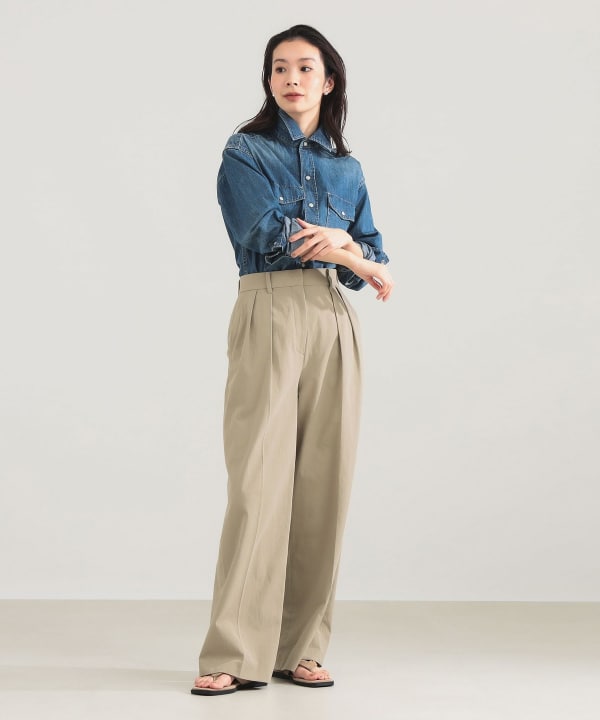
The Complete Guide to Old Money Style: Quiet Luxury Without the Logos

Old money style is one of the most misunderstood looks in fashion. It is not a head-to-toe beige uniform, and it is certainly not a hunt for the most expensive label. The women who dress this way are not trying to prove anything — their clothes simply behave: the fabric sits flat, the seams follow the body, the hem lands exactly where it should, and nothing needs a logo to do the talking.
That is the real secret of quiet luxury. It is a discipline of fit, fabric and repetition, and it is far more achievable than the price tags suggest. A well-cut blazer from a mid-range brand, a dense cotton shirt, a pair of wool trousers that hold their line — these are the pieces that read expensive from across the room. This guide breaks the look down into six principles, so you can build it from the wardrobe you already own.
1. Fit Comes First, Labels Come Last
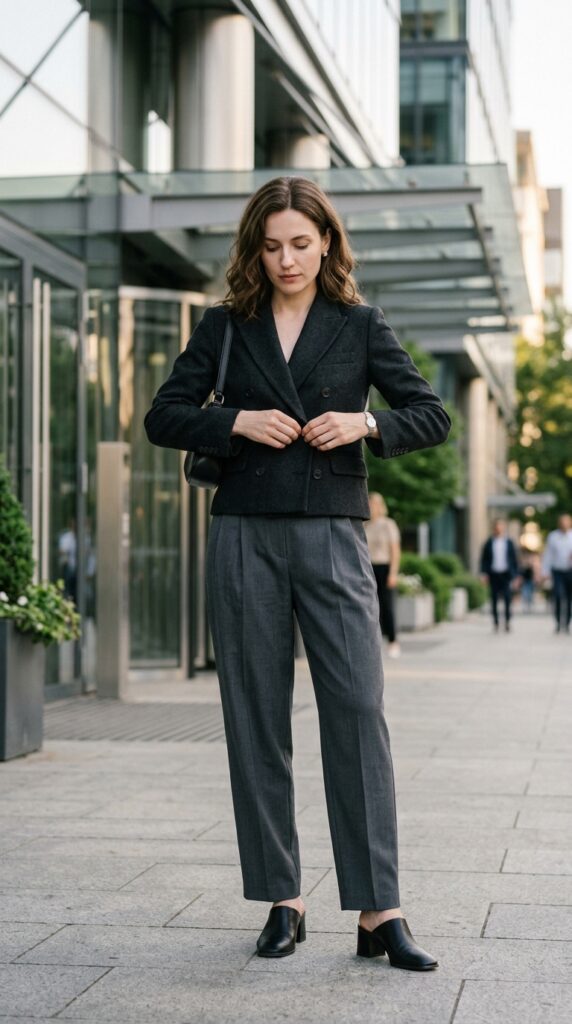
Photo via Cruise Ship Mania
The single biggest difference between an outfit that looks expensive and one that does not is fit. A plain blazer that sits cleanly on the shoulders and closes without strain will always outshine a designer piece that pulls at the buttons or sags at the collar. The eye reads a good fit as composure, and a bad fit as fuss — long before it notices any brand name.
Check the details that give fit away: sleeves that creep up when you reach for your bag, trousers that pool over the shoe, a waistband that gaps at the back. Tailoring the one piece you wear most — a hem, a sleeve, the waist of a blazer — costs far less than a new purchase and changes how the whole outfit reads. A modestly priced trouser that breaks neatly over the shoe beats an expensive one that drags and twists, every time.
2. Fabrics That Hold Their Shape
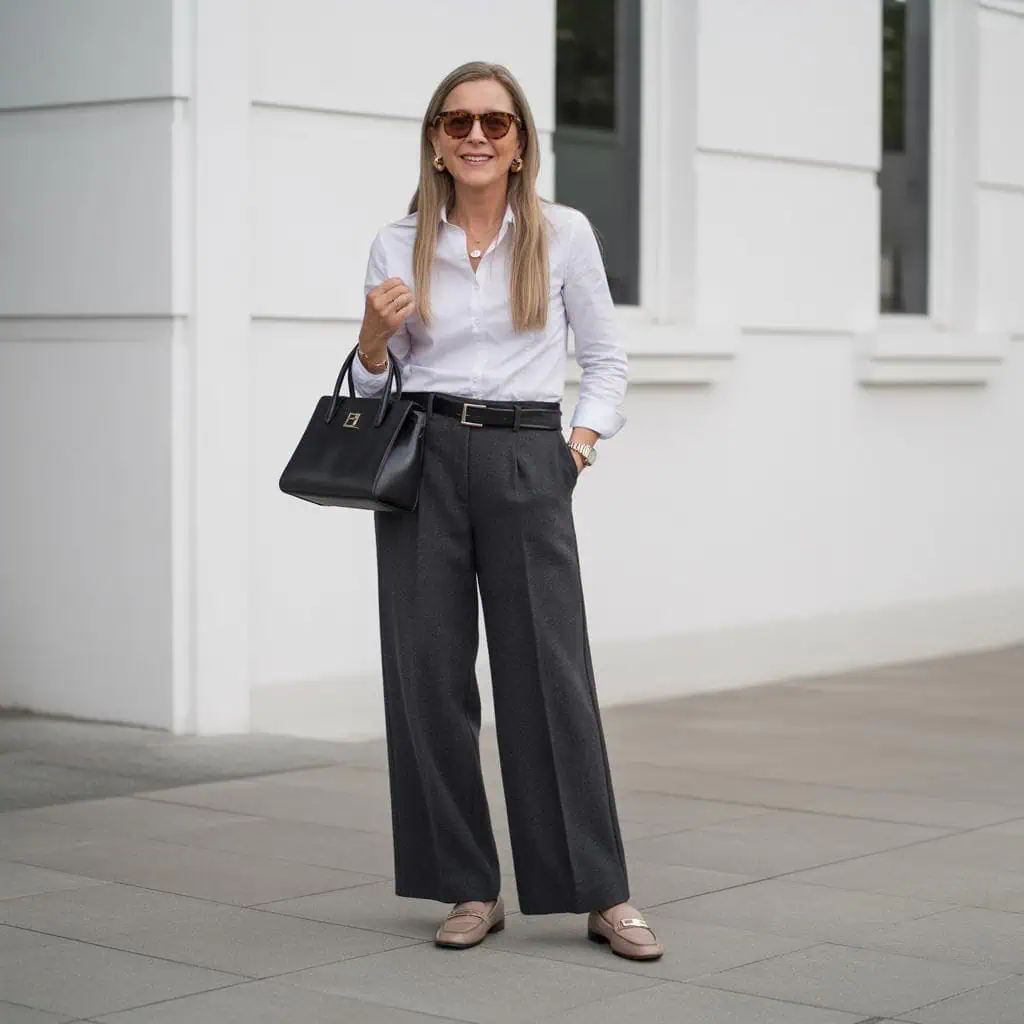
Photo via Petite Dressing
Cloth is where quiet luxury is won or lost. A tightly woven wool, a substantial cotton poplin, a silk with some body — these fabrics keep their line into the second hour of the day, when thin stretch starts to ripple at the elbows and flimsy cloth goes limp at the shoulder. A crisp white shirt in dense cotton sits flat under a jacket; the same shirt in thin fabric clings, creases and shows every seam by lunch.
Low sheen matters just as much as weight. Shiny fabric catches the light in the wrong places and reads worn before the day is over, while matte cloth with a dense weave looks calm and considered. When you are choosing between two versions of the same piece, pick the one with the heavier hand and the quieter finish — it is the one that will still look composed at six in the evening.
3. The Power of Repetition
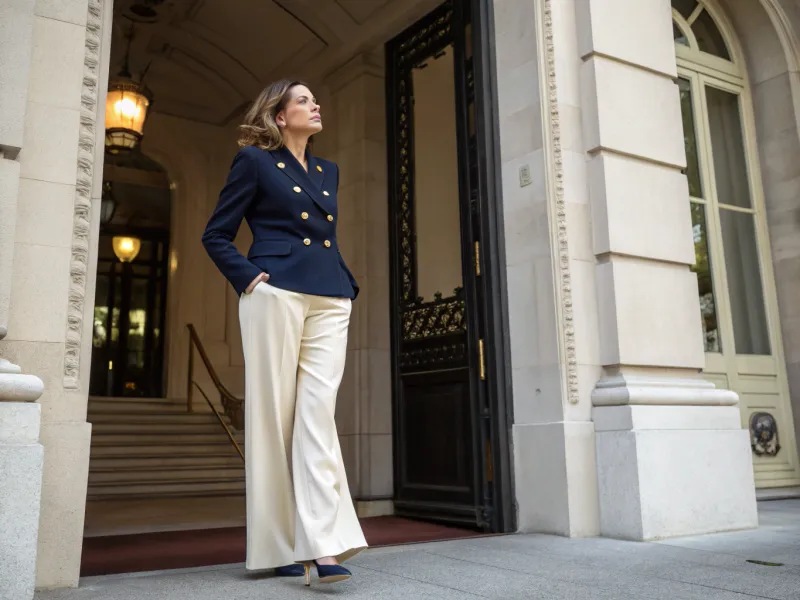
Photo via Moms Koop
Newness looks restless. Repetition looks chosen. The woman who wears the same navy blazer with wool trousers on Monday and with dark jeans and loafers on Thursday reads as more controlled than the one cycling through six almost-good outfits that all need explaining. Repeating a strong formula is not laziness — it is a signal that you know what works on your body and have stopped auditioning every morning.
Repetition is also where a moderate budget wins. One well-made blazer worn forty times is a better purchase than three cheaper pieces that wrinkle, shine or need constant adjusting. Choose one outfit formula and let it breathe: the same shoulder line, the same hem, the same fabric weight, in a different setting. Keep the navy, the charcoal, the cream — and wear them often enough that they look settled, not newly assembled.
You may also like: 20 Trending Sweater Outfits to Wear This Fall: Chunky Knits, Turtlenecks and Cosy Layers
4. What to Keep and What to Cut
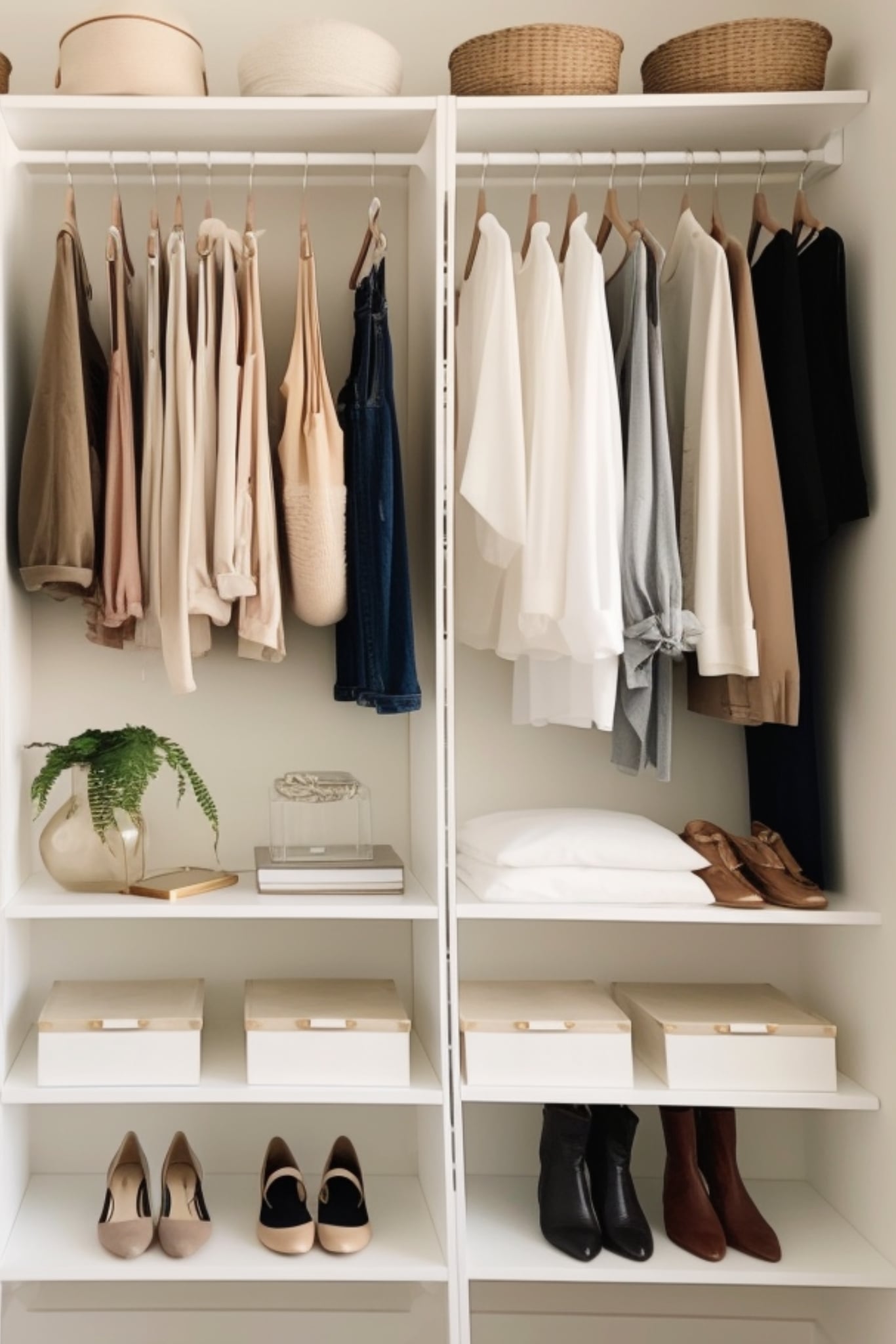
Photo via Style by Savina
Open the closet and be honest about what earns its hanger space. Keep anything you wear twice a month or more — if a blazer, trouser, knit or shoe already serves work, dinner and the weekend, it stays. Keep the item that still looks composed after a long day, and keep the version with the cleanest shape rather than the fanciest label. Better seams, denser fabric, less sheen: that is what reads expensive from three feet away.
Cut anything that needs constant rescue. If a piece has to be pinned, steamed, tugged or built around, it is stealing time you do not have. And tailor the piece that is almost right — a waist suppression, a hem or a sleeve tweak can turn an ordinary jacket into a repeatable one. The wrong belief is that special pieces make a wardrobe feel improved; they usually just make it fragile. Keep the clothes you can wear hard and often, and cut the ones that only perform in a mirror.
5. Accessories That Finish, Not Shout
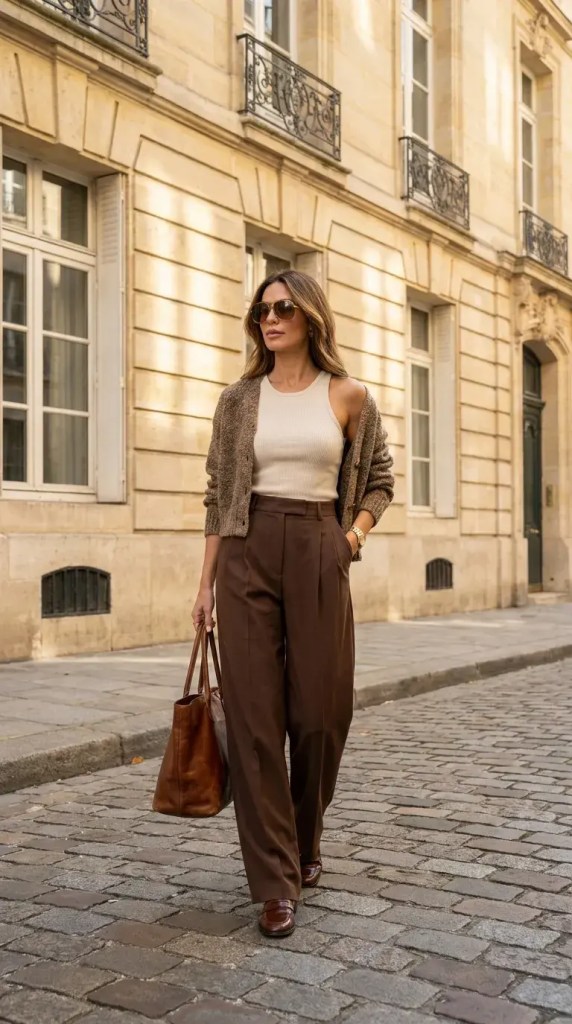
Photo via Decrozy
Accessories should confirm the outfit, not compete with it. A clean shoe, a belt that sits flat, one watch, one pair of earrings and a bag with structure can sharpen a good outfit fast — but the same pieces on a weak outfit only make the weakness more expensive. No bag, however beautiful, can do the job of tailoring, fabric and judgment all at once.
The rule is to stop when the clothes already look resolved. If the shoes, bag, belt and jewellery are all announcing themselves at the same time, the eye has nowhere to rest. Choose one quiet focal point — a structured leather tote, a slim gold watch, a pair of polished loafers — and let the rest stay in the background. Less obvious, more exact: that is the whole point.
6. Building a Small, Strong Wardrobe
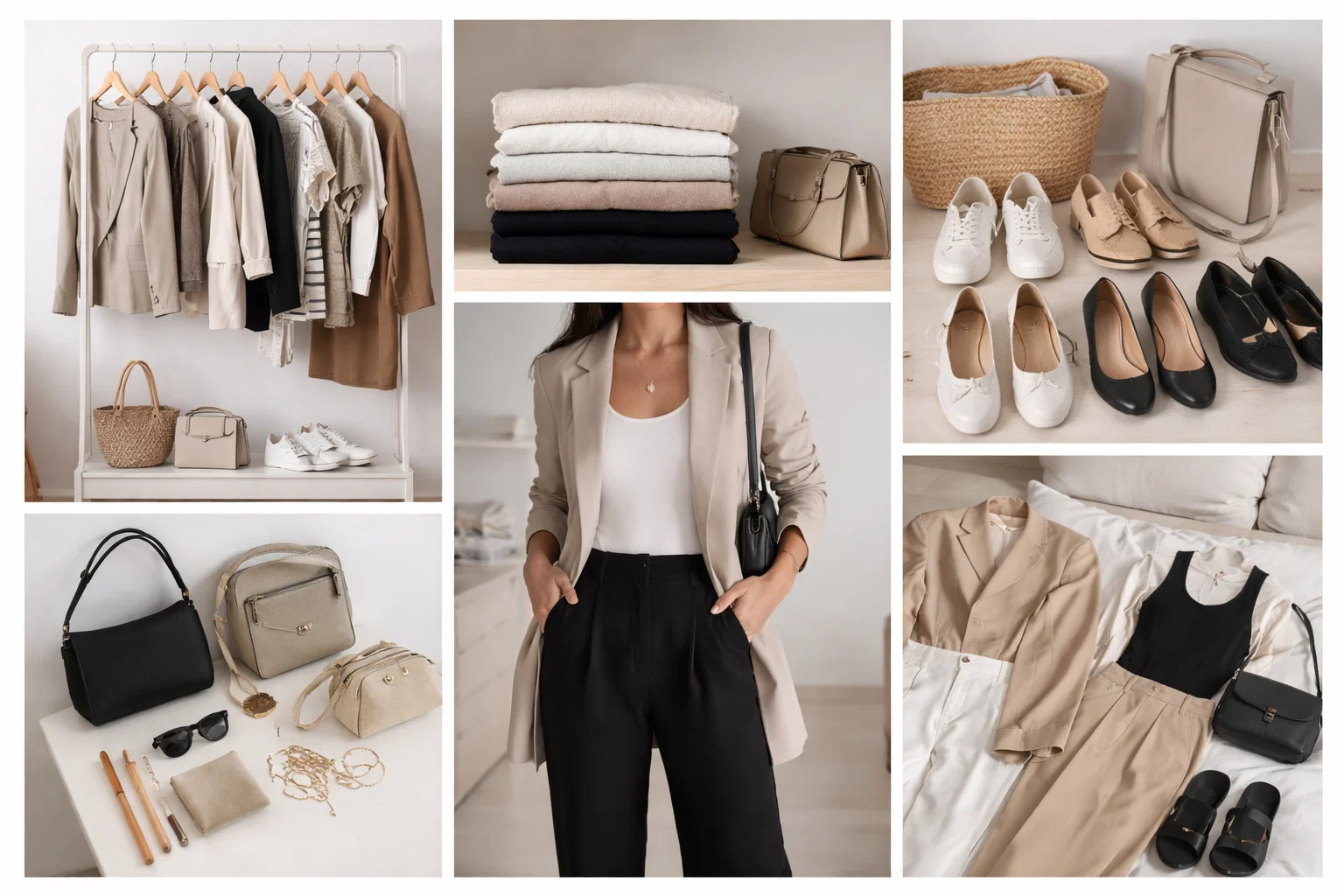
Photo via Pouted
A small wardrobe reads richer than a crowded one when the pieces hold their shape and repeat cleanly. Build around three neutrals you actually wear hard — navy, camel, charcoal, cream, olive — rather than the fantasy palette you admire on a rail. Every piece should survive three contexts: office, dinner and travel. If a sweater pills after two washes, if a shirt shines at the elbow, if a trouser twists at the thigh, it is dead weight no matter how elegant it looked in the fitting room.
Tailor the waistband, sleeve or hem before you buy another accessory, and replace one weak link at a time rather than overhauling everything at once. Then wear the same strong pieces again on purpose. That is how a small wardrobe stops feeling like a limitation and starts looking like a signature — fewer pieces, better behaved, worn with the confidence of someone who already knows what works.