
How to Get Rid of Blackheads and Keep Your Pores Clear

Blackheads have a way of making otherwise healthy skin look uneven, especially across the nose, chin and forehead, where pores are largest and oil production is highest. They show up as tiny dark specks that no amount of foundation seems to fully hide, and because they sit right at the surface, they invite the worst kind of attention: the magnifying mirror, the fingernails, the harsh scrub that promises to blast them away in one go.
None of that works for long, and most of it makes things worse. Clearing blackheads is a slow, steady process built on five things: understanding what is actually in the pore, cleansing gently twice a day, using the right active ingredients, supporting the routine with masks instead of squeezing, and fixing the small daily habits that keep refilling the pores. Get those five right and the blackheads fade gradually — and stay away far longer than any quick fix allows.
1. Know What You Are Actually Dealing With
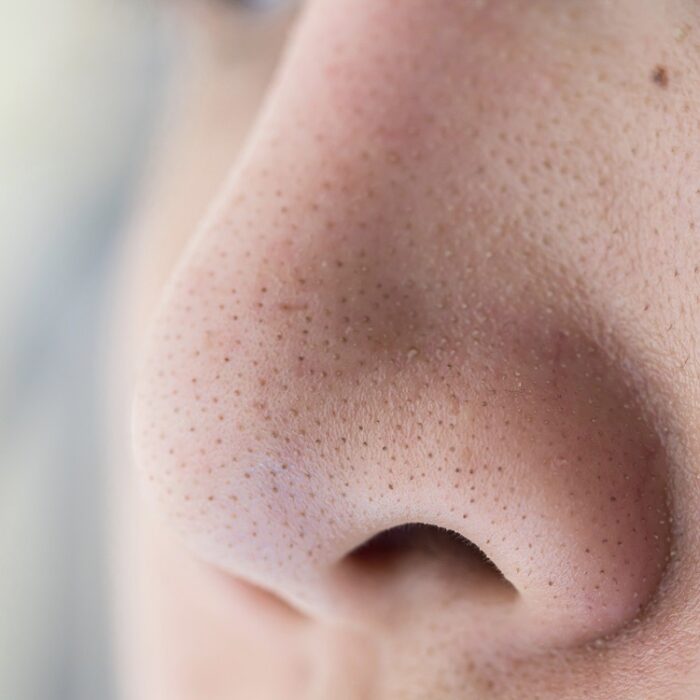
Photo via Salon Estetico Vanita
A blackhead is a pore whose opening is blocked by a plug of oil and dead skin cells. Because the plug is exposed to air, its surface oxidises and turns dark — which is why it looks like a speck of dirt, even though dirt has very little to do with it. That distinction matters, because it means scrubbing harder or washing more often cannot solve the problem; the plug is inside the pore, not sitting on top of it, and aggressive cleaning only irritates the skin around it.
It also helps to know what is not a blackhead. Whiteheads are the same kind of plug under a thin layer of skin, which is why they stay pale and bump-like. Sebaceous filaments, the tiny greyish dots that run evenly across many noses, are a normal part of healthy skin — they are the channels that carry oil to the surface, and they refill within days even after extraction. And pores themselves cannot be erased or permanently shrunk; the realistic goal is keeping them clear so they look smaller and smoother, not chasing a poreless finish that skin was never designed to have.
2. Build a Gentle Twice-Daily Cleansing Routine
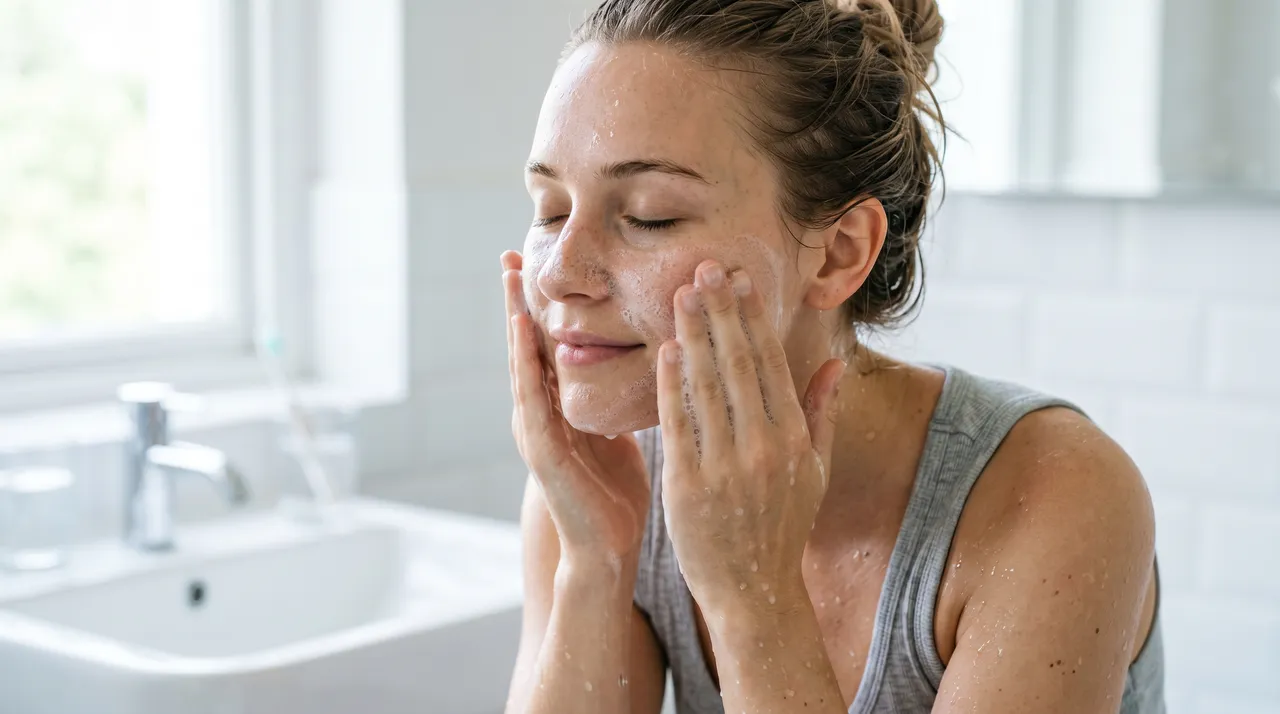
Photo via Luxe Face Luxe Body
Everything else in a blackhead routine rests on cleansing, and the version that works is far gentler than most people expect. Wash twice a day — morning and night, plus after heavy sweating — with lukewarm water and a mild, non-abrasive cleanser applied with the fingertips. Rough washcloths, spinning brushes and gritty scrubs feel thorough, but the friction inflames the skin and can push oil production up rather than down, which is the opposite of what congested pores need.
Product choice matters as much as technique. Look for cleansers, moisturisers and sunscreens labelled non-comedogenic, which are formulated to be less likely to clog pores, and keep heavier oils and rich creams away from the T-zone if that area breaks out easily. One practical upgrade is switching the evening cleanse to a formula containing salicylic acid, so the cleanser itself starts working inside the pores rather than only on the surface — a small change that compounds over weeks of consistent use.
3. Add Salicylic Acid, Then a Retinoid
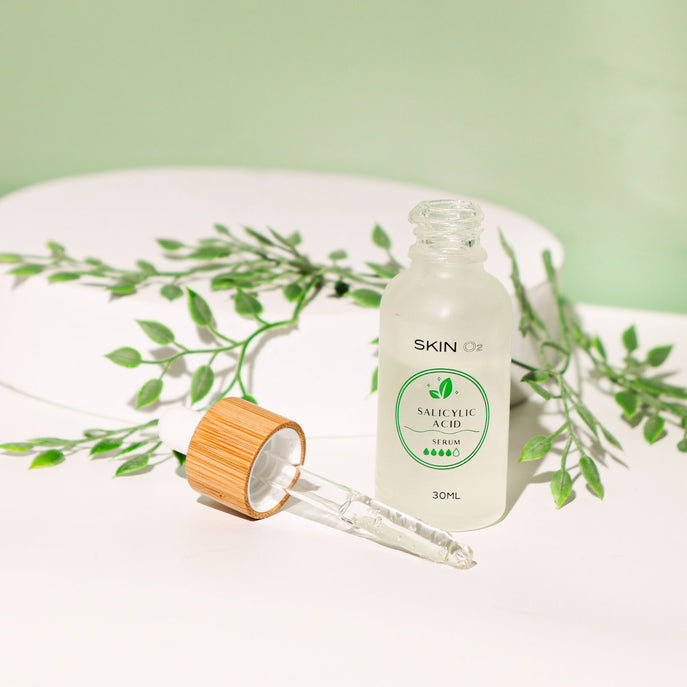
Photo via SKIN O2
If cleansing is the foundation, chemical exfoliation is the tool that actually clears the pore. Salicylic acid is the standout ingredient here because it is oil-soluble, which means it can travel down into the pore and dissolve the mix of sebum and dead cells that forms the plug. Alpha-hydroxy acids such as glycolic and lactic acid work more on the surface, smoothing texture and lifting away the dead cells before they can fall into a pore — useful, but a different job. A few times a week is the right starting frequency for either; daily use on unprepared skin is how redness and flaking begin.
For blackheads that keep coming back, a topical retinoid is the longer-term answer. Retinoids speed up cell turnover and change how skin cells shed inside the pore, so the sticky buildup that becomes a plug forms less readily in the first place. Over-the-counter adapalene is a common starting point, while stronger options need a prescription. Either way, the same rule applies: start every other night, pair it with a plain moisturiser, expect several weeks before the difference shows, and introduce only one new active at a time so the skin — and its owner — can tell what is actually helping.
You may also like: 20 Playful Neon Football Game Outfits That Glow Under the Stadium Lights
4. Use Masks for Support and Leave Squeezing Alone
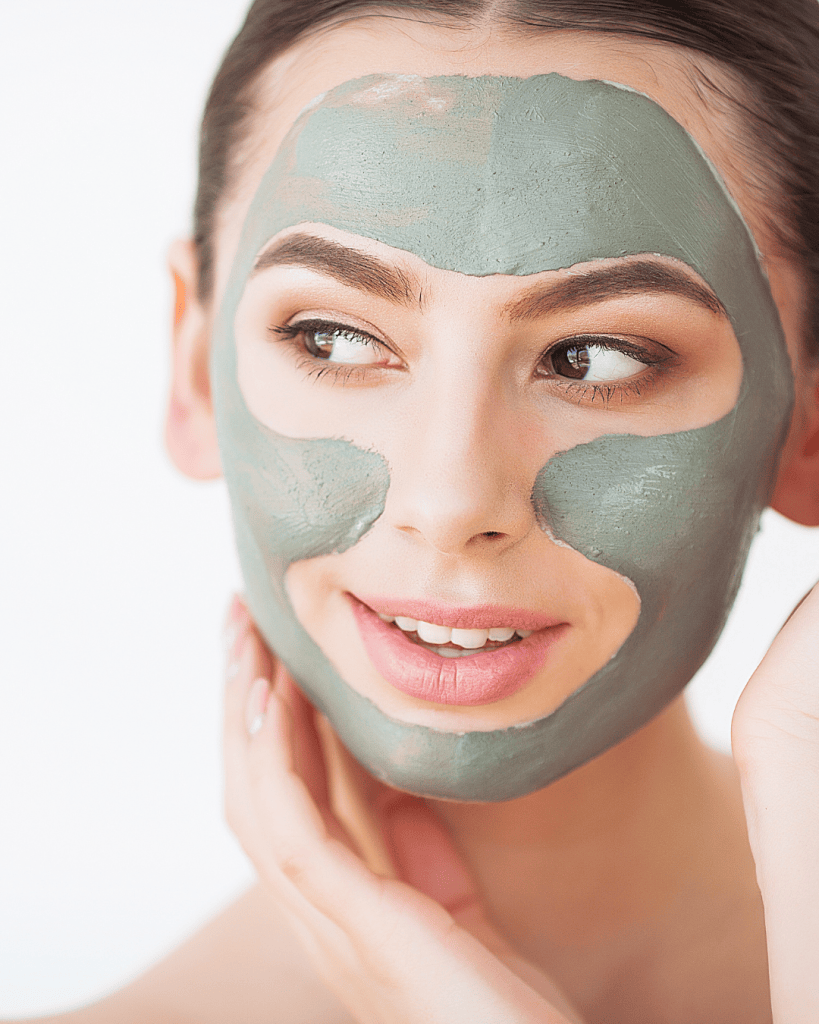
Photo via My Organic Universe
A clay mask once a week is a genuinely useful supporting step. Kaolin and bentonite clays absorb excess oil and draw loose debris out of the pores, which makes the nose and chin look noticeably clearer for a few days — particularly welcome before an event. It is a supplement to the daily routine, not a replacement for it, and the mask should come off while it is still slightly tacky rather than left to crack dry, which can leave the skin tight and irritated.
What does not help, however satisfying it feels, is squeezing. Pressing on a blackhead can rupture the pore wall and push debris deeper, turning a harmless dark plug into a red, inflamed spot — or, over time, a scar. If a few visible blackheads truly need extracting, the safer route is a professional facial, where the skin is softened first and sterile tools are used under proper light. At home, the only version worth attempting is on freshly cleansed, steamed skin, with clean hands wrapped in tissue and the lightest pressure — and if the plug does not move in one or two tries, it stays. Forcing it is always the wrong call.
5. Fix the Habits Around Your Skin and Know When to Get Help
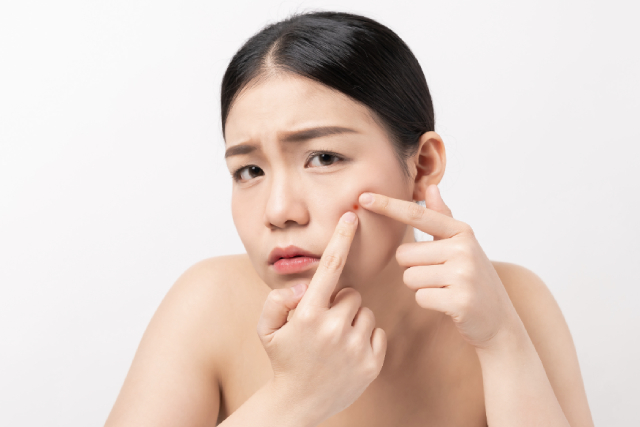
Photo via My Cozy Room
Skincare products do most of the work, but the habits around them decide how much work there is to do. Sleeping in makeup, pressing a phone against the cheek all day, or going weeks without washing a pillowcase all put extra oil and bacteria against the skin, and heavy hair products along the hairline can clog the follicles there too. A non-comedogenic sunscreen matters as well: sun damage thickens the outer skin over time, which makes pores and any marks left behind look more pronounced, and it is especially important once exfoliating acids or retinoids are part of the routine.
There is also a point where home care has done all it can. If blackheads and breakouts have not improved after a few months of a consistent routine, or if acne is widespread, painful or leaving scars, a dermatologist can prescribe stronger retinoids, arrange in-office extractions or suggest treatments matched to the skin type. The same applies to anything that is not a blackhead at all — a mole that is new, changing, bleeding or itching should never be treated at home with acids, creams or cutting tools. That is firmly a professional’s job, and recognising the difference is part of looking after skin well.
Final Thoughts
Getting rid of blackheads is less about any single product and more about a system that runs quietly in the background: gentle cleansing, one or two well-chosen actives, a weekly mask, and habits that stop refilling the pores as fast as they are cleared. The results arrive slowly — weeks, not days — which is exactly why so many people abandon a working routine for the next harsh scrub or extraction session. Patience is not the glamorous part of skincare, but for blackheads it is the part that actually works.
The other half of the lesson is knowing what not to chase. Sebaceous filaments will always be there, pores will always be visible up close, and skin will never look filtered in real life. What a good routine delivers is something better than perfection: pores that stay clear, texture that feels smooth, and skin that needs less covering up. Start with the cleansing and the salicylic acid, give it a month, and let the mirror — not the magnifying glass — be the judge.