
Habits of People Who Do Not Age and How to Build Them
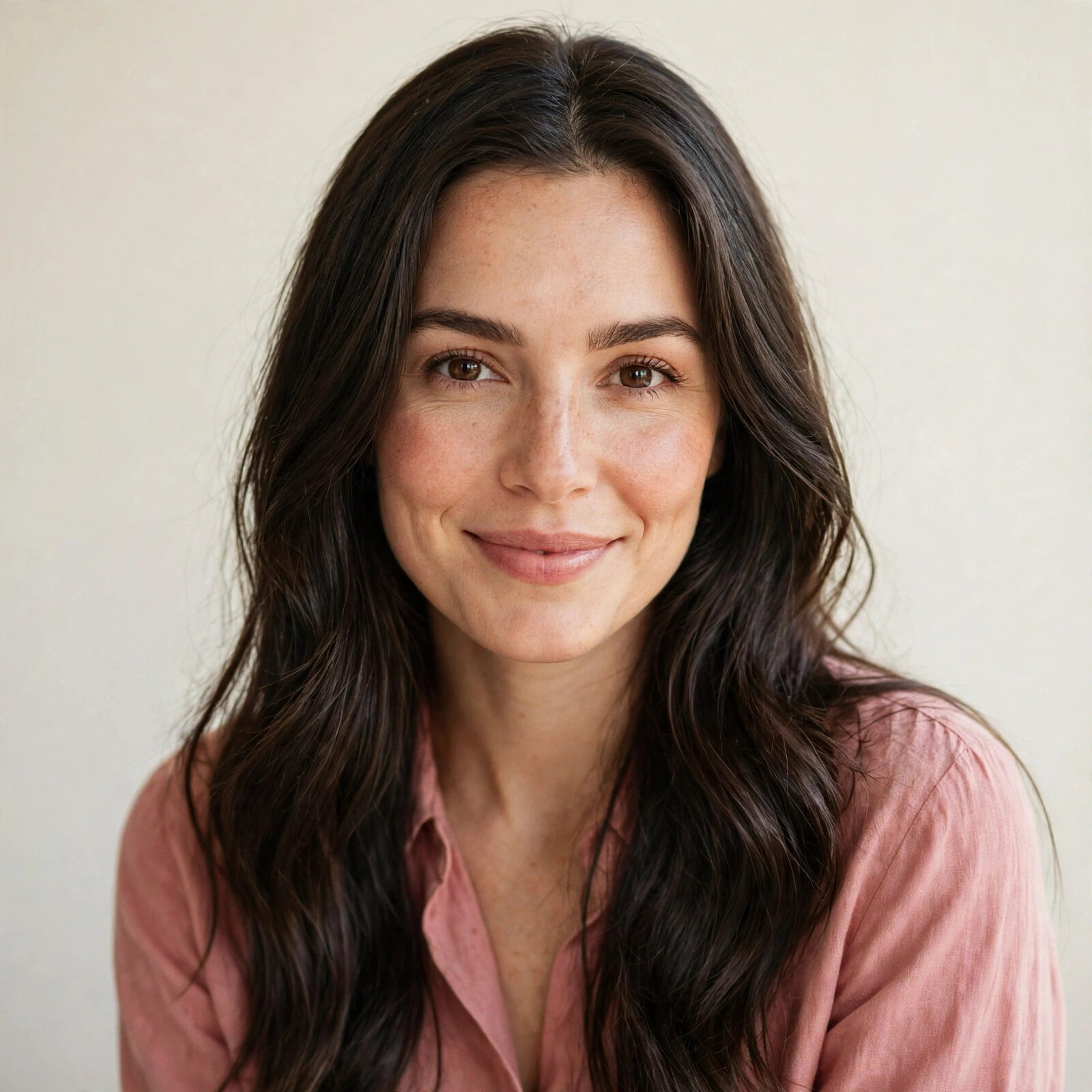
Everyone knows someone like this: a woman who looks more or less the same at fifty as she did at thirty-five, and no one can quite explain why. It is tempting to credit good genes or an expensive serum, but the truth is usually far less glamorous. The people who seem not to age tend to do a small set of unremarkable things, every single day, for years on end. None of them are dramatic on their own. Stacked together, they change how the body and the skin hold up over time.
The seven habits below are not quick fixes and they do not require a new routine bought in a single shopping trip. They cover the areas that genuinely move the needle — sun protection, food, movement, sleep, stress, the habits worth dropping, and the mindset that holds it all together. Start with one or two, let them become automatic, and the rest get easier to add.
1. Sun Protection Comes First, Every Morning
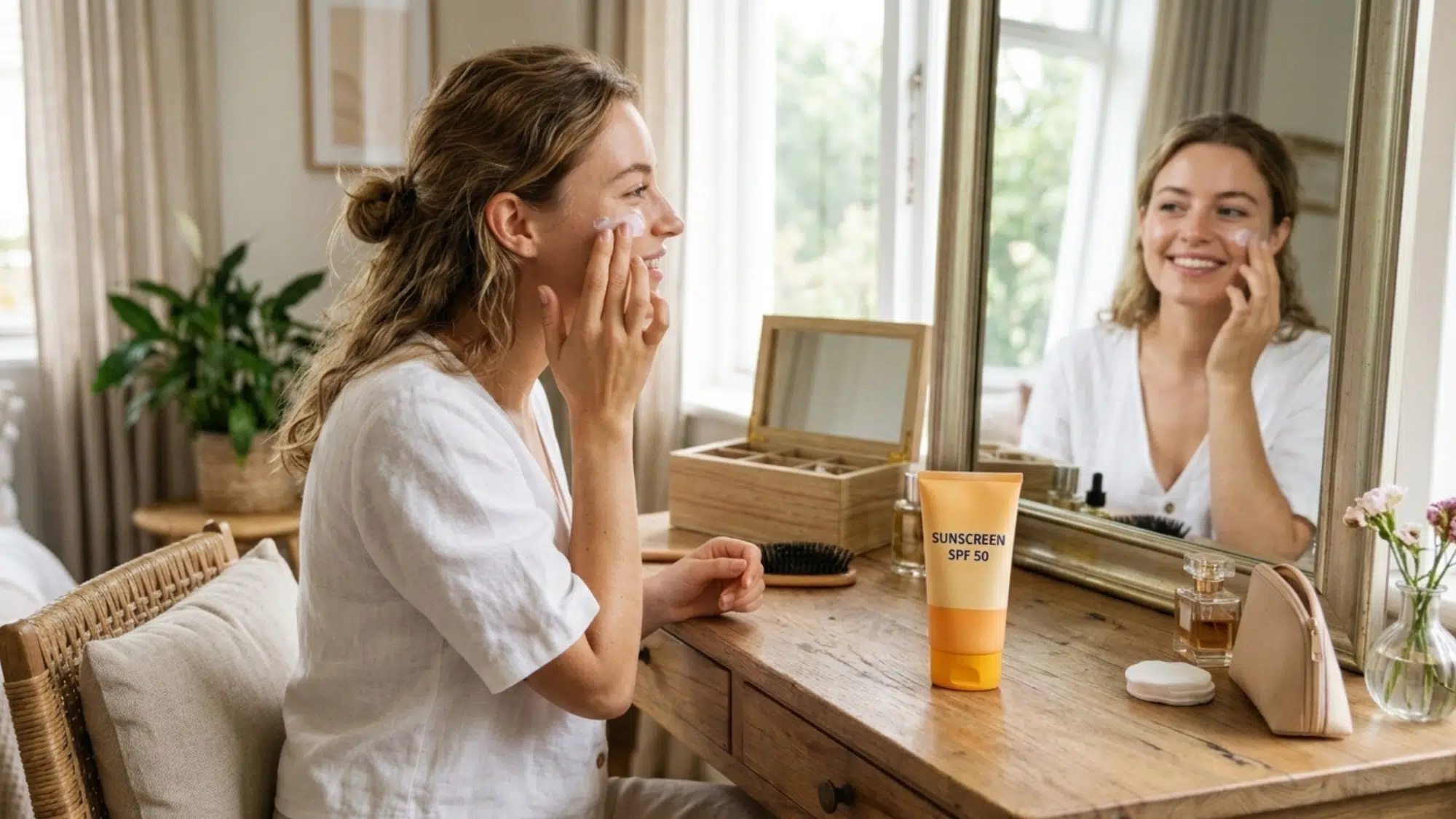
Photo via Style Weekender
If there is one habit that separates people who age slowly from everyone else, it is sunscreen — worn daily, not just on beach days. Ultraviolet light does most of the visible damage we associate with getting older: the fine lines, the dark spots, the rough texture and the gradual loss of firmness. A broad-spectrum SPF 30 or higher on the face, neck, ears and hands every morning is the single highest-return step in any anti-aging routine, and it costs less than almost any cream on the shelf.
Consistency matters more than the brand. The sunscreen that works is the one that gets applied before leaving the house, reapplied on long outdoor days, and paired with the simple stuff — a hat, sunglasses, shade at midday. Gentle cleansing and a daily moisturiser support the same goal by keeping the skin barrier intact, so the skin stays smooth instead of irritated. Think of it as maintenance, not pampering: a two-minute habit that quietly protects the next twenty years of your face.
2. A Plate That Works for Your Skin
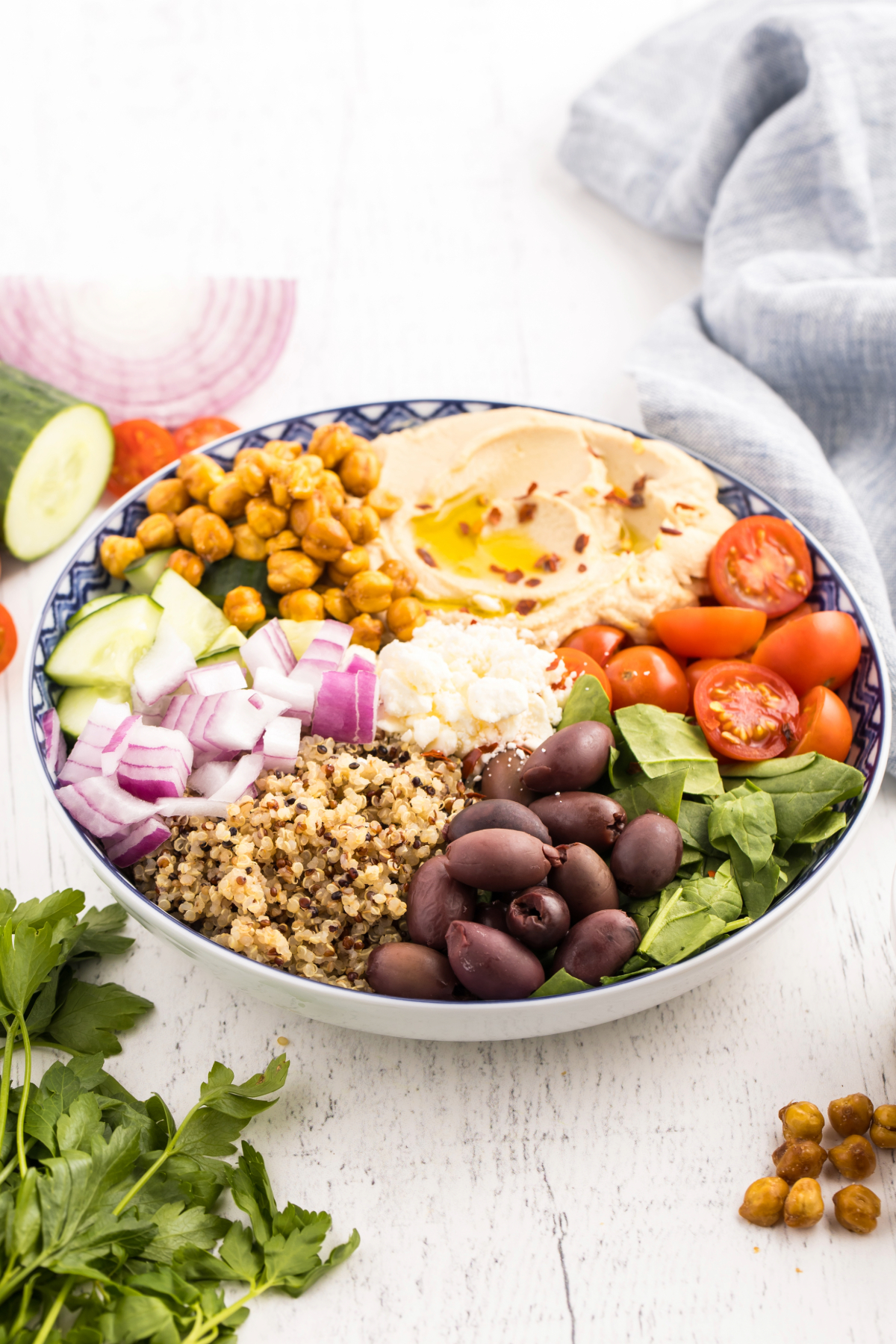
Photo via The Foodie Affair
What lands on the plate shows up on the skin eventually, just on a slower timeline than any cream promises. Diets built around vegetables, fruit, whole grains, beans, nuts and healthy fats like olive oil give the body a steady supply of antioxidants and anti-inflammatory compounds — the raw materials skin needs to repair itself. Enough protein matters too, since collagen production naturally declines with age and the body needs amino acids to keep making it. None of this requires a strict diet; it is really about making whole, colourful food the default most of the time.
The other side of the plate is what gets crowded out. Heavily processed food, refined sugar and white flour drive inflammation, and chronic inflammation is one of the quiet forces behind faster aging inside and out. People who age well rarely obsess over every meal. They simply eat in a way that leaves little room for the foods that work against them, and they do it for years. The glow people compliment is usually just a well-fed body doing its repair work properly.
3. Daily Movement Keeps the Body Young
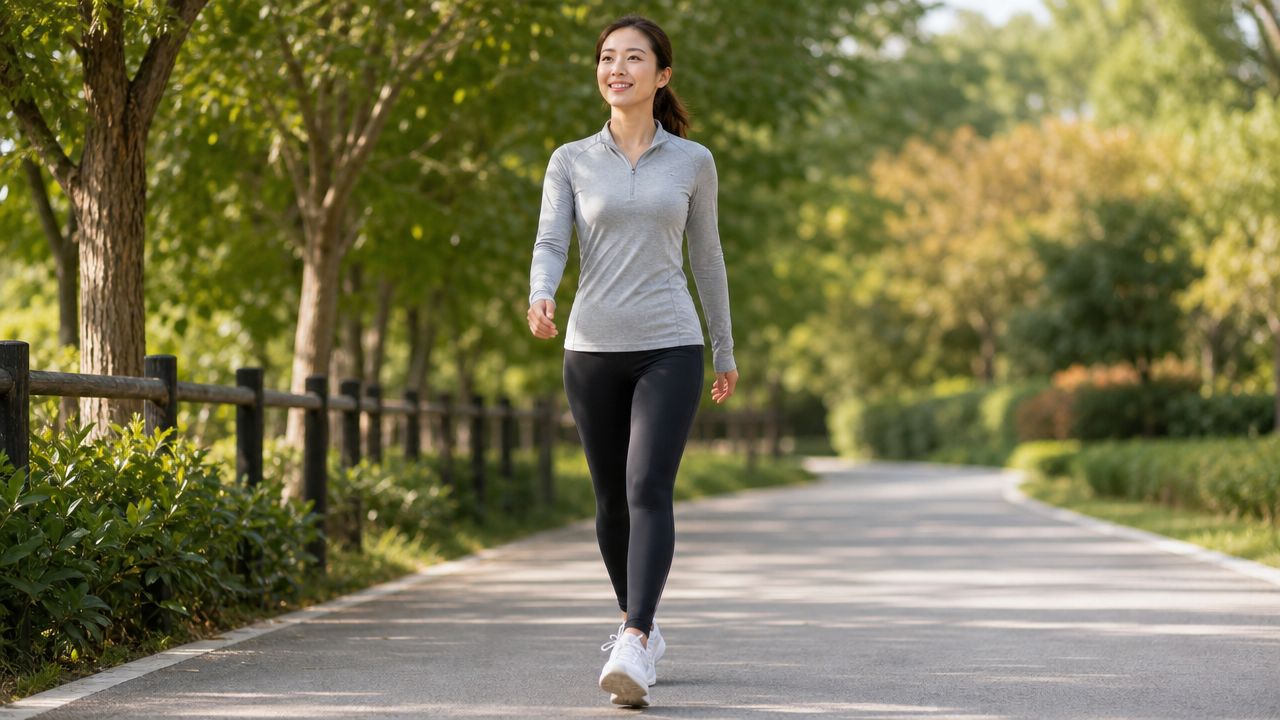
Photo via RoutePrinter
Movement is the closest thing there is to a universal anti-aging habit, because it reaches nearly every system at once — heart, brain, bones, mood and skin. Regular activity improves circulation, which means more oxygen and nutrients reaching the skin, and it supports the muscle and bone density that keep posture upright and movement easy. Posture alone changes how old someone looks: a person who stands tall and moves easily reads as younger than someone the same age who has slowly folded inward.
The good news is that the bar is lower than most people think. Around 150 minutes a week of moderate activity — brisk walking, swimming, dancing — plus a couple of days of strength work is enough to make a real difference. The people who keep it up for decades are rarely the ones grinding through workouts they hate. They walk instead of driving short distances, take the stairs, stretch while the kettle boils, and treat movement as part of the day rather than a separate chore to dread.
You may also like: 20 Playful Ombre Nails Ideas
4. Sleep Is When Repair Actually Happens

Photo via Tystar
Sleep is the most underrated beauty habit there is, partly because it feels passive. It is anything but. Overnight, the body repairs damaged cells, balances hormones and regenerates skin — the deep, slow work that no daytime product can replace. Seven to nine hours on a fairly regular schedule is the range linked with slower aging, better memory and a healthier heart, and the people who protect it tend to look it: brighter eyes, steadier energy, skin that bounces back faster.
Protecting sleep is mostly about protecting the hour before it. Dim lights, a screen put away, no heavy meal late in the evening, and a bedtime that stays roughly the same even on weekends all help the body wind down properly. Chronic poor sleep — the kind that leaves someone exhausted for months — deserves proper help rather than another pillow spray, since untreated sleep problems quietly accelerate aging. Treat bedtime like an appointment that matters, because the repair work only happens when the lights are out.
5. A Calmer Mind Shows on Your Face

Photo via Re-Store
Chronic stress ages a person in ways that are surprisingly visible. It raises cortisol and inflammation, disrupts sleep, and nudges people toward the very habits — comfort eating, smoking, skipping workouts — that speed aging further. Over years, tension also settles into the face itself: a clenched jaw, a furrowed brow, shoulders held permanently high. People who look younger than their age are not stress-free; they simply have a reliable way of letting stress out before it takes up permanent residence.
The method matters less than the regularity. Ten minutes of stretching in morning light, a walk without headphones, journaling, meditation, prayer — whatever genuinely lowers the pressure counts. Strong relationships help too: people with close friendships and a habit of laughing easily carry themselves differently, and that ease reads as youth. A calmer inner life does not erase lines, but it softens the expression around them, and that is often what people mean when they say someone “hasn’t aged a day.”
6. The Habits Worth Quitting for Good

Photo via HealthBound
Some habits age the body so reliably that avoiding them counts as a habit in itself. Smoking is the biggest one — it damages collagen, starves skin of oxygen, and etches lines around the mouth and eyes that no cream can undo. Heavy drinking runs a close second: it dehydrates the skin, fragments sleep and adds inflammation, all of which show up on the face within days and accumulate over years. And deliberate tanning, whether from the sun or a bed, is essentially paying to fast-forward the exact damage sunscreen is meant to prevent.
Quitting any of these is one of the most powerful aging interventions available, and the benefits start surprisingly fast — skin tone improves, sleep deepens, energy steadies. The people who look remarkably young at sixty almost never have a long history of heavy smoking or chronic sun damage, and that is not a coincidence. Swapping the glass of wine for water most nights, or the sunbed for a walk in the shade, is not about deprivation. It is about removing the one thing that was quietly undoing all the other good habits.
7. Curiosity and Connection Keep You Young
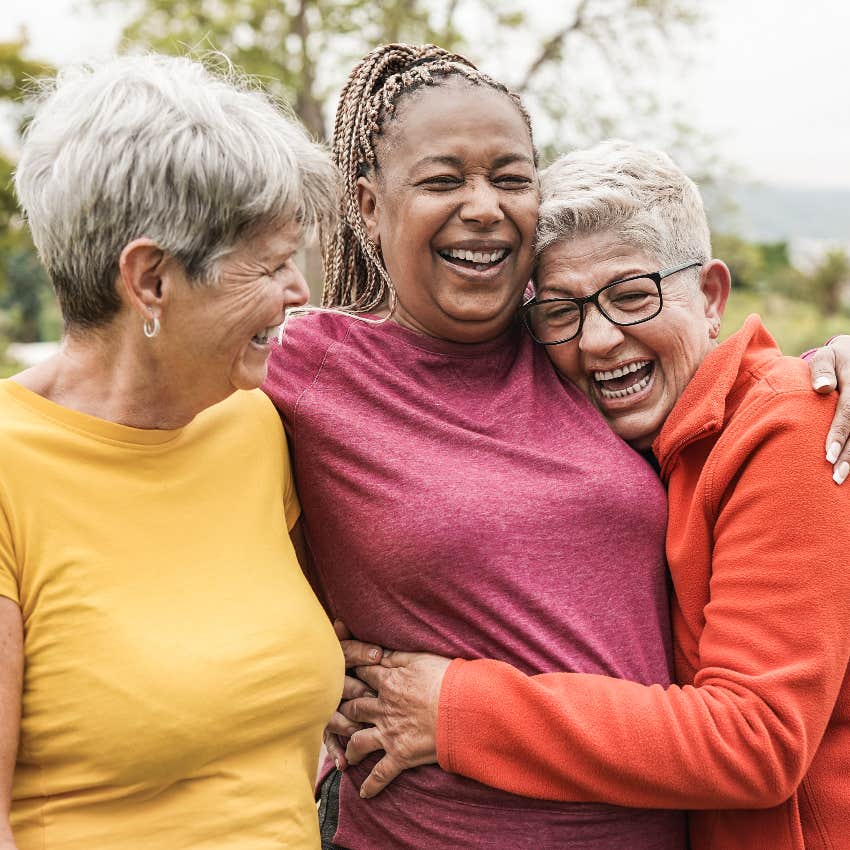
Photo via YourTango
The last habit has nothing to do with skincare, and it may be the most important of all. People who stay youthful in spirit keep learning — a new hobby, a language, a skill they have never tried — and they keep their friendships alive. Research consistently links curiosity, purpose and strong social ties with better health, sharper thinking and even longer life. A person who is genuinely interested in the world carries a kind of energy that no cosmetic can fake, and it shows in the eyes, the posture and the way they move through a room.
Just as important is the attitude toward aging itself. The people who age best are not pretending to be twenty-five. They take care of themselves seriously while accepting change gracefully, treating each decade as an evolution rather than a loss. That balance — caring deeply about health without fighting the mirror — is what makes someone look at ease in their own skin. And ease, more than any single product or routine, is what reads as ageless.
Final Thoughts
None of these habits is complicated, and none of them works overnight. That is exactly the point. The people who seem not to age are not following a secret protocol — they are doing ordinary things, consistently, for a very long time: protecting their skin from the sun, eating real food, moving daily, sleeping well, managing stress, avoiding the habits that undo the rest, and staying curious and connected. Each one is small. Together, they are the difference between aging quickly and aging well.
The best time to start was twenty years ago; the second-best time is today. Pick the habit that feels easiest — for most people, that is sunscreen in the morning or a walk after dinner — and let it become automatic before adding the next. A year from now, the changes will be subtle. Ten years from now, they will be the reason someone says you haven’t aged a day.