
How to Get Rid of Dark Underarms: A Gentle Guide to Brighter, Smoother Skin

Dark underarms are one of those small things that quietly change what a person reaches for in the wardrobe. Sleeveless tops stay on the hanger, arms stay close to the body at the gym, and the whole problem starts to feel bigger than it is. In most cases, though, the darkening is not a hygiene failure and not something to scrub away — it is the skin reacting to years of friction, shaving, strong deodorants and irritation, and it responds best to a calm, steady routine rather than a harsh one.
The honest truth is that there is no overnight fix, and anyone promising one is selling something. What does work is a five-part approach: understanding what is causing the darkness, building a gentle daily routine, changing the habits that keep irritating the skin, being careful with home remedies, and knowing when the problem deserves a dermatologist rather than another product. Give it eight to twelve weeks of consistency and most people see real change.
1. Find Out What’s Actually Causing the Darkness
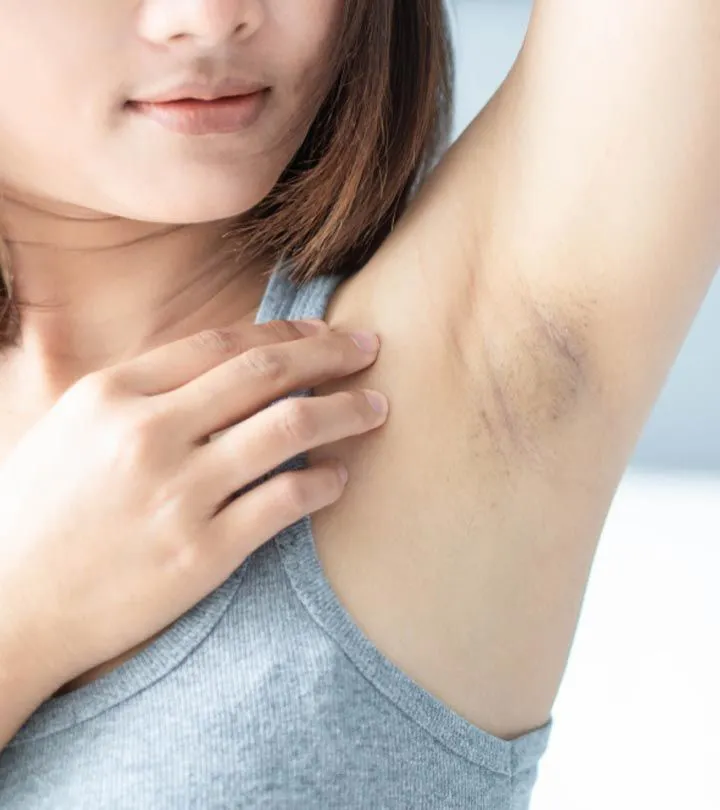
Photo via Punjab Kesari
Underarm skin is thin, warm and constantly moving, which makes it unusually easy to irritate. Every time it gets inflamed — from a razor, a hot wax strip, a fragranced deodorant or a tight sleeve rubbing all day — it can respond by producing extra melanin, the pigment that darkens skin. Dermatologists call this post-inflammatory hyperpigmentation, and it is the most common reason underarms darken: the colour is essentially a record of past irritation, not dirt, which is why scrubbing harder only makes it worse.
There is one other cause worth knowing about. If the skin is not just dark but also thicker and velvety to the touch, and the same darkening appears on the neck or in the groin, it may be a condition called acanthosis nigricans, which is often linked to insulin resistance or hormonal changes. Sudden darkening, especially alongside weight changes or a family history of diabetes, is a reason to book a doctor’s appointment before buying any brightening product — treating the underlying cause matters far more than any cream, and a dermatologist can check it quickly.
2. Build a Gentle Daily Routine That Fades Pigment
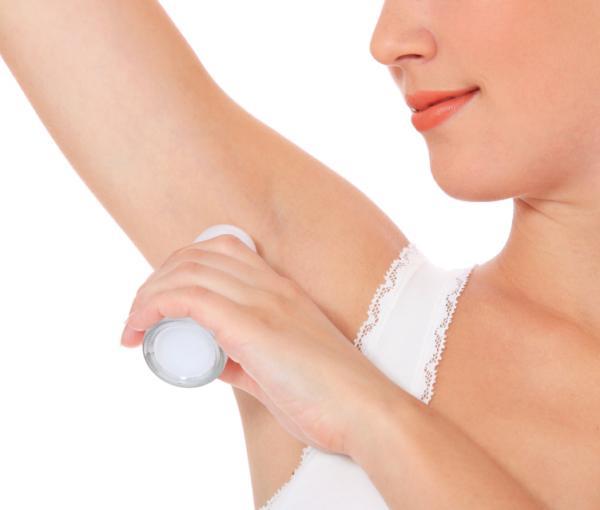
Photo via unCOMO
The foundation is simple: wash the underarms daily with a mild, fragrance-free cleanser, rinse well, and pat dry with a soft towel instead of rubbing. Rough loofahs and grainy scrubs have no place here — they create the same micro-damage that caused the pigmentation in the first place. The exfoliation that actually helps is chemical, not physical: a low-strength glycolic or lactic acid toner, or a salicylic acid product, used two to four nights a week on completely dry skin, dissolves the dull surface cells and smooths bumpy texture without any friction at all. Start once or twice a week, never apply it on the same day as shaving or waxing, and give the skin at least twenty-four hours after hair removal.
On top of that, the ingredients with the best track record for fading pigment are niacinamide, which evens tone and strengthens the skin barrier with very little irritation, and azelaic acid, which targets pigmentation and calms inflammation at the same time. A practical rhythm is to alternate them on different nights, with rest days in between, and to finish with a light fragrance-free moisturiser containing glycerin, ceramides or aloe. If the skin stings, itches or feels tight, that is a signal to scale back, not push through — a damaged barrier holds onto pigment longer, so protecting it is part of the brightening plan, not a distraction from it.
3. Rethink Hair Removal, Clothes and Deodorant
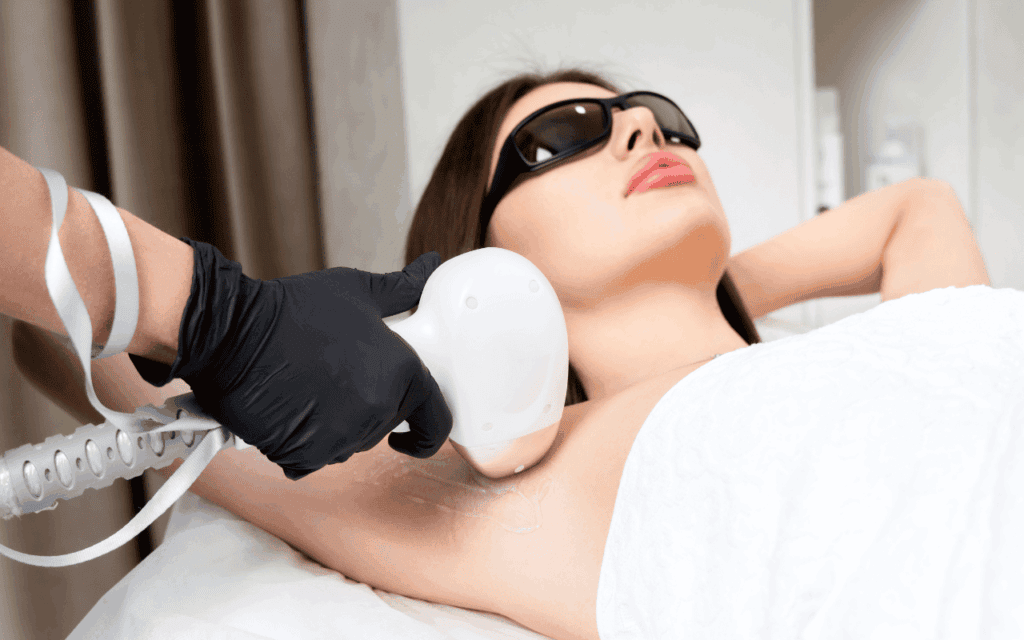
Photo via Laser Club
Hair removal is often the biggest single source of underarm irritation, because it repeats every few days. Shaving drags a blade across thin skin and leaves tiny nicks; hot waxing pulls and heats the same area. Neither has to be abandoned entirely, but spacing sessions out, trimming instead of shaving close, and always following hair removal with something soothing rather than a fragranced deodorant all reduce the cycle of injury and healing that drives pigmentation. For anyone who can afford it, laser hair removal is worth considering — it thins regrowth over time, which means less shaving, and some laser treatments also target excess melanin directly, though they should always be done by a qualified professional.
The rest is about friction and product choice. Tight sleeves and synthetic fabrics keep the skin warm, damp and rubbed raw, so looser cotton, linen or bamboo tops give the area room to breathe, and changing out of sweaty gym clothes promptly helps more than most people expect. Deodorant deserves a second look too: if a product stings on application, its fragrance or alcohol is irritating the skin and quietly working against the brightening routine. Fragrance-free formulas, or the newer treatment roll-ons that combine gentle acids with niacinamide, cover odour and pigmentation in one step — and whenever a new product is introduced, patch test it first and add only one active at a time, so any reaction has an obvious culprit.
You may also like: 20 Light Wash Jeans Outfits for Cooler Months
4. Use Home Remedies Carefully — or Skip Them
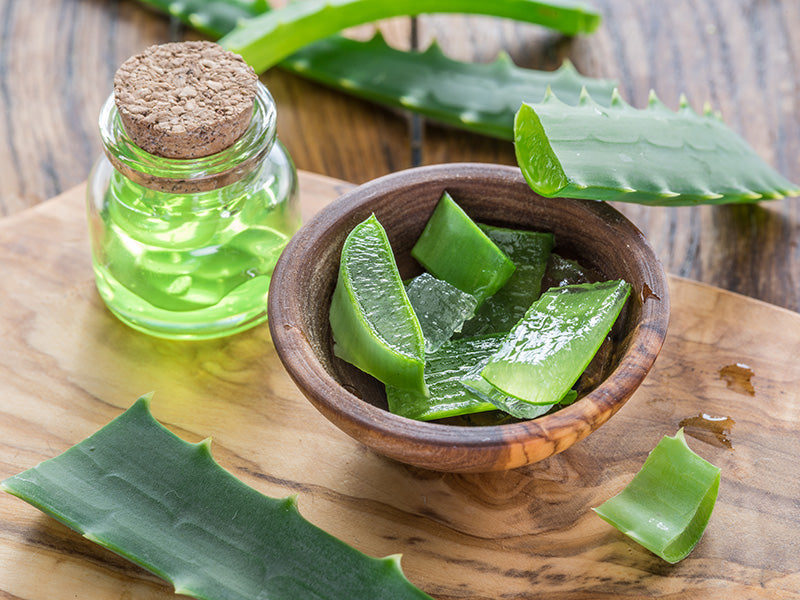
Photo via Pharmagel
The internet is full of DIY fixes for dark underarms, and the most popular ones are also the riskiest. Lemon juice is highly acidic and can cause chemical burns, especially if the skin is then exposed to sunlight; baking soda is strongly alkaline and strips the skin’s protective barrier; undiluted essential oils are common irritants. All three can leave the underarms more inflamed than before, which — given how pigmentation works — means darker, not lighter. Anything that stings, burns or leaves the skin red is doing damage, however natural it sounds.
That does not mean everything homemade is off the table. Plain aloe vera gel is genuinely soothing after hair removal, a cool compress calms fresh irritation, and a short mask of plain yogurt with a little honey offers mild, gentle exfoliation and hydration. Potato juice and cucumber get mentioned often, but the evidence for them is thin, so they are best treated as harmless extras rather than the main event. The safest way to think about home remedies is as support for the real routine — gentle cleansing, chemical exfoliation and proven brightening ingredients — not as a replacement for it.
5. Tackle Odour Too, and Know When to See a Dermatologist

Photo via ARV Aesthetics
Dark underarms and smelly underarms often arrive together, and the good news is that the same routine helps both. Sweat itself is almost odourless — the smell comes from bacteria breaking it down on warm, damp skin. Daily washing with an antibacterial body wash, drying the area completely after showering, trimming hair so sweat evaporates more easily, and wearing clean breathable fabrics all cut down the bacteria’s favourite conditions. The acid-based roll-ons that fade pigment also lower the skin’s pH, which makes it harder for odour-causing bacteria to thrive, so one product can quietly solve two problems at once.
Still, there are moments when a dermatologist is the right next step rather than another month of home care. Sudden darkening with no change in products or shaving habits, thick or velvety skin, severe itching, pain or cracking, or pigmentation that has not shifted at all after several months of careful routine are all worth a professional opinion. A dermatologist can prescribe stronger retinoids, offer chemical peels or laser therapy for stubborn patches, and rule out anything medical. Even in the best case, patience is part of the process: texture and odour often improve within a few weeks, but deeper pigment takes months to fade, and the results belong to the people who keep the routine going long after the novelty wears off.
Final Thoughts
Getting rid of dark underarms is less about finding one miracle product and more about stopping the irritation that caused the darkness, then giving the skin steady, gentle help to recover. A mild wash, a low-strength acid a few nights a week, a brightening ingredient like niacinamide, looser clothes and a kinder deodorant — none of it is dramatic, and that is exactly why it works. The skin in this area is thin and reactive, and it rewards patience far more than aggression.
The most useful mindset is the same one that works for facial skincare: small steps, done every day, judged over months rather than days. Start tonight with the simplest version — a gentle wash, a proper dry, and one well-chosen product — and let the routine grow from there. The sleeveless tops will still be in the wardrobe when the skin is ready for them.