
How to Get Rid of Dark Spots: A Complete Guide to Clearer, Even-Toned Skin

Dark spots have a way of outstaying their welcome. A breakout clears up, a summer ends, a patch of irritation calms down — and the mark it left behind is still there months later, quietly refusing to fade. The frustration is real, and so is the confusion: shelves full of brightening serums, acids and creams all promise the same even tone, with very little guidance on which ones actually do the work and in what order they belong.
The good news is that fading dark spots is less about finding one miracle product and more about building a small, consistent routine around a few ingredients that are genuinely proven to work. This guide covers the five pieces that matter: understanding why the spots appeared, a brightening morning step, a renewing night step, gentle ingredients that support everything else, and the daily habit that protects all of it.
1. Start by Finding Out Why the Spots Appeared
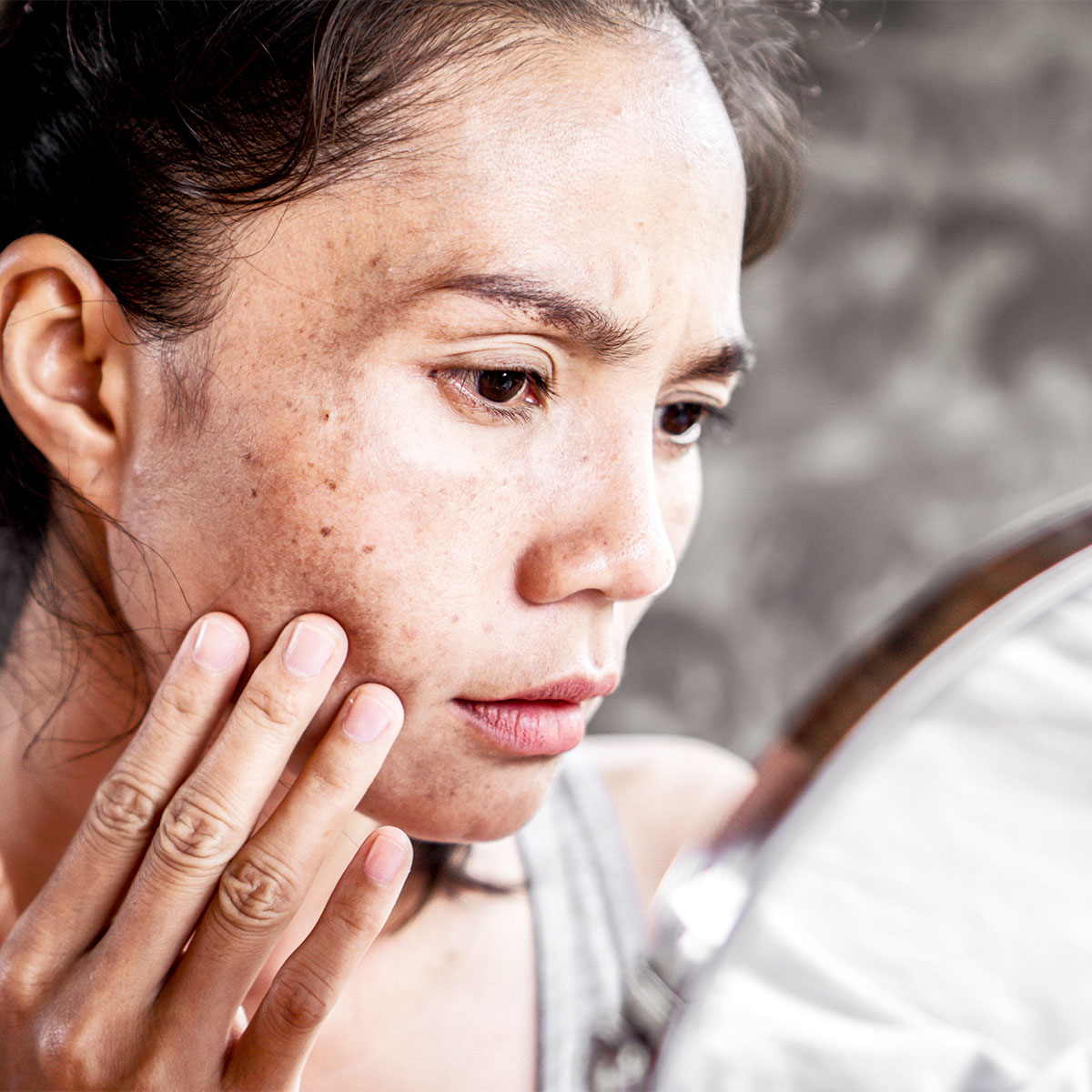
Photo via SheFinds
Every dark spot is the same thing at its core: an area where the skin has produced extra melanin, the pigment that gives skin its colour. But the trigger behind that extra pigment changes how the spot behaves and how stubborn it will be. The most common cause is post-inflammatory hyperpigmentation, the flat brown mark left after acne, a scratch or an eczema flare has healed. Sun exposure is the other big one — UV light pushes melanin production into overdrive, which is how freckles and sunspots build up over years of unprotected days outdoors.
Hormones play a role too. Shifts during pregnancy or from birth control can trigger melasma, which shows up as larger, blotchy patches rather than neat little spots, usually across the cheeks, forehead and upper lip. And as skin ages, cell turnover slows, so pigment that once would have shed away in a few weeks lingers far longer. Knowing which of these is behind a spot matters, because a sunspot responds well to brightening actives while melasma is famously persistent and often needs a dermatologist’s help alongside any at-home routine.
2. Make Vitamin C Your Morning Brightener

Photo via The Well Dressed Life
Vitamin C is the ingredient most dermatologists reach for first when the goal is a brighter, more even complexion, and it earns that spot honestly. As an antioxidant, it interrupts the enzyme pathway that produces melanin, which means it fades existing dark spots while also guarding against new ones forming from the day’s sun and pollution exposure. Applied in the morning, it works as a second layer of defence underneath sunscreen rather than a replacement for it.
The form matters more than the brand. L-ascorbic acid at a concentration of roughly 10 to 20 percent is the best-studied version, and it belongs on clean skin after cleansing and before moisturiser. A few drops pressed over the face is enough; more product does not mean faster results, and the tingling some people feel at first usually settles as the skin adjusts. One practical note: vitamin C serums oxidise when exposed to air and light, so a bottle that has turned dark amber has lost much of its strength and is due for replacement.
3. Let Retinoids and Gentle Exfoliation Do the Night Work
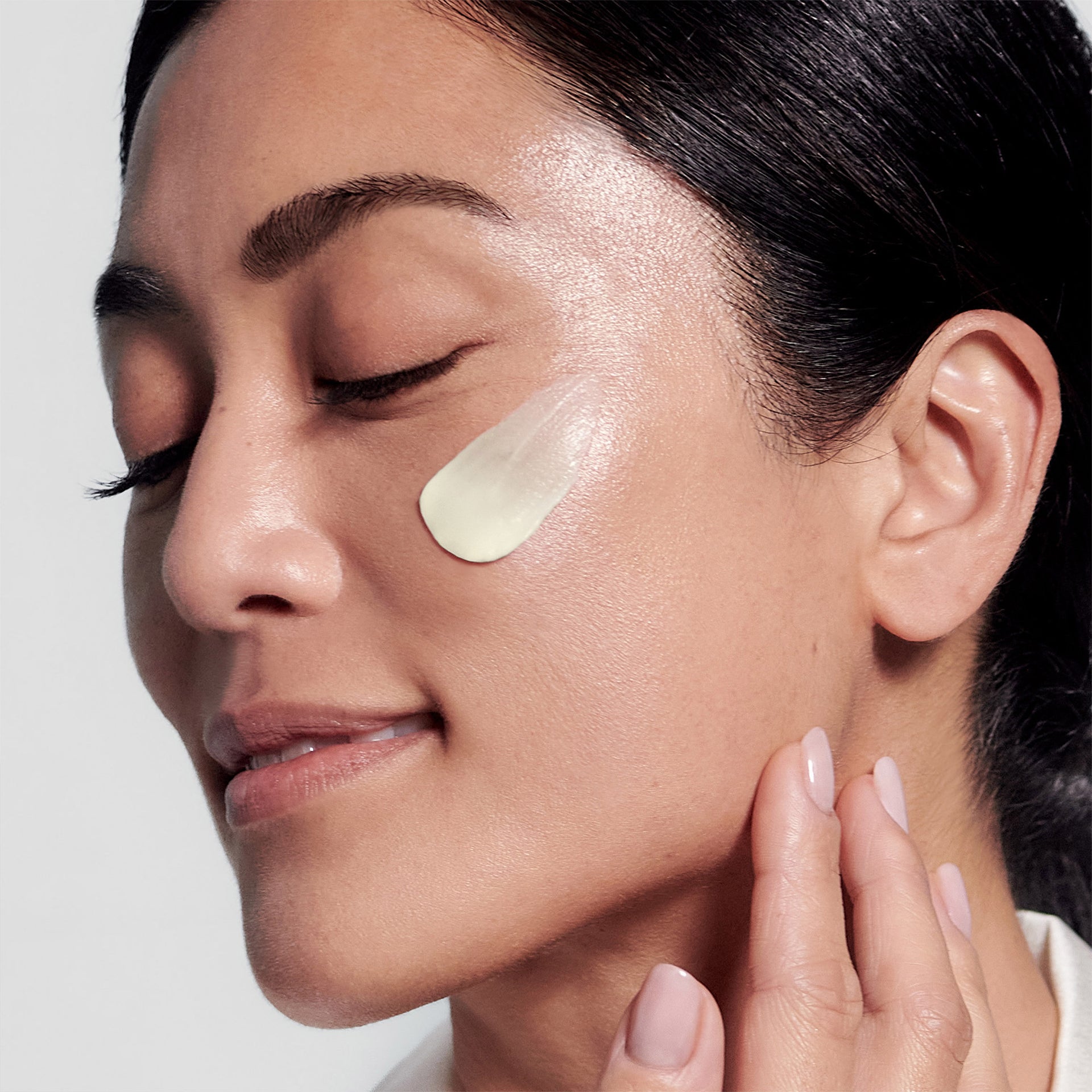
Photo via Medik8
While vitamin C works on pigment production, retinoids work on pigment removal. These vitamin A derivatives speed up cell turnover, pushing older, pigmented cells to the surface faster so fresher skin takes their place. Over-the-counter retinol does this gradually; prescription tretinoin does it faster and stronger, which is why it is worth a dermatologist visit for spots that have resisted everything else. Either way, the results build over weeks, not days, and patience is part of the treatment.
Retinoids ask for respect in return. A pea-sized amount on clean, dry skin at night, two or three times a week to start, with moisturiser layered over the top, is the pace that avoids the redness and peeling that makes so many people give up in week two. Alpha hydroxy acids such as glycolic and lactic acid play a supporting role here, dissolving the bonds that hold dull, pigmented dead cells to the surface — lactic acid being the gentler pick for dry or sensitive skin. The one rule worth keeping is not to use AHAs on the same nights as a retinoid, since stacking two exfoliating steps is how irritation starts. And because both ingredients make skin more sun-sensitive, the morning sunscreen step becomes non-negotiable.
You may also like: 20 Women Nightwear Outfits That Are Cute and Comfy
4. Add Gentle Brighteners That Work With Everything

Photo via Nasola
Not every brightening ingredient needs to be a heavyweight. Niacinamide, a form of vitamin B3, fades dark spots by slowing the transfer of pigment into the skin’s surface cells, and it does so while strengthening the skin barrier, calming redness and keeping oil in check. It is one of the few actives that genuinely suits almost everyone, morning and night, and it layers happily alongside vitamin C and retinoids without drama.
Two more quiet performers deserve a place in the routine. Alpha arbutin targets the same melanin-producing enzyme as vitamin C but with almost no irritation, making it a good option for skin that finds stronger actives too much, and it can be used twice a day. Azelaic acid, available over the counter at around 10 percent, is the standout for sensitive or acne-prone skin: it fades spots, calms inflammation and redness at the same time, and pairs particularly well with niacinamide. None of these three will transform skin overnight, but together they make the whole routine more effective and far easier to stick with.
5. Try Natural Remedies — and Never Skip Sunscreen
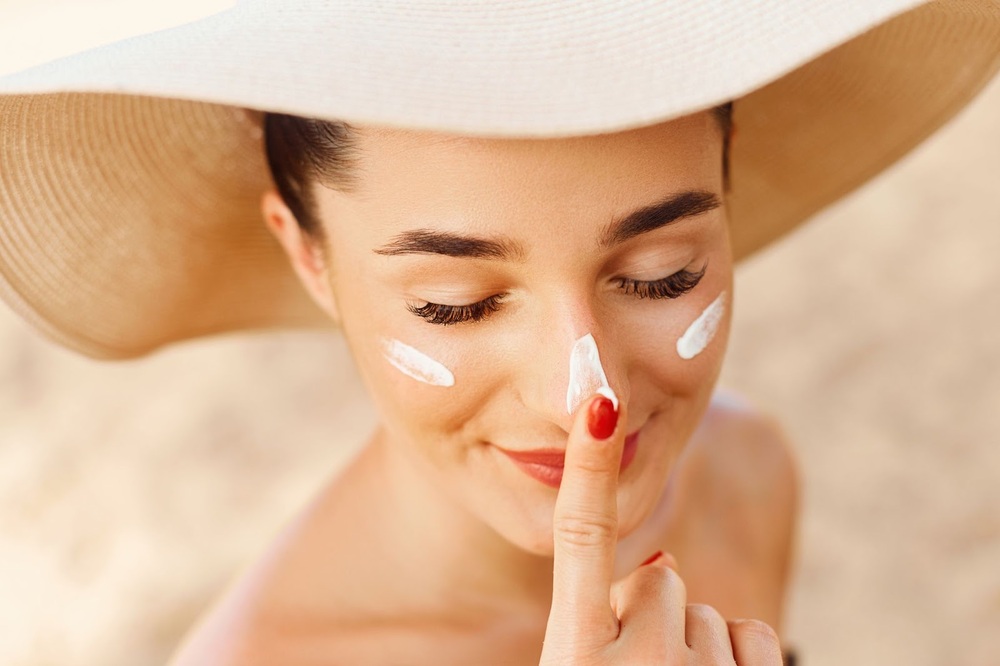
Photo via Dr. Ariel Ostad
For anyone who prefers a gentler, more natural approach — or simply wants to support the actives above — a few plant-based ingredients have real brightening credentials. Licorice root extract contains compounds that inhibit melanin production while calming inflammation, and it shows up in serums as well as in simple spot treatments mixed into aloe vera gel. Green tea extract, rich in the antioxidant EGCG, soothes irritated skin and helps protect it from the environmental stress that deepens pigmentation over time.
The classic honey and turmeric mask earns its reputation too: honey moisturises and calms, while turmeric’s curcumin brings anti-inflammatory and brightening properties to the mix. A thin layer on the affected areas for ten to fifteen minutes, once or twice a week, is the usual approach — with a rinse thorough enough to avoid a yellow tint on lighter skin. But no remedy, natural or otherwise, holds its results without sunscreen. Broad-spectrum SPF 30 or higher, applied every single morning and reapplied on long days outdoors, is what stops UV light from undoing weeks of fading in a single afternoon. It is the least glamorous step in this whole guide and the one that matters most.
Final Thoughts
Dark spots fade on a timeline measured in weeks and months, not days, and that is the hardest part of the whole process to accept. The routine itself is simple: understand what caused the spots, brighten in the morning with vitamin C, renew at night with a retinoid or a gentle acid, support it all with niacinamide, arbutin or azelaic acid, and protect the progress with sunscreen every day. Consistency beats intensity every time — a gentle routine followed daily will outperform an aggressive one abandoned after a week of irritation.
It is also worth knowing when to get help. Spots that change shape, colour or size, or melasma that will not budge after months of steady care, are reasons to see a dermatologist rather than to keep adding products. For everything else, the formula above is the honest one: a few proven ingredients, used patiently, with sun protection holding the whole thing together. The mirror will catch up eventually.