
How to Get Rid of Ingrown Hairs Without Making Them Worse

An ingrown hair starts small — a tender red bump that looks like a spot but does not behave like one. It appears when a hair curls back or grows sideways under the skin instead of pushing straight out of the follicle, and the body treats the trapped hair as an intruder, surrounding it with inflammation. Shaving, waxing, sugaring and plucking can all trigger it, and curly or coarse hair is more prone than fine, straight hair, which is why the bikini line, underarms, jawline and knees see the worst of it.
The instinct is to squeeze it out, but that is the one move that reliably makes things worse — digging at the bump can push the hair deeper, invite infection and leave a dark mark that outlasts the bump itself. Getting rid of an ingrown hair quickly is possible, but it works through patience rather than force: five gentle steps that soften the skin, free the hair and calm the area, followed by habits that stop the next one from forming.
1. Stop Removing Hair on the Spot
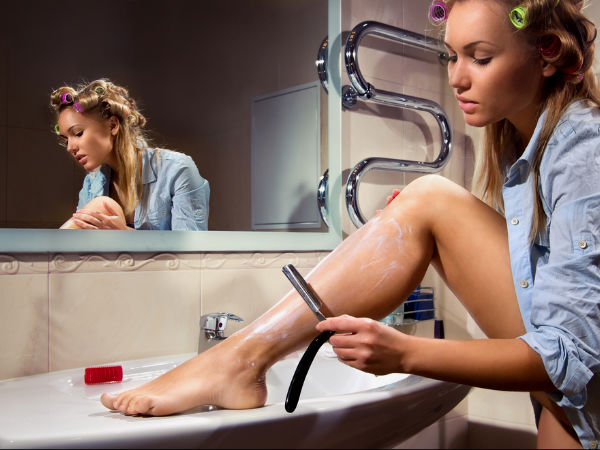
Photo via Boldsky
The first step costs nothing and is the one most people skip: leave the area alone. Every pass of a razor or strip of wax over an irritated follicle adds fresh trauma to skin that is already inflamed, and it can drive the trapped hair further under the surface. Until the bump has settled, shaving, waxing, sugaring and plucking on that patch should all pause — the hair needs time and a calm environment to work its way out on its own.
That does not mean the area has to look untidy in the meantime. Trimming the surrounding hair with small scissors or an electric trimmer keeps things neat without dragging a blade across the bump or pulling at the follicle. This is especially useful on the chin and jawline, where an ingrown sits in plain view and the temptation to keep shaving over it is strongest. A few days of trimming instead of close removal is a small trade for a bump that heals cleanly instead of turning into a scar.
2. Soften the Skin With a Warm Compress
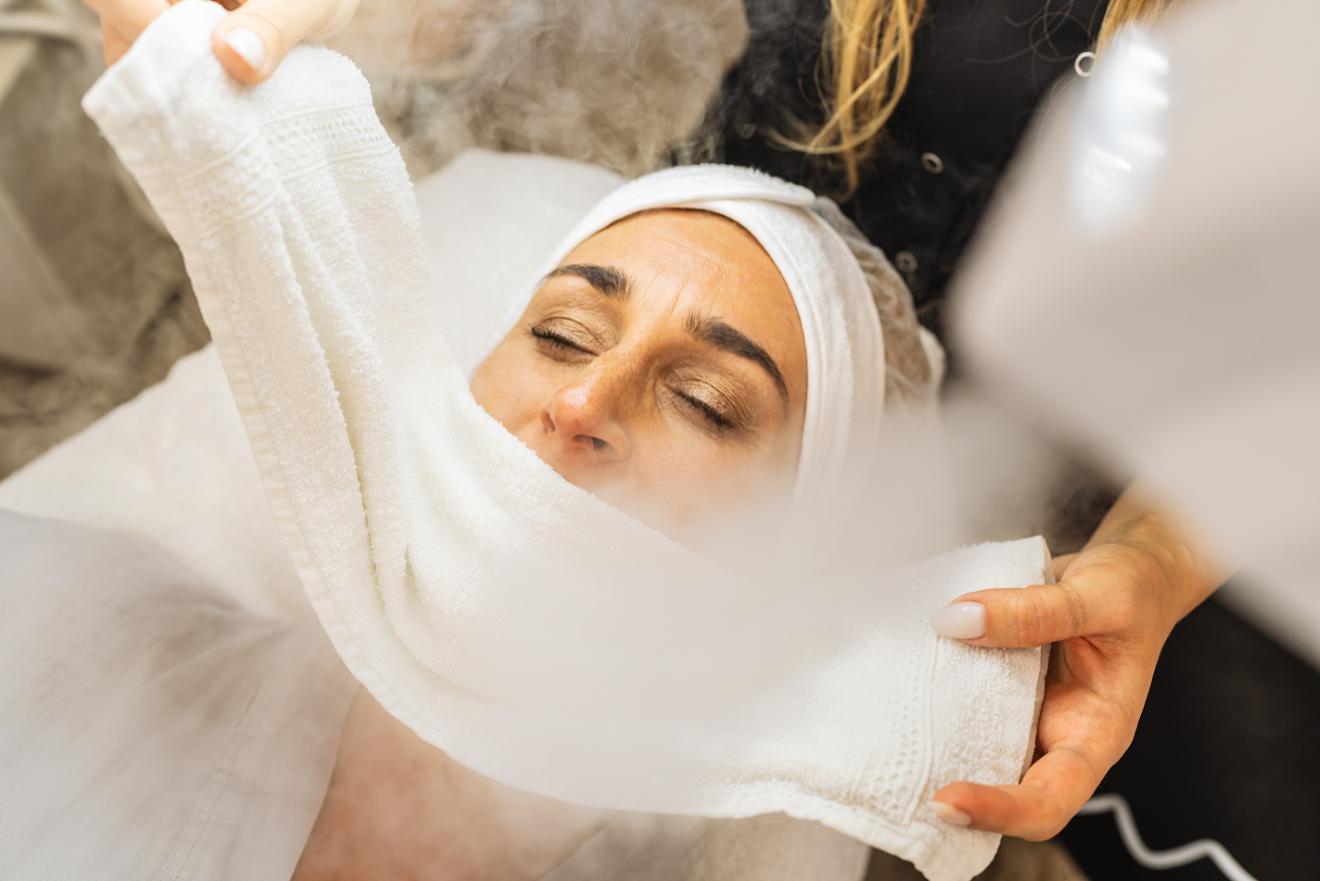
Photo via The Skincare Whisperer
Warm, moist heat is the gentlest way to move an ingrown hair toward the surface. Soak a clean washcloth in warm — not hot — water, wring it out and press it over the bump for five to ten minutes, repeating a few times a day. A warm shower or bath does the same job if the ingrown is somewhere a compress will not sit easily, like the knee or the back of the thigh. The warmth softens the top layer of skin and opens the pore, which often lets the trapped hair edge closer to the surface on its own.
Consistency matters more than intensity here. One long session of very hot water will irritate the skin and make the redness worse, while several short, comfortably warm sessions across the day steadily loosen things up. It also helps to keep the washcloth clean — pressing a used cloth against broken or irritated skin is an easy way to introduce bacteria. After a day or two of compresses, the tip of the hair sometimes becomes visible, which is the signal that the next steps can do their work.
3. Exfoliate Gently to Free the Trapped Hair
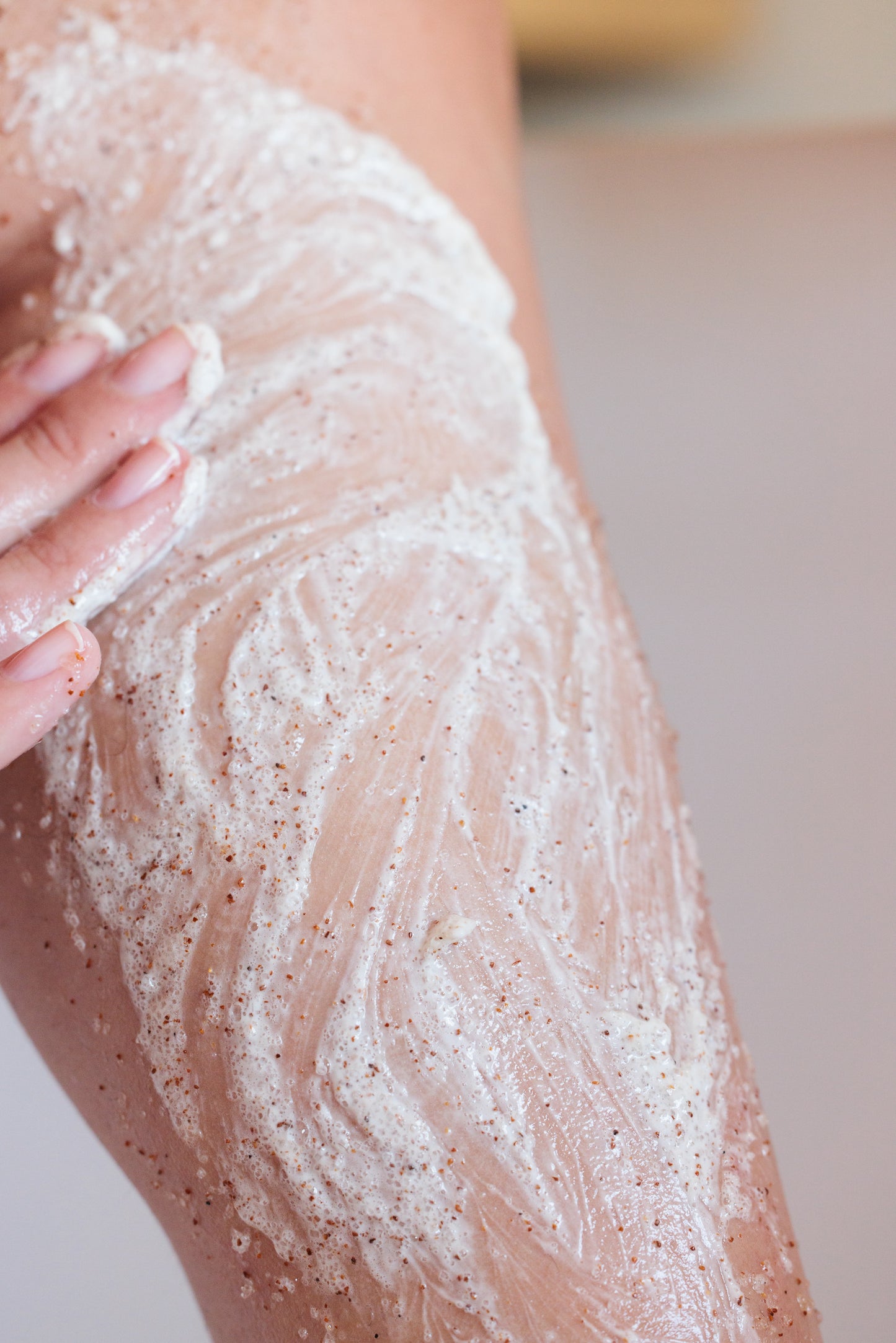
Photo via Ealu Moments
Dead skin cells, oil and product buildup act like a lid over the follicle, sealing the hair underneath. Gentle exfoliation removes that lid. A soft washcloth, an exfoliating glove or a fine sugar scrub worked in small circles around the bump — not scrubbed hard directly over it — clears the surface so the hair has a clear path out. On tougher skin like the legs, a grain scrub works well; on the face or bikini line, a lighter touch is essential, since inflamed skin tears easily.
Chemical exfoliants do the same job without any friction at all. Products with salicylic, glycolic or lactic acid dissolve the bonds between dead cells and keep the follicle opening clear, which makes them a good choice for areas that are already sore or for skin that reacts badly to scrubs. Exfoliating once or twice a day until the hair is free, then dropping back to two or three times a week, clears the current bump and makes the next one less likely — the same routine that treats an ingrown is the routine that prevents them.
You may also like: 20 Fabulous Ways to Rock Your White Poplin Skirt This Summer
4. Lift a Visible Hair Out — Never Dig
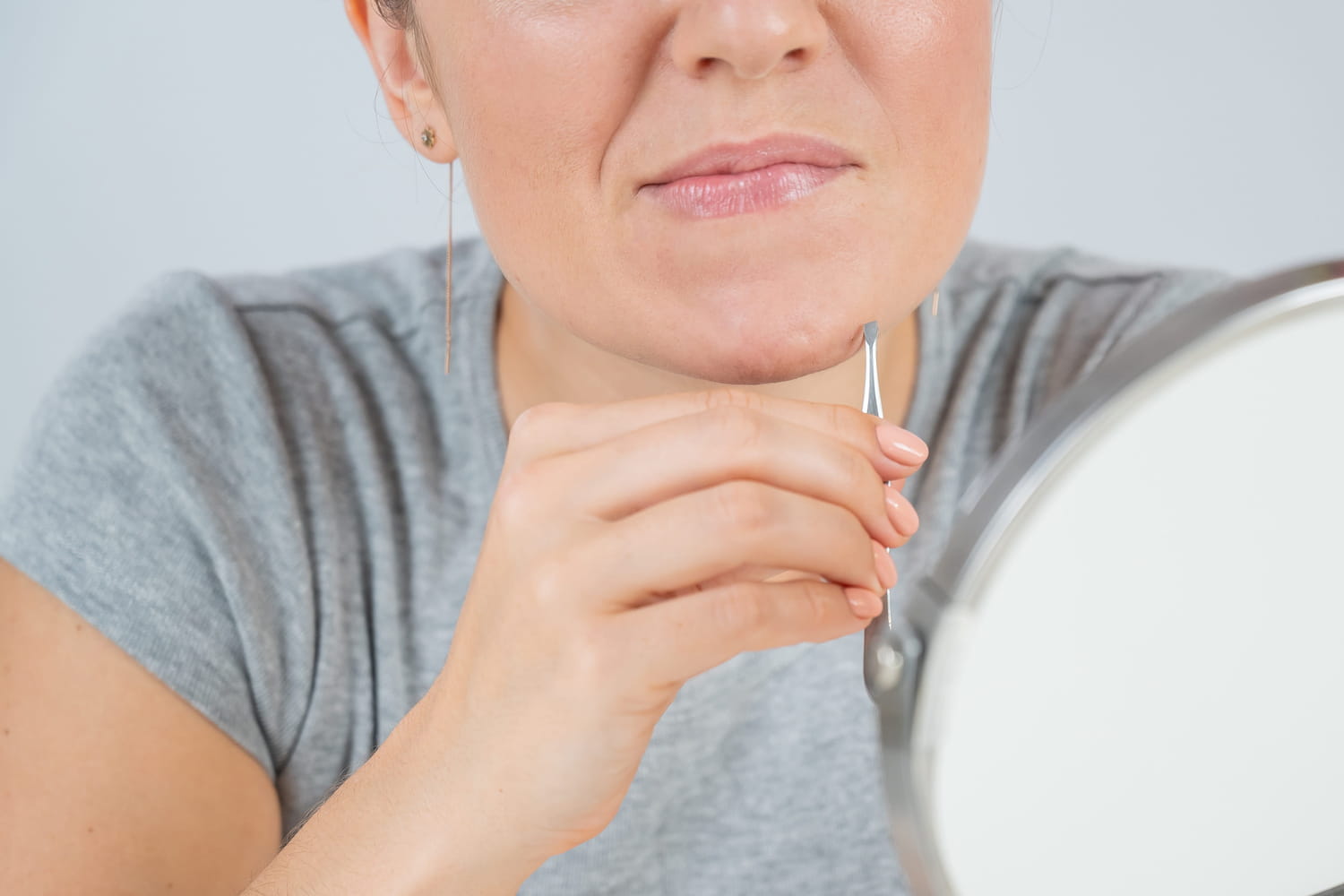
Photo via Astuces Santé Mag
Only one situation justifies touching an ingrown hair with tools: when the tip is clearly visible and sitting close to the surface after warm compresses and exfoliation. Even then, the goal is to free the hair, not to extract it by force. Wash the area with mild soap and warm water, sterilise a fine needle and a pair of tweezers with rubbing alcohol, then use the needle to gently tease the skin over the tip so the hair pops through — without puncturing or cutting the skin. Once the hair is fully above the surface, grip it with the tweezers and pull in the direction of its growth, not straight up.
Anything short of a visible tip means hands off. Digging for a hair that is still buried under the skin pushes it deeper, breaks the skin barrier and opens the door to infection, scarring and the dark spots that linger for months after the bump is gone. If the hair will not come free after a few days of compresses and exfoliation, the honest answer is to keep waiting or to see a doctor, who can remove it with sterile instruments in seconds. A stubborn ingrown is a minor medical visit, not a DIY project.
5. Soothe the Skin and Stop the Next One Forming
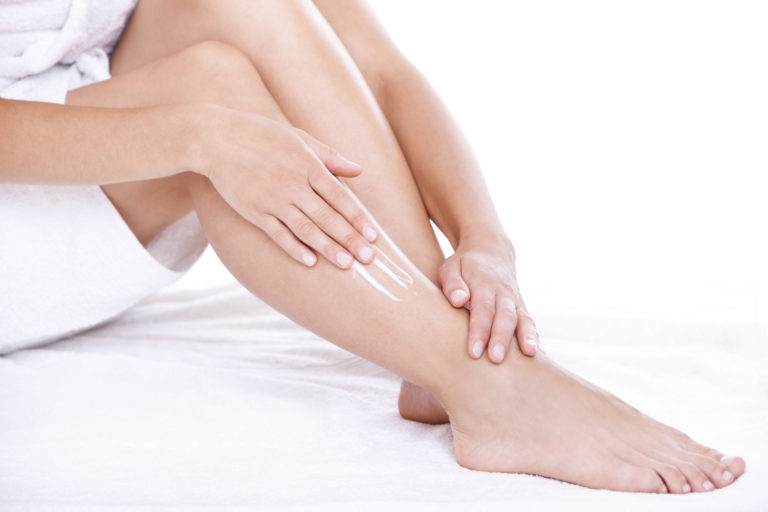
Photo via Espaço Joice Bronze
Once the hair is free, the skin underneath is raw and needs calming care. Rinse with warm water and a gentle cleanser, pat dry without rubbing, and apply something soothing and non-comedogenic — aloe vera gel, a fragrance-free moisturiser or a toner with anti-inflammatory ingredients. Heavy oils, strong fragrances and thick occlusive balms belong nowhere near the fresh site, since they can clog the pore again and undo the work. Daily moisturising matters beyond the healing stage too: hydrated skin is more flexible, so new hairs push through cleanly instead of curling back under a dry, tight surface.
Prevention is where the long-term difference is made. Shave on softened skin after a warm shower, always with a shave gel and in the direction of hair growth, and change blades often — a dull razor tugs and snaps hairs into sharp points that pierce back into the skin. Loose, breathable clothing after hair removal reduces the friction that irritates fresh follicles, especially on the bikini line. And some bumps deserve professional help rather than persistence: large, painful or repeatedly infected ingrowns, skin that turns very red and warm or oozes pus, or bumps that keep scarring should be seen by a doctor, who can prescribe topical antibiotics, steroid creams or retinoids — or, for truly recurrent cases, laser hair removal to stop the cycle altogether.
Final Thoughts
Getting rid of an ingrown hair fast is less about speed and more about sequence: stop irritating the spot, soften it with warmth, clear the surface with gentle exfoliation, lift the hair only when it is ready to be lifted, and then soothe the skin and change the habits that caused it. Each step is small on its own, but together they clear a bump without the scars and dark marks that squeezing leaves behind. The same routine, kept up a few times a week, is what turns a recurring problem into an occasional one.
The bumps that do not respond — the ones that grow painful, fill with pus or keep coming back in the same spot — are not a failure of home care. They are the point where a dermatologist earns their fee, with sterile tools and treatments no bathroom cabinet can match. Knowing when to hand it over is part of looking after the skin, not giving up on it.