Do Your Nails Need to Breathe? 2027 Facts to Try

Do your nails need to breathe? It is one of the most-searched nail questions on the internet, and the short answer is no — nails are made of keratin, the same protein as hair, and they do not breathe. They get all their oxygen and nutrients from the blood supply under the nail bed, not from the air.
But the question survives because it points to something real. Nails do get dry, weak and damaged from constant polish, gel and acrylic — and a break can help. Here are ten facts about nail health, what actually damages your nails, and how to keep them strong between manicures, without any myths.
Nails Do Not Breathe

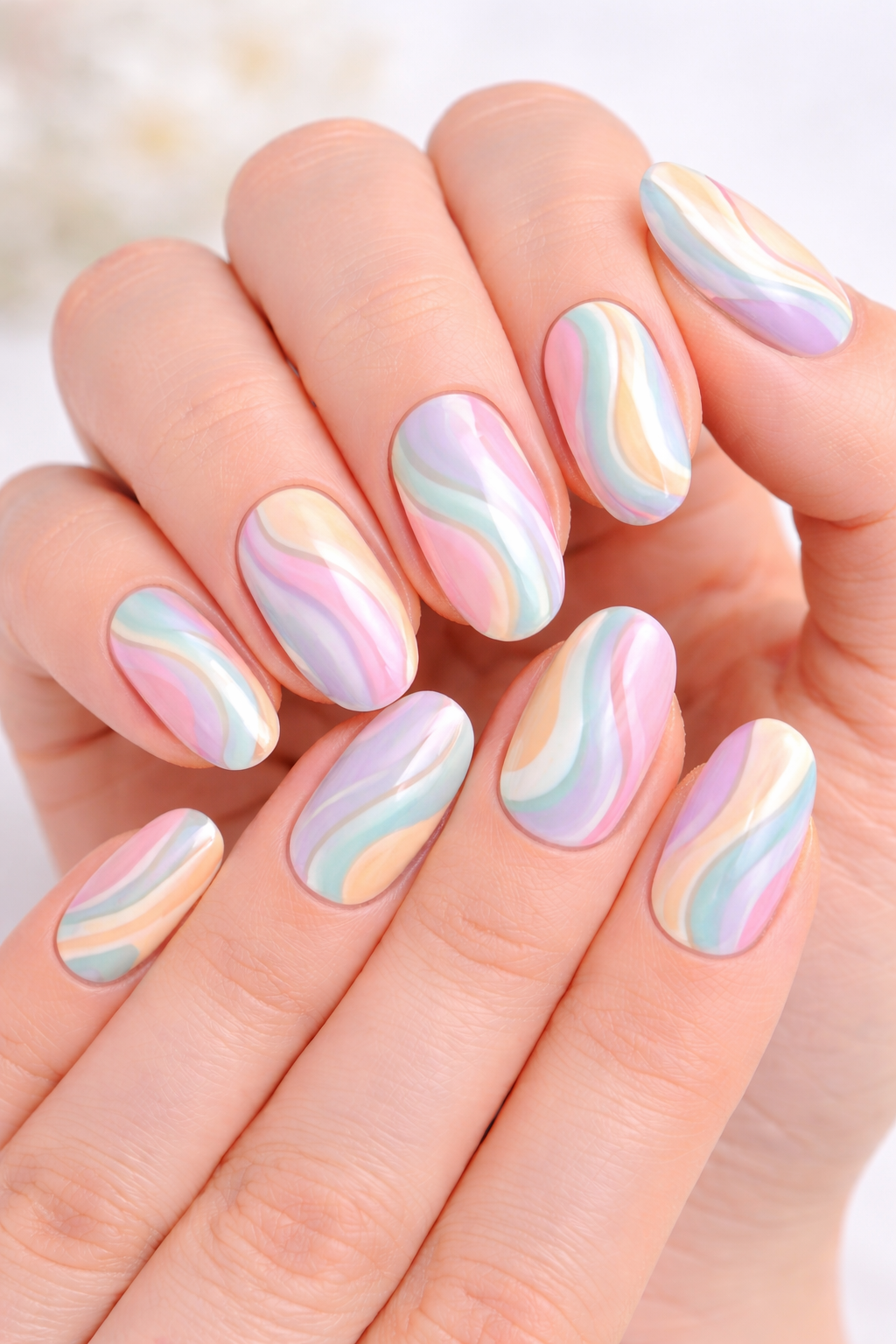
Photo via www.kliniksaglik.com
Nails are made of keratin, a dead protein, and they do not need oxygen from the air. The living part of the nail is the matrix under the cuticle, and it gets everything it needs from your blood supply.
This means a bare-nail break is not medically necessary. What helps is not air exposure — it is avoiding damage from harsh removal, over-filing and dehydration.
What Actually Damages Nails
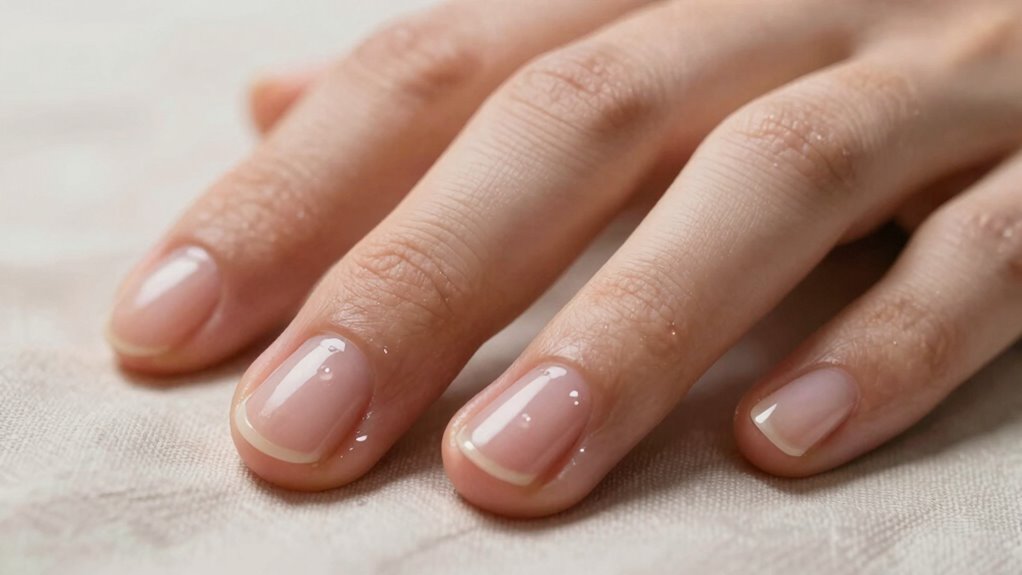
Image via nailcarehub.com
The biggest cause of nail damage is not polish — it is removal. Peeling gel or acrylic off takes layers of your natural nail with it, leaving the nail thin, weak and prone to splitting.
Other culprits include over-buffing, aggressive cuticle cutting, and using your nails as tools. A gentle removal and a good base coat protect your nails far better than a bare-nail break.
Polish Can Protect Your Nails

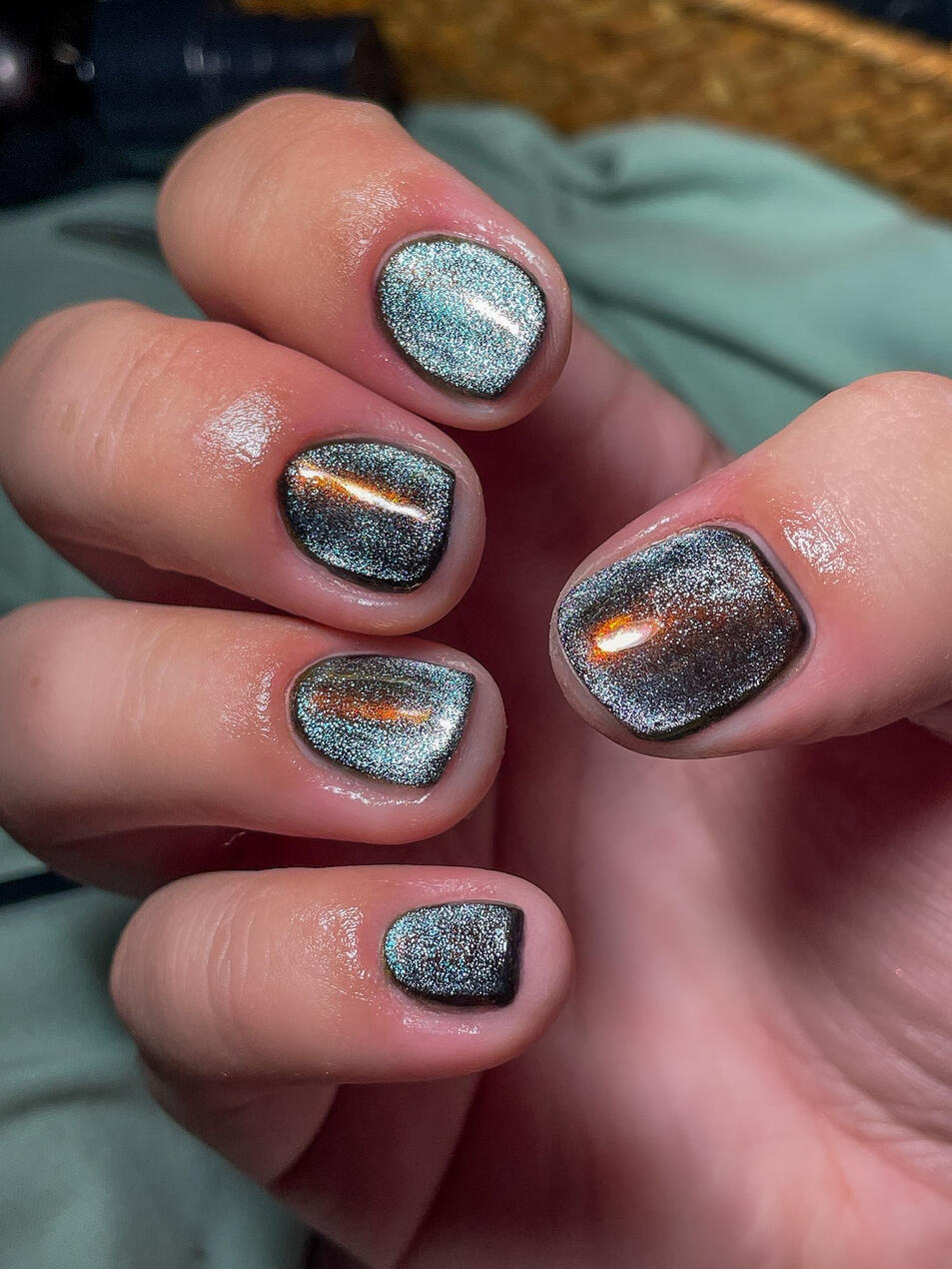
Picture via blog.dearsundays.com
A layer of polish actually protects the nail from water, which is the real enemy. Nails absorb water and swell, then shrink as they dry — and that cycle weakens them over time.
A base coat and polish seal the nail and reduce water absorption. This is why people who wear polish constantly often have stronger nails than people who go bare.
The Real Reason for a Break

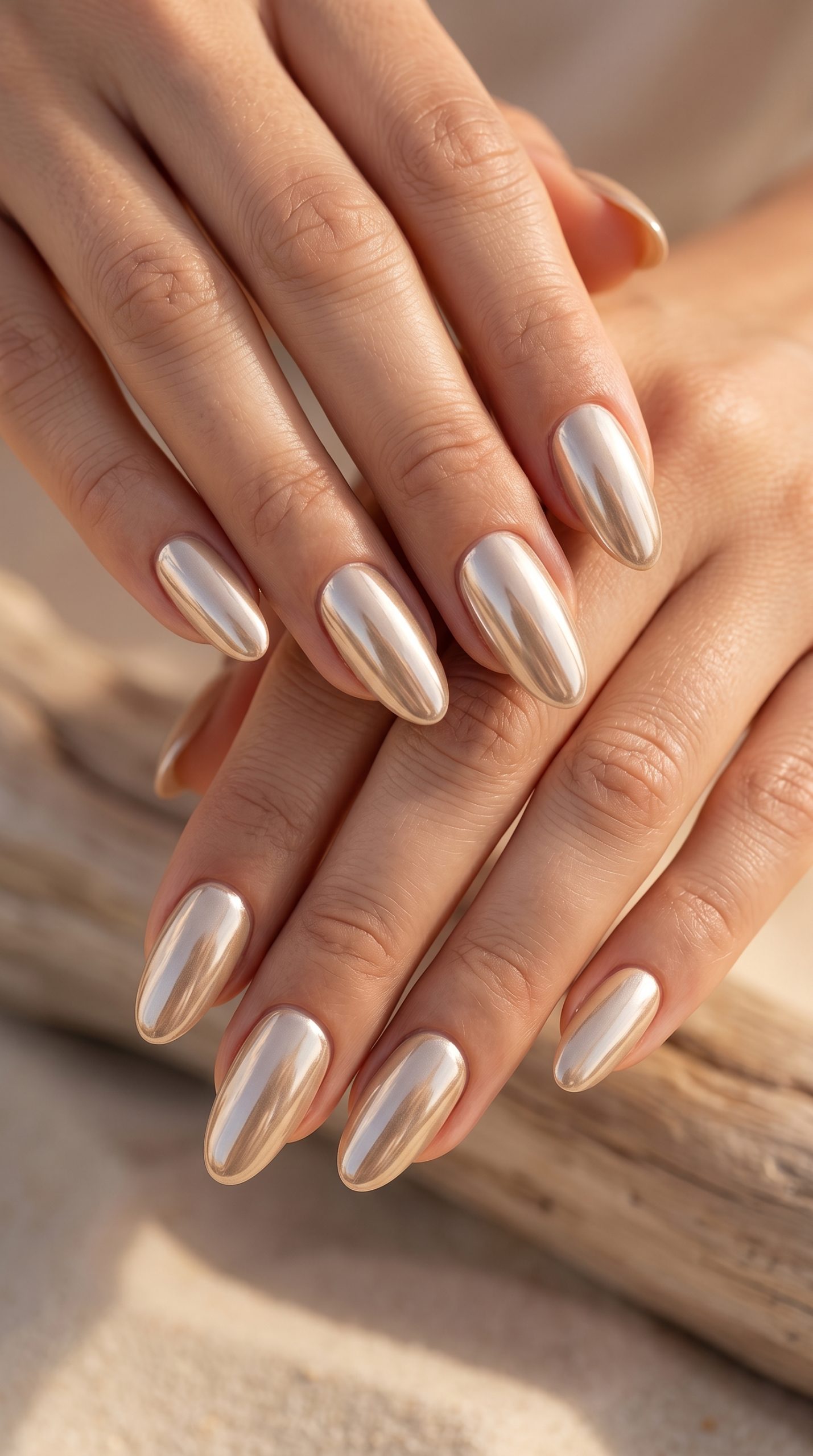
Inspiration via www.fashionbeautyrunway.ca
A break between sets helps because it gives you time to assess your nails. Without polish, you can see discoloration, lifting or thinning that a colour would hide — and you can treat it early.
A break of a few days is enough for most people. A month-long break is not necessary, and it will not make your nails stronger on its own.
Cuticle Oil Is the Best Medicine

Photo via mavink.com
Cuticle oil is the single best thing you can do for nail health. It keeps the cuticle flexible, prevents hangnails, and stops the nail from drying out — which is the main cause of peeling and splitting.
Apply oil daily, and massage it into the cuticle and the nail. Jojoba oil is the best choice, since its molecules are small enough to penetrate the nail plate.
Water Is the Real Enemy
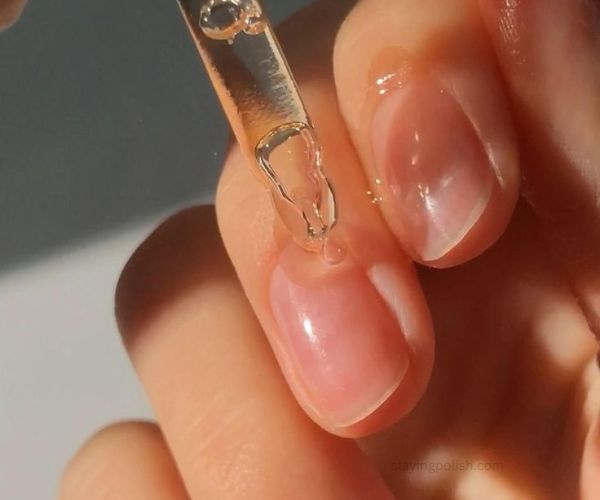
Image via slayingpolish.com
Nails absorb water like a sponge, swelling by up to twenty percent, then shrinking as they dry. That constant swelling and shrinking weakens the nail and causes peeling.
Wear gloves for washing dishes and cleaning, and avoid soaking your nails for long periods. A layer of polish helps, but gloves are the real protection.
Gel Is Not Inherently Bad

Picture via dazzledryaustralia.com.au
Gel polish itself does not damage nails. The damage comes from poor application — over-filing the natural nail before the gel goes on — and from peeling the gel off instead of soaking it.
A good tech files lightly, applies thin coats, and soaks the gel off properly. If your nails feel thin after gel, the problem is the technique, not the product.
Acrylics Need a Skilled Tech

Inspiration via www.znvera.com
Acrylics are safe when applied and removed correctly, but they demand a skilled tech. Over-filing the natural nail to make the acrylic stick is the most common cause of damage.
Choose a tech who files lightly, uses quality products, and soaks the acrylic off rather than prying it. If your nails hurt during application, something is wrong.
Signs Your Nails Need a Break
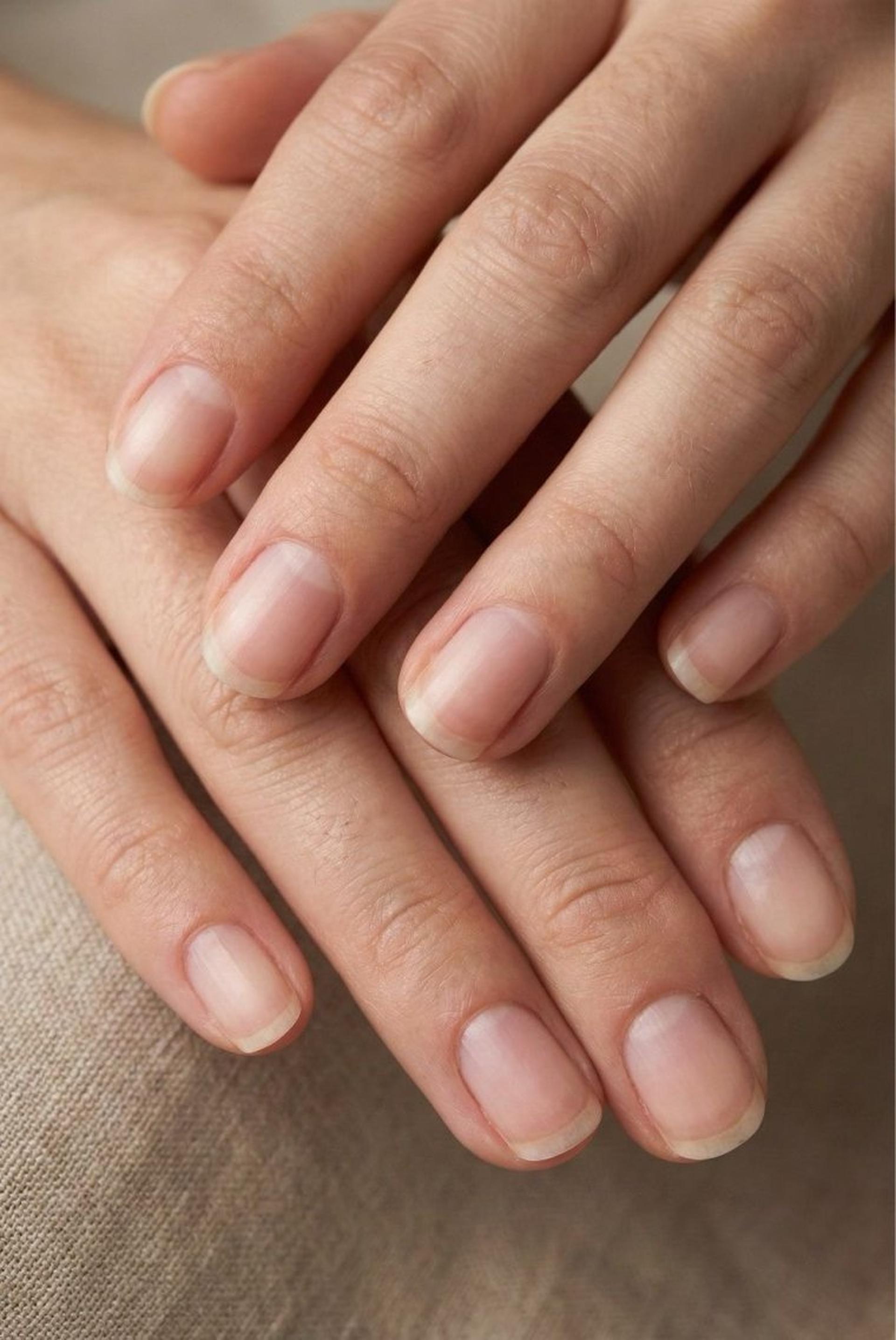
Photo via p2-14af2146.imageflux.jp
Take a break if you notice persistent discoloration, white spots that do not grow out, lifting at the free edge, or pain around the nail. These are signs of damage or infection, not just dryness.
A break of a week or two, with daily oil and gentle care, is usually enough. If the problem persists, see a dermatologist — do not just cover it with polish.
How to Keep Nails Strong
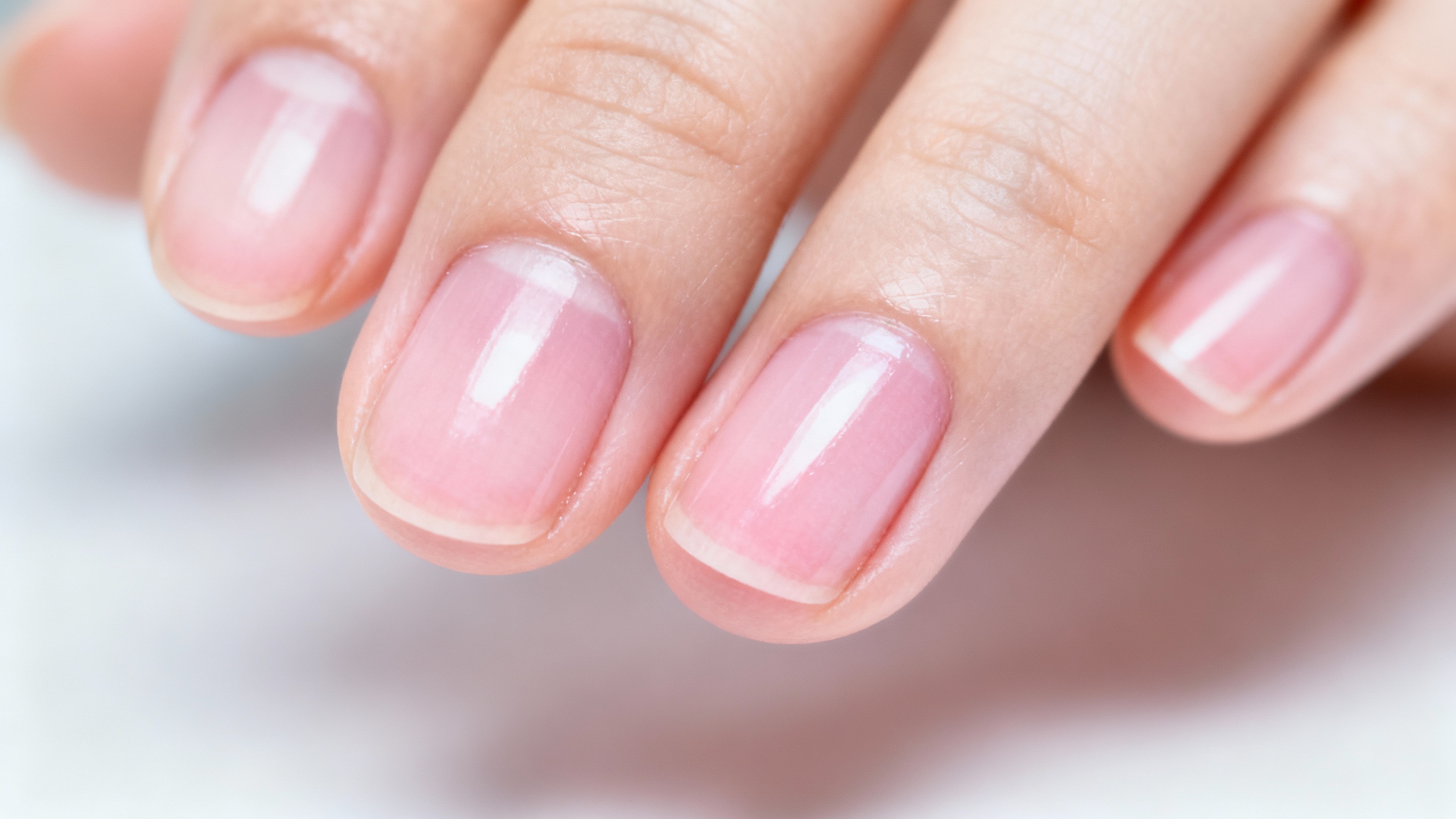
Image via www.fingerprinting.co
Strong nails come from a routine, not a product: a base coat under every manicure, cuticle oil daily, gloves for wet work, and gentle removal every time.
Eat well, stay hydrated, and be patient — nails grow about three millimetres a month, so it takes three to six months to replace a damaged nail completely.
Final Thoughts
The answer to the question is no, nails do not breathe — but the question itself is worth asking, because it points to something real. Nails do get dry, they do get weak, and they do need care between manicures. The fix is not a bare-nail month. It is better prep, better removal, and daily oil.
- Never peel gel or acrylic off — it takes layers of your natural nail with it.
- Use cuticle oil daily; it is the single best thing you can do for nail health.
- Take a few days between sets if your nails feel thin or sore.
- See a dermatologist if you notice persistent discoloration, lifting or pain.
Your nails do not need to breathe — but they do need a break, good oil, and a little respect between sets.