TPO Gel Polish Ban Explained: What It Means for Your Nails

If your nail tech has mentioned TPO lately, here is what is going on: TPO — trimethylbenzoyl diphenylphosphine oxide — is the photoinitiator that makes gel polish cure under a lamp, and the European Union banned it from cosmetics in 2025. The ban has salons, brands, and clients asking the same questions: is my gel polish safe, what changes, and what comes next. The short answer is that the ban is about long-term regulatory safety, not an emergency, and TPO-free alternatives already exist. For keeping your nails healthy through any product change, how to grow nails fast and stronger has the care guide.
What follows is a plain-language guide to what TPO is, why regulators acted, what the timelines are in the EU and the UK, and what to ask for at your next appointment. The facts here reflect the public regulatory position as of late 2026; rules can change, so check your local salon or regulator for the latest.
What Is TPO?
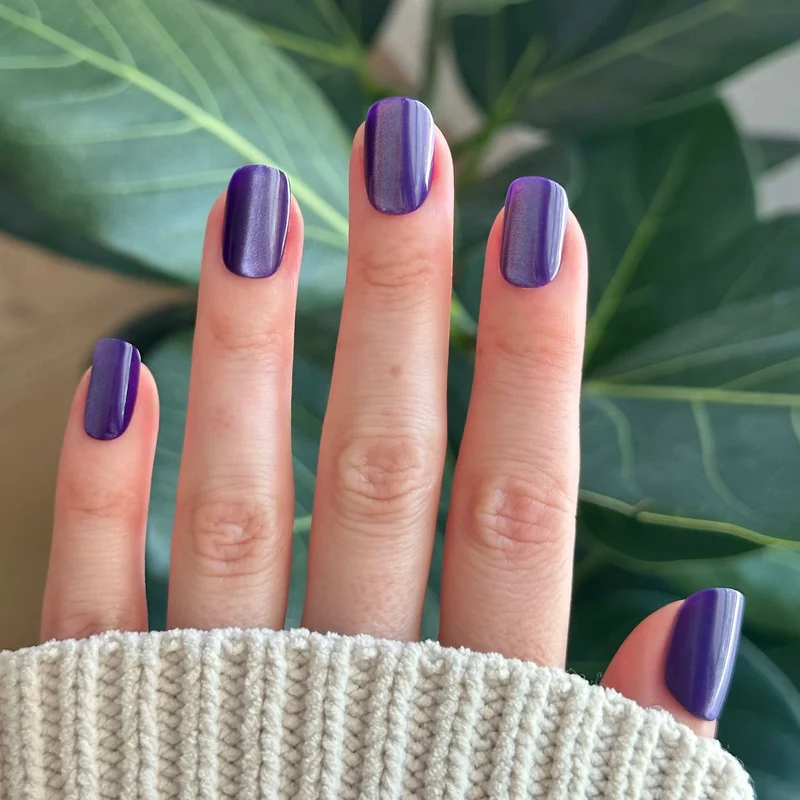
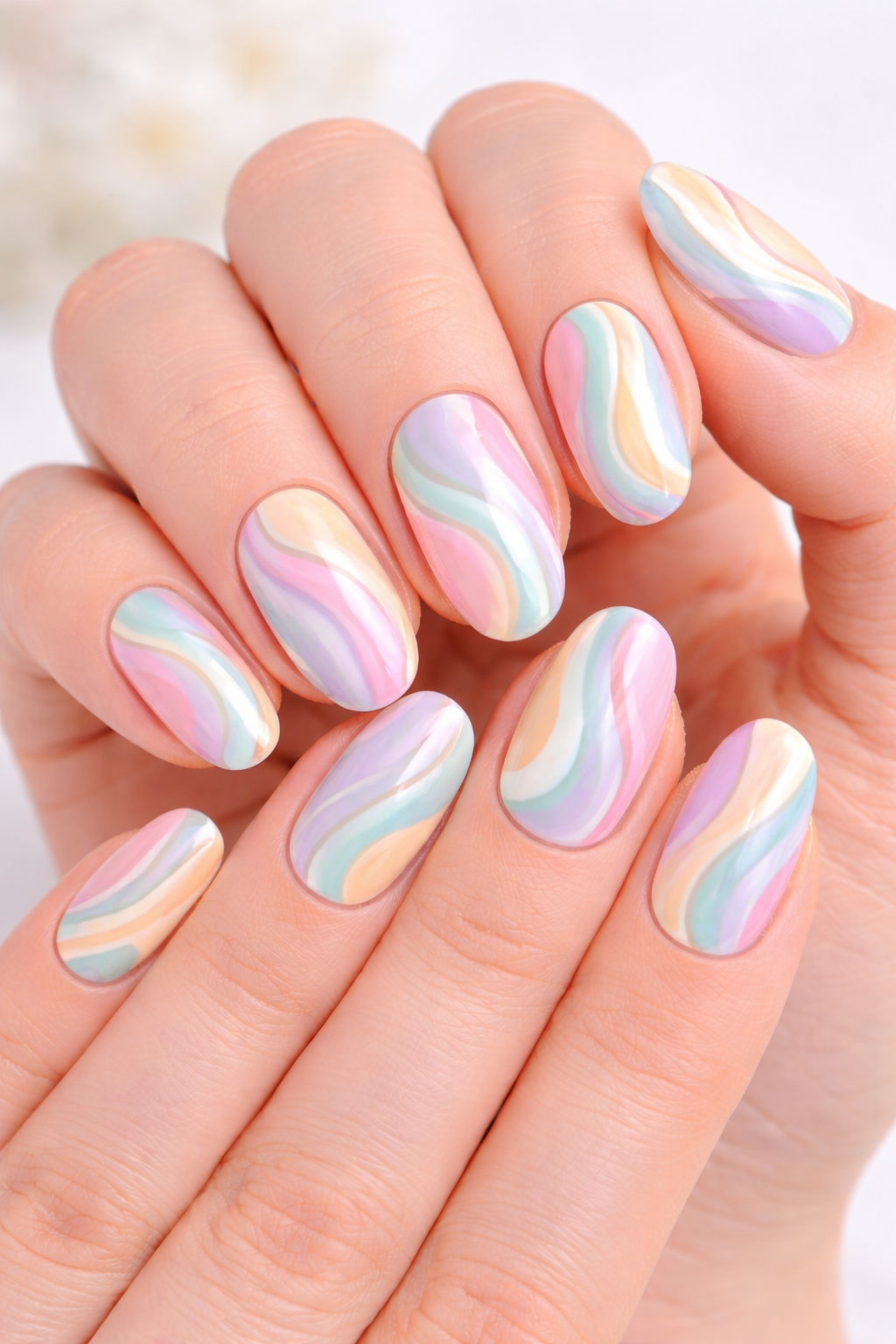
Photo via oliveandjune.com
TPO is a photoinitiator: the ingredient in gel polish that reacts to UV or LED light and hardens the polish into a durable coating. Without a photoinitiator, gel polish would stay wet. TPO has been widely used because it cures quickly and works well in clear and light-colored gels. It is one of several photoinitiators in use, and it is not the only way to cure gel polish.
The EU Ban: What Changed
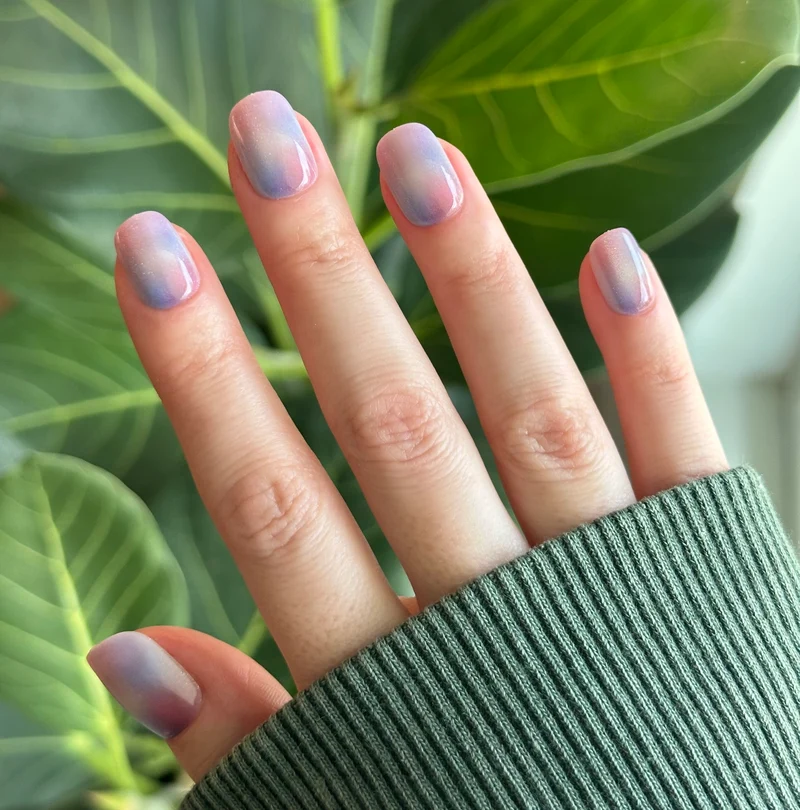
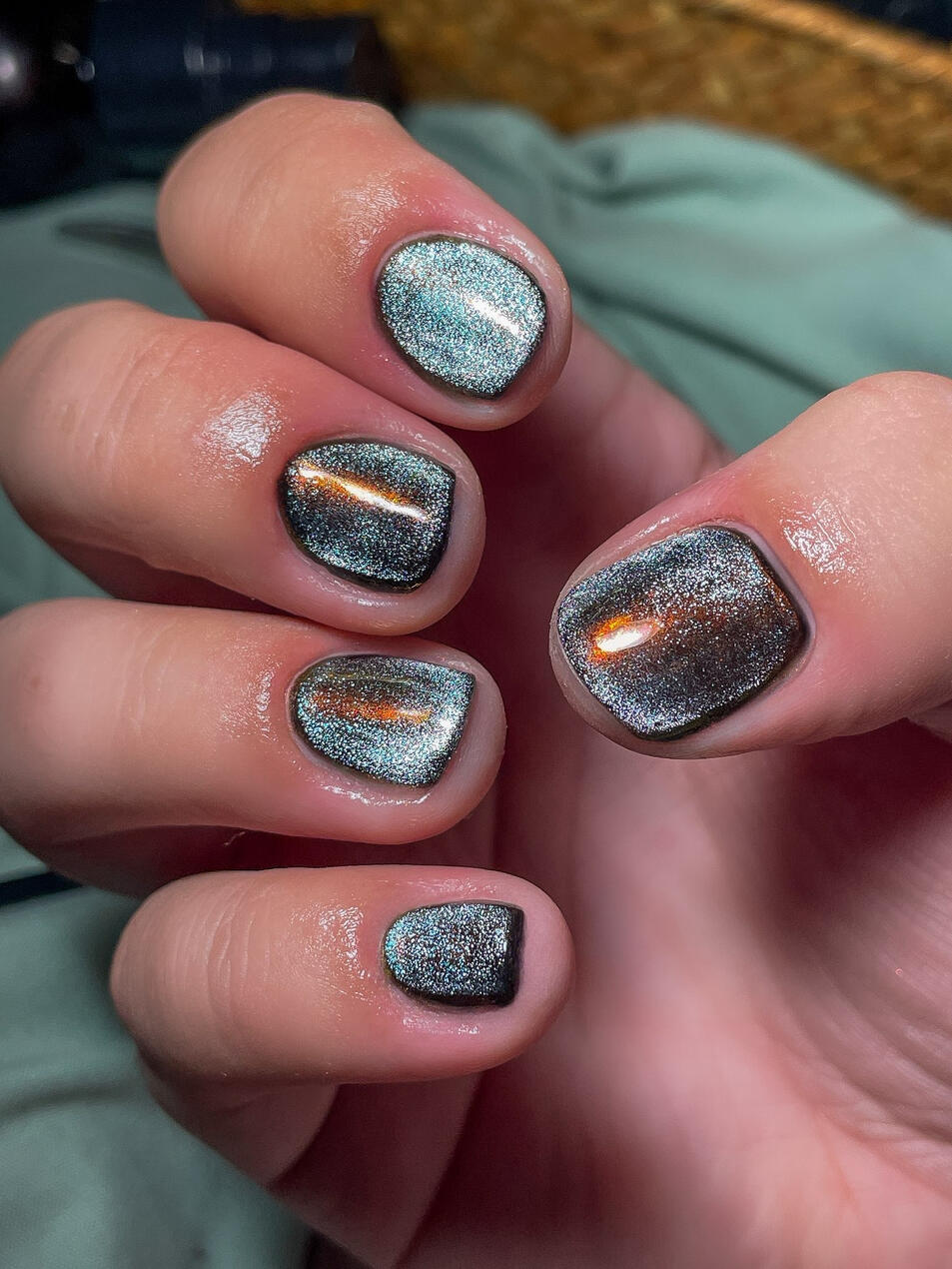
Image via oliveandjune.com
The European Union banned TPO in cosmetics through Regulation (EU) 2025/877, with the ban taking effect from 1 September 2025. From that date, cosmetic products containing TPO may not be placed on the EU market. The ban covers gel polishes and any other cosmetics that use TPO as a photoinitiator. Products already on shelves had to be removed or reformulated, and salons in the EU had to switch to TPO-free alternatives.
Why TPO Was Banned
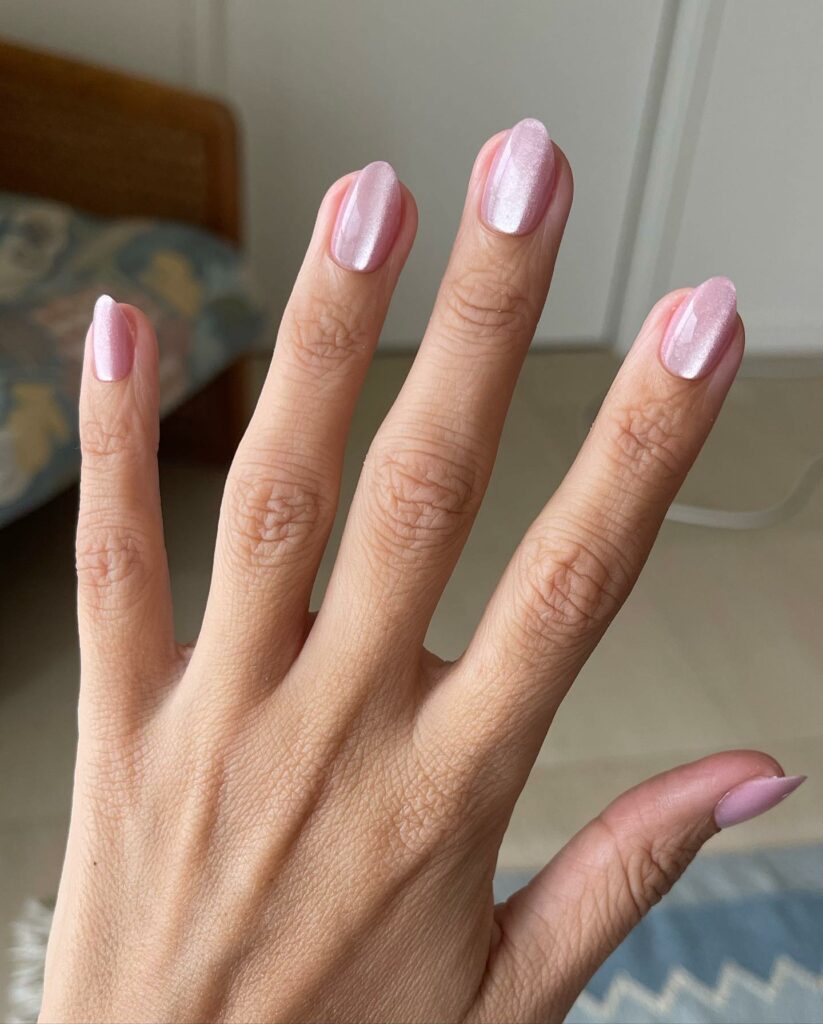
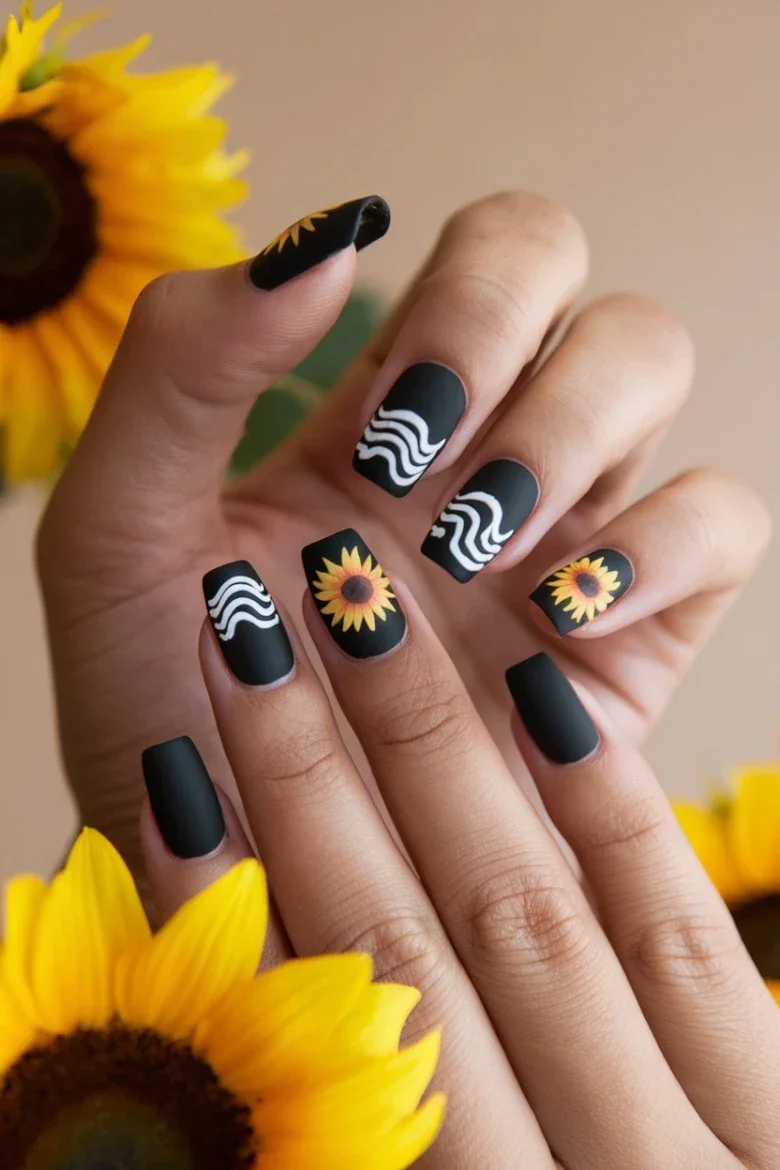
Picture via alexie.co
TPO was classified as a CMR substance — carcinogenic, mutagenic, or toxic for reproduction — in category 1B, meaning it is presumed to be toxic for reproduction based on animal studies. The classification is about long-term, repeated exposure, which is why regulators acted on the ingredient in professional and consumer cosmetics. The ban is a precautionary regulatory decision, not a finding that a single manicure causes harm. The distinction matters: regulators ban ingredients on the basis of hazard and exposure, not on the basis of a proven injury from normal use.
The UK Timeline
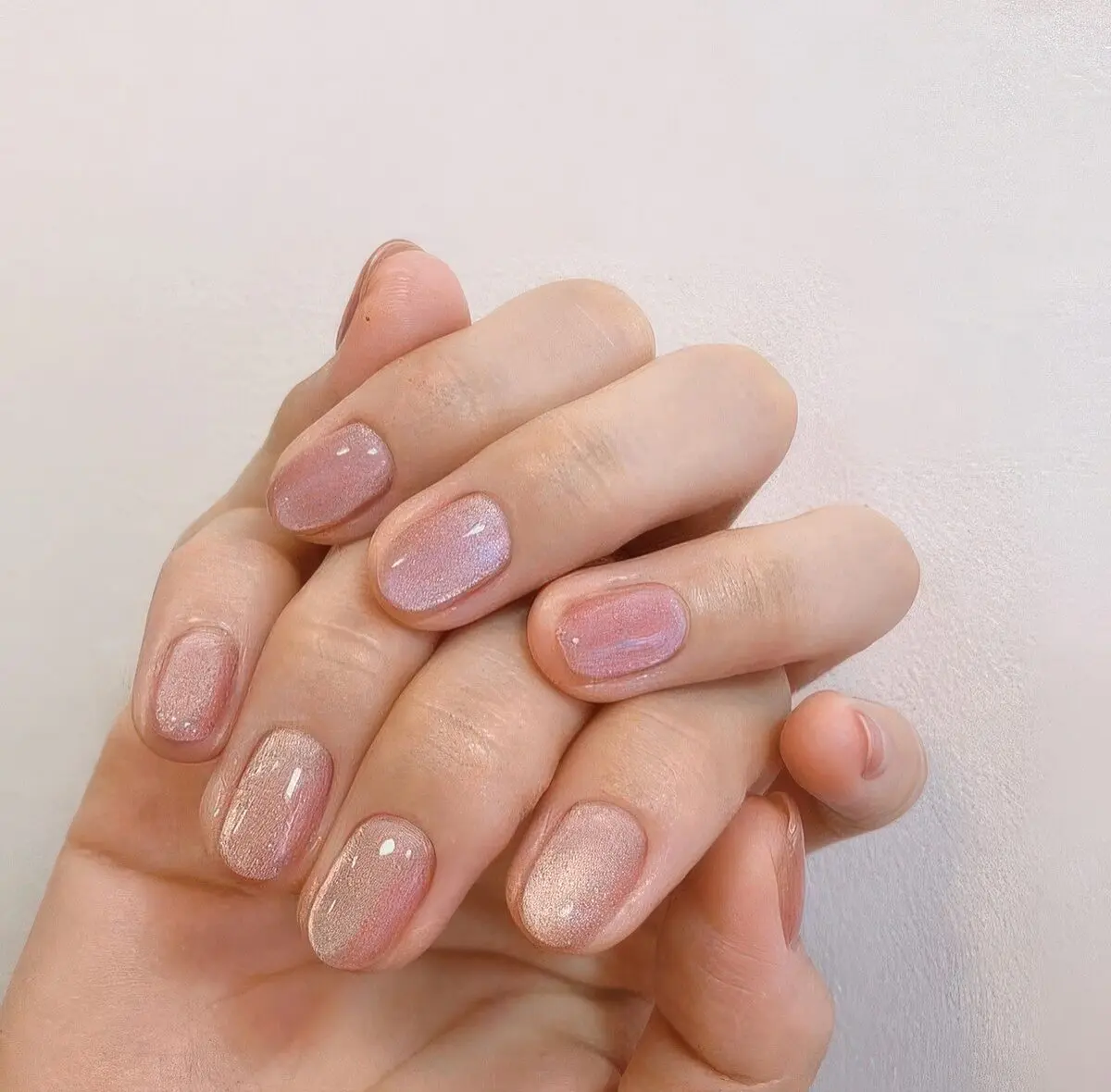
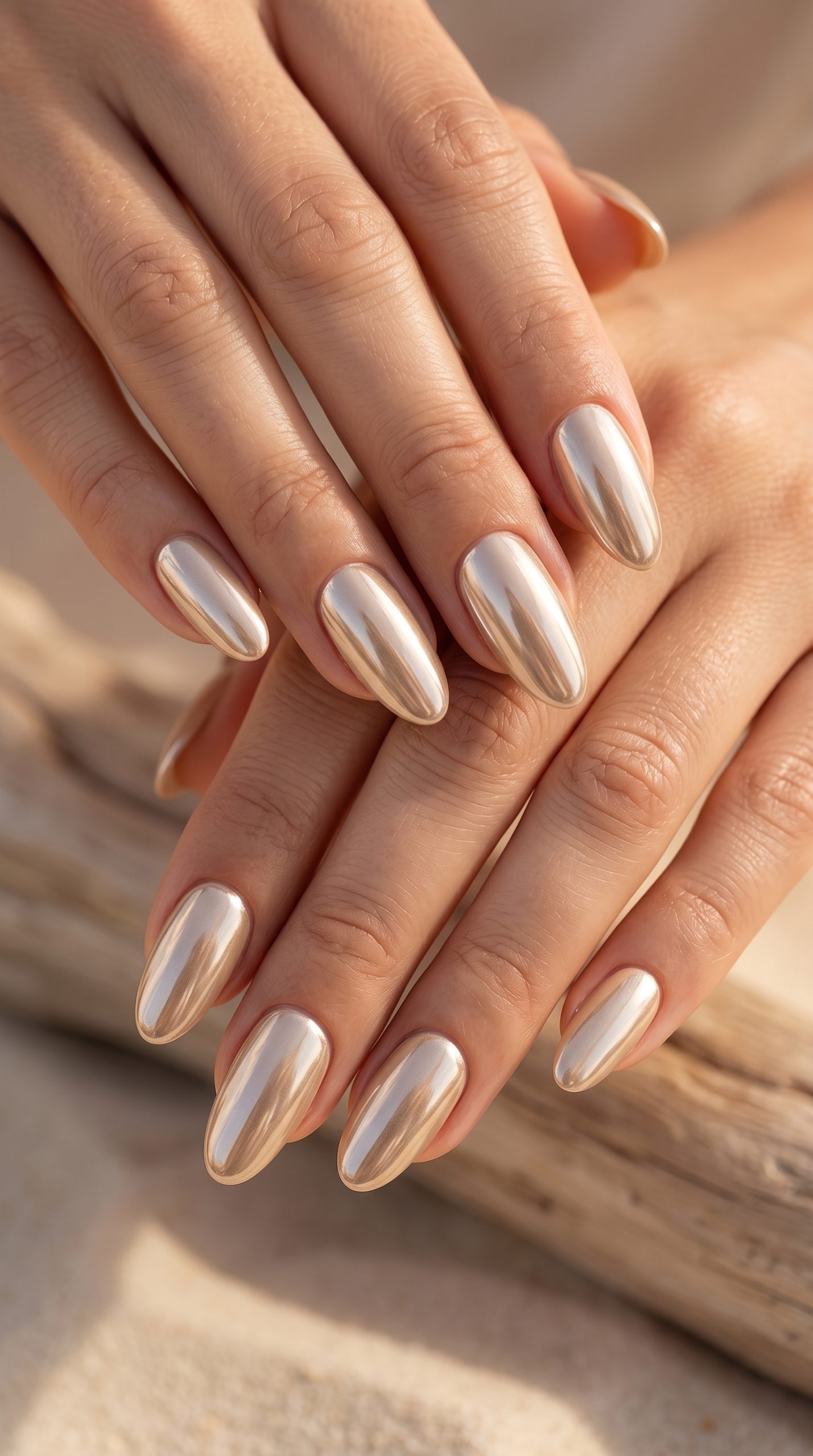
Inspiration via styleoholic.com
The UK has followed a different timeline from the EU. Restrictions on new sales of TPO-containing products began from 15 August 2026, and salons were given until February 2027 to use up existing stock. The staggered timeline is designed to let salons and brands transition without wasting product, and it means the practical change for clients arrives gradually rather than all at once. If you are in the UK, your salon should already be moving to TPO-free gels.
What It Means for Your Salon
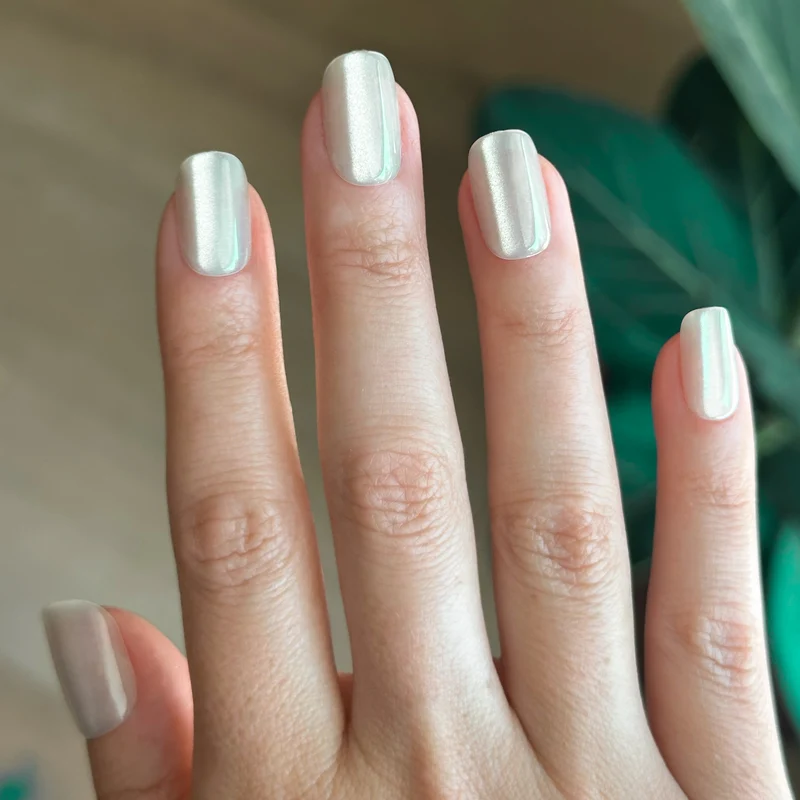
Photo via oliveandjune.com
For salons, the ban means reformulating or replacing gel products, retraining staff on new curing times, and updating client information. TPO-free gels can cure slightly differently — some need a longer lamp time, and some behave differently in clear or light colors. The change is a product swap, not a service change: the manicure itself looks and feels the same. If your salon has not mentioned the switch, it is worth asking what they are using now. For the finishes that pair with any gel, fall chrome nail colors and stunning French tip nails show what the new products can do.
TPO-Free Alternatives
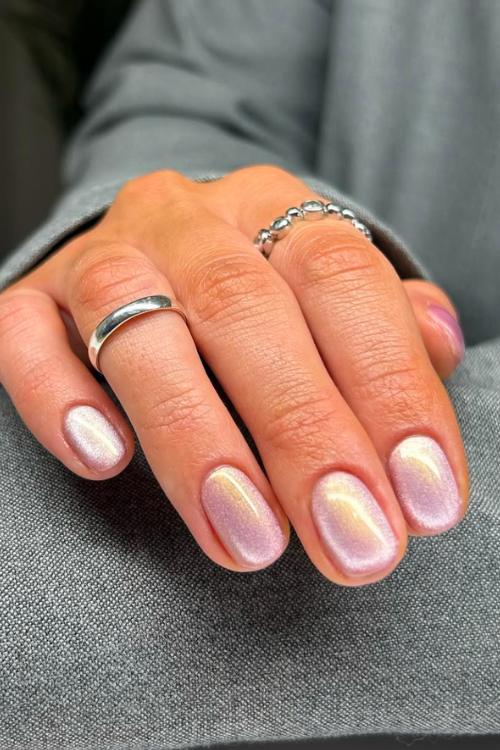
Image via yourgirlknows.com
The alternatives are TPO-free gel polishes, which use different photoinitiators, and regular nail polish, which needs no lamp at all. Most major brands have released TPO-free lines, and the performance is close to the originals — the main differences are curing time and behavior in very light colors. If you are sensitive to gel products generally, regular polish is the simplest alternative. For the sheer, glassy finishes that work beautifully with regular polish, trendy milky white nails is a useful starting point, and for seasonal color, cute fall nail designs has the full range.
What to Ask Your Tech
Picture via oliveandjune.com
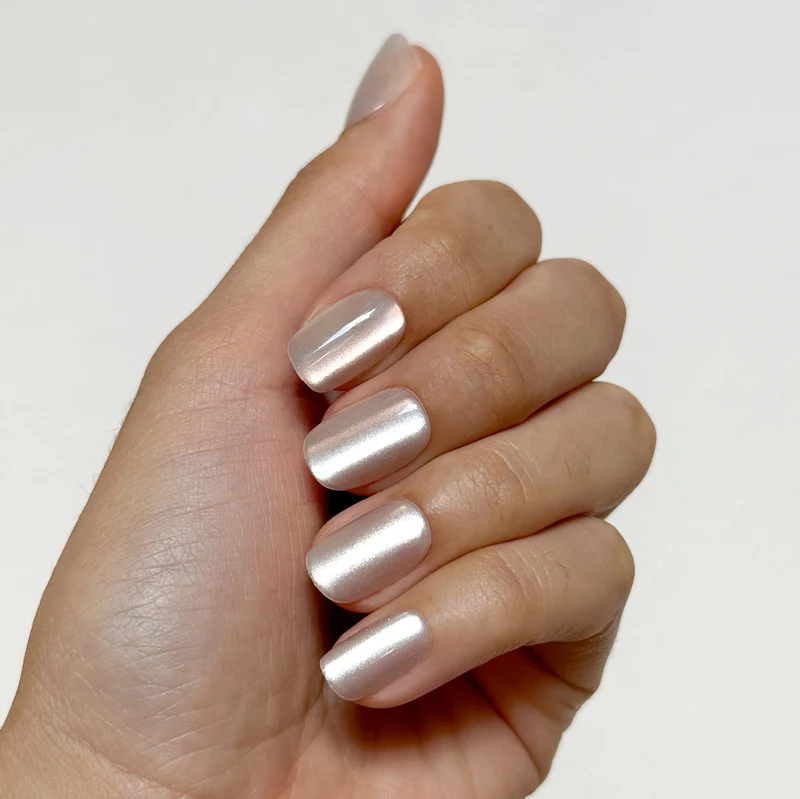
Ask your nail tech three questions: are your gels TPO-free, what photoinitiator do they use instead, and has the curing time changed. A good tech will know the answers and will have already made the switch. If you are booking a new salon, ask before the appointment so there are no surprises. The ban does not mean gel manicures are unsafe — it means the industry is moving to a safer ingredient, and your manicure will look the same. For the metallic finishes that work with any gel, radiant gold nails and glamorous silver nails have the warmest and coolest pairings, and for styling any manicure, how to look elegant every day has the wardrobe side.
Final Thoughts
The TPO ban is a regulatory change, not a reason to stop getting gel manicures: the EU acted on a hazard classification, the UK is following on a staggered timeline, and TPO-free alternatives already exist that perform nearly identically. The practical change for clients is small — ask your tech what they are using, expect the same look and feel, and carry on. The industry has made this kind of ingredient swap before, and it will make it again.
- Ask your salon whether their gels are TPO-free before your next appointment.
- Expect slightly different curing times with TPO-free products.
- Regular polish is the simplest alternative if you want to skip gel entirely.
- Check your local regulator for the latest rules; timelines differ by country.
A safer ingredient, the same manicure — the TPO ban is a change worth knowing about, not worrying about.