
How to Clear Hormonal Acne and Keep It From Coming Back

There is a particular kind of frustration that comes with breakouts that refuse to respond to anything. The cleansers are gentle, the spot treatments are diligent, and still the same deep, tender bumps appear along the jawline every month, right on schedule. That pattern is the clue. When acne keeps returning to the same places at the same time, the cause is usually not on the surface of the skin at all — it is the hormones underneath, nudging oil glands into overdrive and turning a normal pore into a painful, long-lasting blemish.
Clearing hormonal acne therefore takes an inside-out approach. No single serum can do the job alone, and no diet change will clear congestion overnight. What works is a combination of six things: recognising the hormonal pattern, eating in a way that steadies blood sugar and inflammation, protecting sleep and managing stress, a gentle morning routine, a targeted evening routine, and knowing when professional help is the smartest move. Give the plan time — skin cycles take weeks — and the breakouts that once felt inevitable start to lose their grip.
1. Learn the Signs of Hormonal Acne First
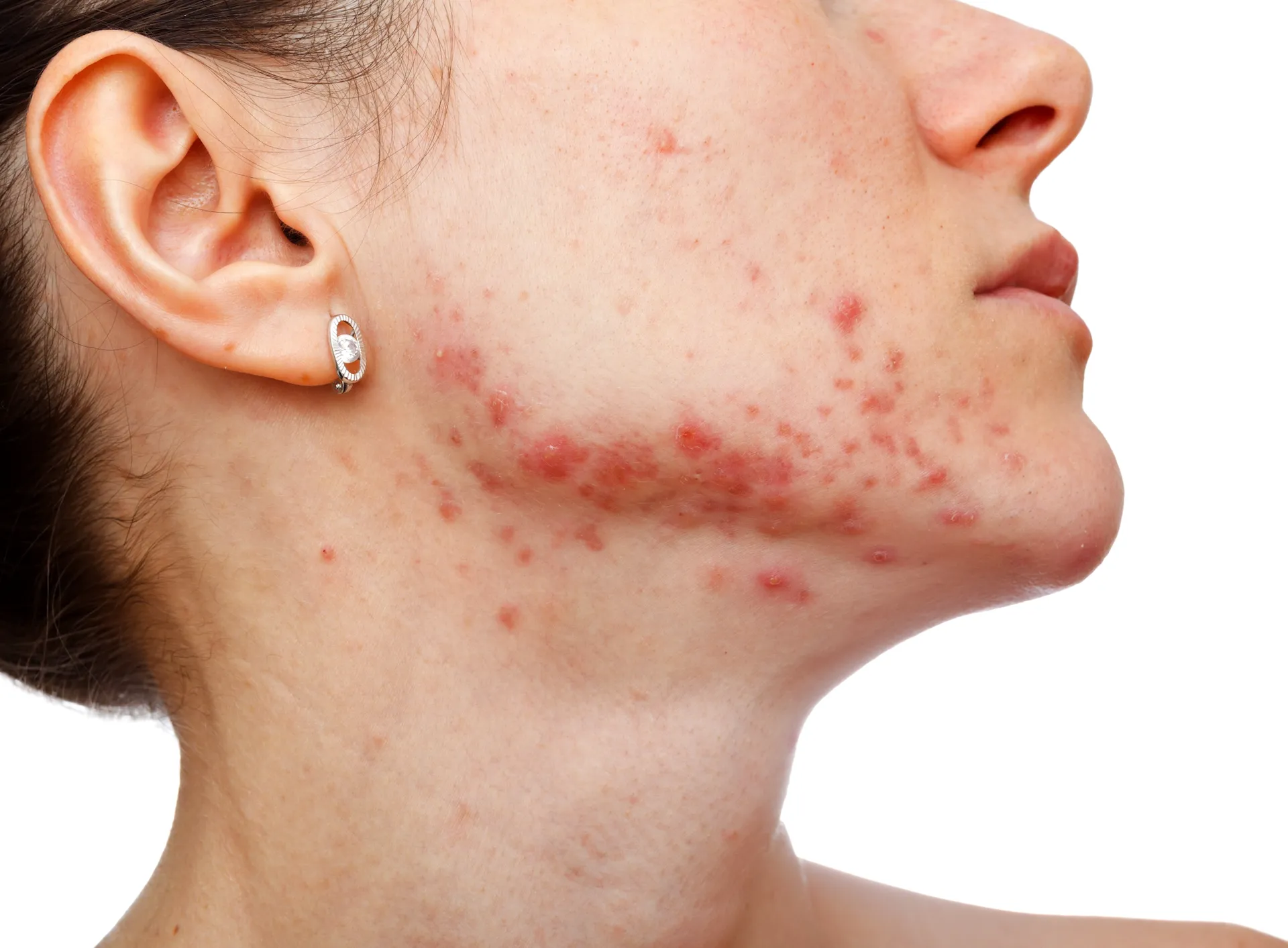
Photo via Premier Dermatology
Hormonal acne has a signature that sets it apart from ordinary breakouts. It concentrates on the lower third of the face — the chin, jawline, lower cheeks and sometimes the neck — because the oil glands in that zone are the most sensitive to androgen hormones like testosterone. The blemishes themselves tend to be deep, tender cysts or nodules that sit under the skin for days or weeks, often without ever forming a head, rather than the small surface whiteheads that come and go quickly.
Timing is the second giveaway. Breakouts that flare in the week before a period, during times of major hormonal change, or alongside a stressful stretch are following an internal rhythm, not a skincare mistake. Tracking flares against the calendar for two or three months makes the pattern visible, and that clarity matters: it stops the cycle of blaming the wrong product and switching routines every week, which only irritates the skin further. Once the hormonal picture is clear, the rest of the plan can be aimed at the real cause.
2. Eat to Steady Your Hormones

Photo via Eat Healthy 365
Food influences hormones more directly than most people expect, and the connection runs through blood sugar. Meals built on refined carbohydrates and added sugar send blood glucose climbing fast, and the surge of insulin that follows can push the ovaries to produce more testosterone — exactly the androgen signal that drives hormonal breakouts. Swapping white bread, sugary cereals and pastries for slow-burning foods like oats, lentils, sweet potatoes and whole grains keeps that insulin curve flatter, and the skin often follows.
The other half of the plate is inflammation. Omega-3 fats from salmon, walnuts, chia and flaxseed help calm the inflammatory response that turns a clogged pore into a red, painful cyst, while colourful fruits and vegetables add antioxidants that support the same goal. Dairy and sugar are the two foods most commonly linked to flares, so a short trial of cutting one back at a time — rather than overhauling everything at once — is the honest way to find out whether either is a personal trigger. Spearmint tea is also worth a mention: two cups a day has shown mild anti-androgen effects in small studies, and it is an easy habit to keep.
3. Protect Your Sleep and Lower Stress

Photo via Professional Beauty
Stress is not a vague contributor to hormonal acne — it has a direct chemical route. Under sustained pressure the adrenal glands release cortisol, and elevated cortisol disrupts the wider endocrine system, encourages inflammation and signals the oil glands to produce more sebum. It is why a brutal week at work so often shows up on the jawline a few days later. Sleep is part of the same loop: the body regulates hormones and repairs skin overnight, so consistently short or broken sleep leaves cortisol high and recovery unfinished.
The fix does not need to be elaborate. Seven to nine hours of sleep, a wind-down routine that keeps screens out of the last half hour, and ten to fifteen minutes a day of genuine decompression — a walk, gentle yoga, journaling, slow breathing — can lower the background stress load enough to matter. Hydration belongs here too: steady water intake supports skin elasticity and cellular function, and it is one of the simplest habits to actually keep. None of this clears a breakout on its own, but without it the skincare routine is working against a headwind.
You may also like: 20 Radiant Plus Size Brunch Outfits: Floral Dresses, Linen Layers and Soft Tailoring
4. Build a Gentle Morning Routine

Photo via Style Weekender
The morning routine has one job: protect the skin without stripping it. Start with a gentle, sulfate-free cleanser that leaves the skin feeling comfortable, not tight — over-cleansing backfires, because a stripped barrier signals the glands to produce even more oil. A vitamin C serum follows, offering antioxidant protection against the day‘s environmental damage and gradually brightening the dark marks that hormonal breakouts tend to leave behind.
Moisturiser is non-negotiable, even for oily skin. A lightweight, non-comedogenic gel or lotion keeps the barrier intact, and hydrated skin is far more resilient to the active treatments used at night. The final step is the one that matters most: broad-spectrum sunscreen of SPF 30 or higher, every single day. Many acne treatments increase sun sensitivity, and UV exposure darkens post-acne marks, making them linger for months longer than they need to. Sunscreen is what protects all the other work.
5. Use Your Evenings to Treat and Repair
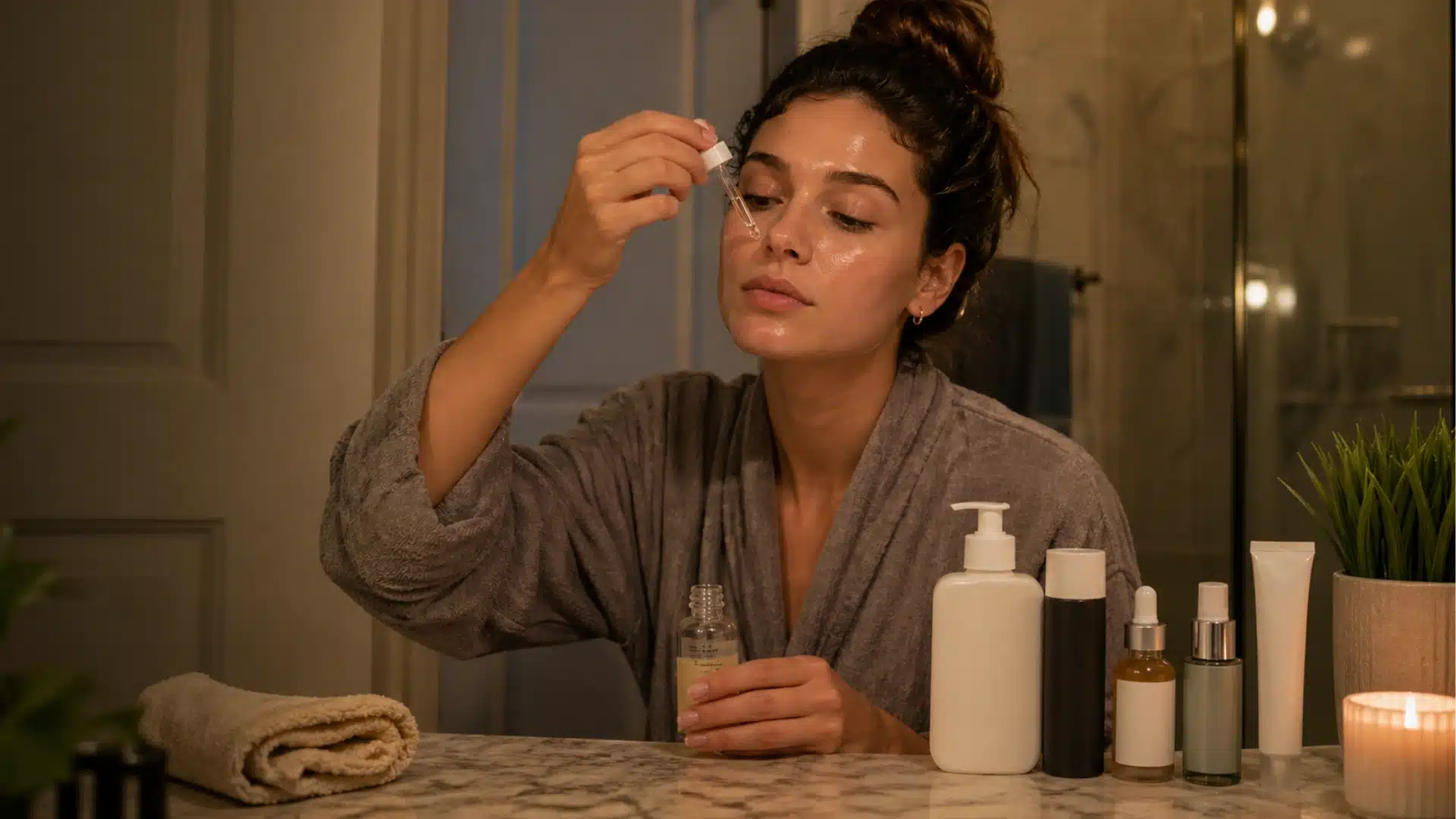
Photo via Beauty and Blog
Night is when the real treatment happens, and it starts with a proper cleanse. A double cleanse — an oil or balm massaged over dry skin to dissolve sunscreen, makeup and the day‘s sebum, followed by a gentle water-based cleanser — clears the way so the treatment step can actually reach the pores. Skipping this and layering actives over the day’s residue is one of the most common reasons evening routines underperform.
The treatment step itself works best on alternating nights, not all at once. One night, a leave-on exfoliant with 2% salicylic acid, which is oil-soluble and can work inside the pore to clear congestion; the next, a retinoid, which speeds cell turnover so dead cells are less likely to clog pores in the first place. Start low and slow — two or three nights a week, building up as the skin adapts — and always finish with a barrier-repairing moisturiser rich in ceramides or niacinamide. Patience is the ingredient that holds it together: retinoids and exfoliants need six to eight weeks before their effect is fairly judged.
6. Know When to See a Dermatologist
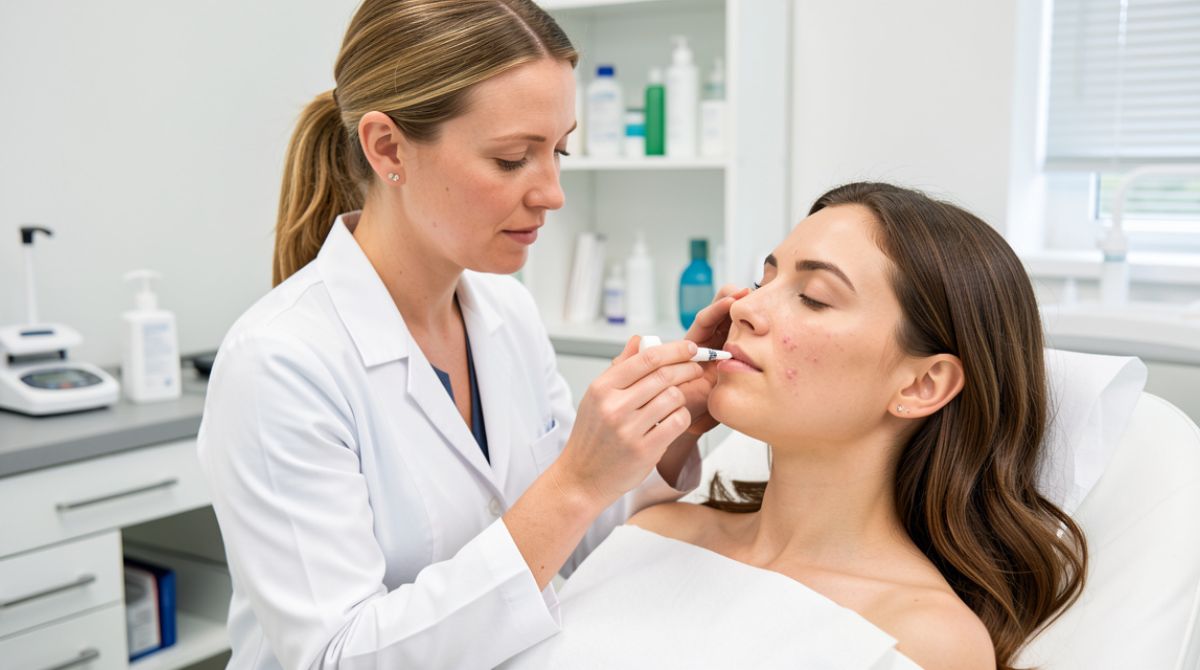
Photo via Black Rose
There is a point where home care has done all it can, and recognising it is not giving up — it is the smartest step in the whole plan. If three or four months of consistent diet, lifestyle and skincare changes have not meaningfully reduced the breakouts, or if the cysts are painful, scarring or spreading, a dermatologist can offer treatments that no over-the-counter product can match. A professional can also check for underlying conditions, such as PCOS, that may be driving the hormonal imbalance.
Prescription options are genuinely effective for hormonal acne. Spironolactone blocks androgen receptors on the oil glands and is one of the most reliable treatments for adult hormonal breakouts in women; prescription-strength tretinoin works far more powerfully than shop-bought retinol; and certain combination birth control pills are approved specifically to regulate the hormones behind acne. These are medical decisions with real trade-offs, which is exactly why they belong in a consultation rather than a shopping cart. The right prescription, combined with the habits above, is often what finally breaks the monthly cycle.
Final Thoughts
Hormonal acne is stubborn because its cause runs deeper than the skin’s surface, and that is also why the solution has to run deeper than a single product. The routines in this guide work as a system: food and sleep calm the hormonal drivers, the morning routine protects, the evening routine treats, and professional help is there when the system needs reinforcement. No single piece carries the whole result, and no piece is wasted.
Give the plan a full skin cycle — at least eight to twelve weeks — before judging it, and keep the routine steady rather than chasing each new flare with a new product. Clear skin after hormonal acne rarely arrives as a sudden transformation; it arrives as fewer breakouts, calmer flares and marks that fade faster, month by month. That slow, steady progress is the real sign the plan is working.